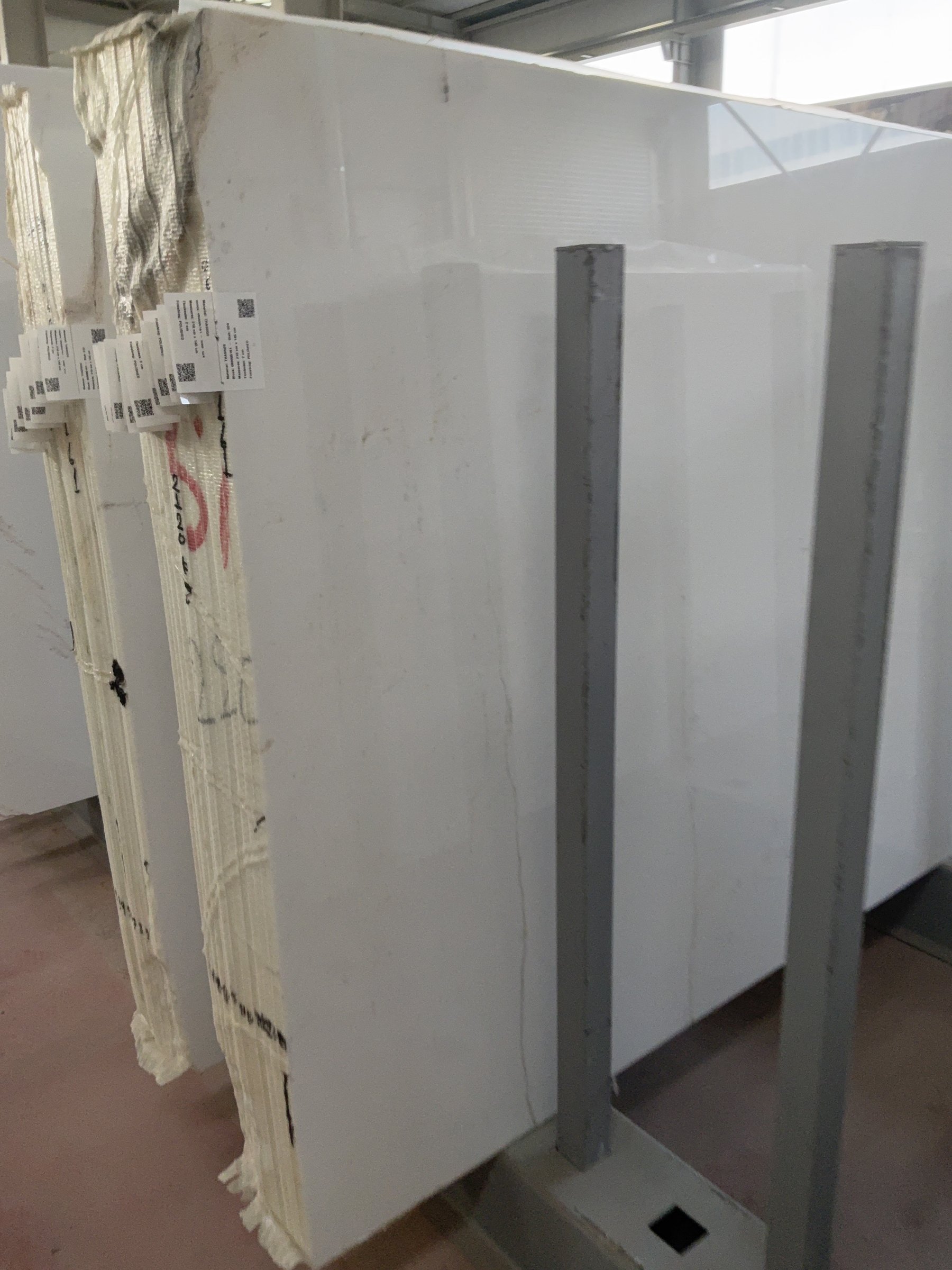
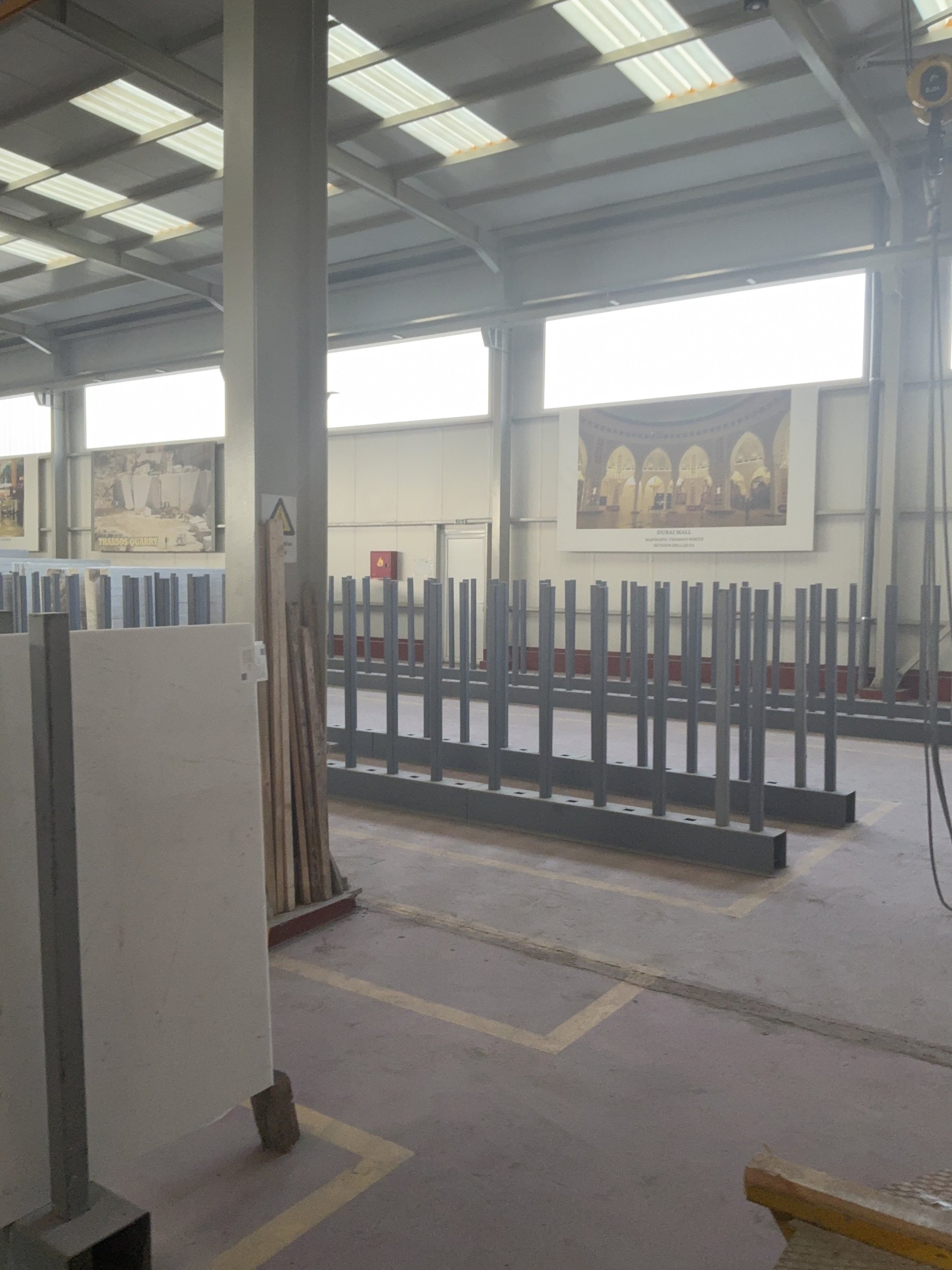
Marble comes in many thicknesses, and choosing the wrong one costs money twice: once in stone, and again in fixings or replacements. On the Yadgar-e-Fatah monument we supplied 40,000 sq ft of 3 cm marble. Here is why 3 cm is so widely used.
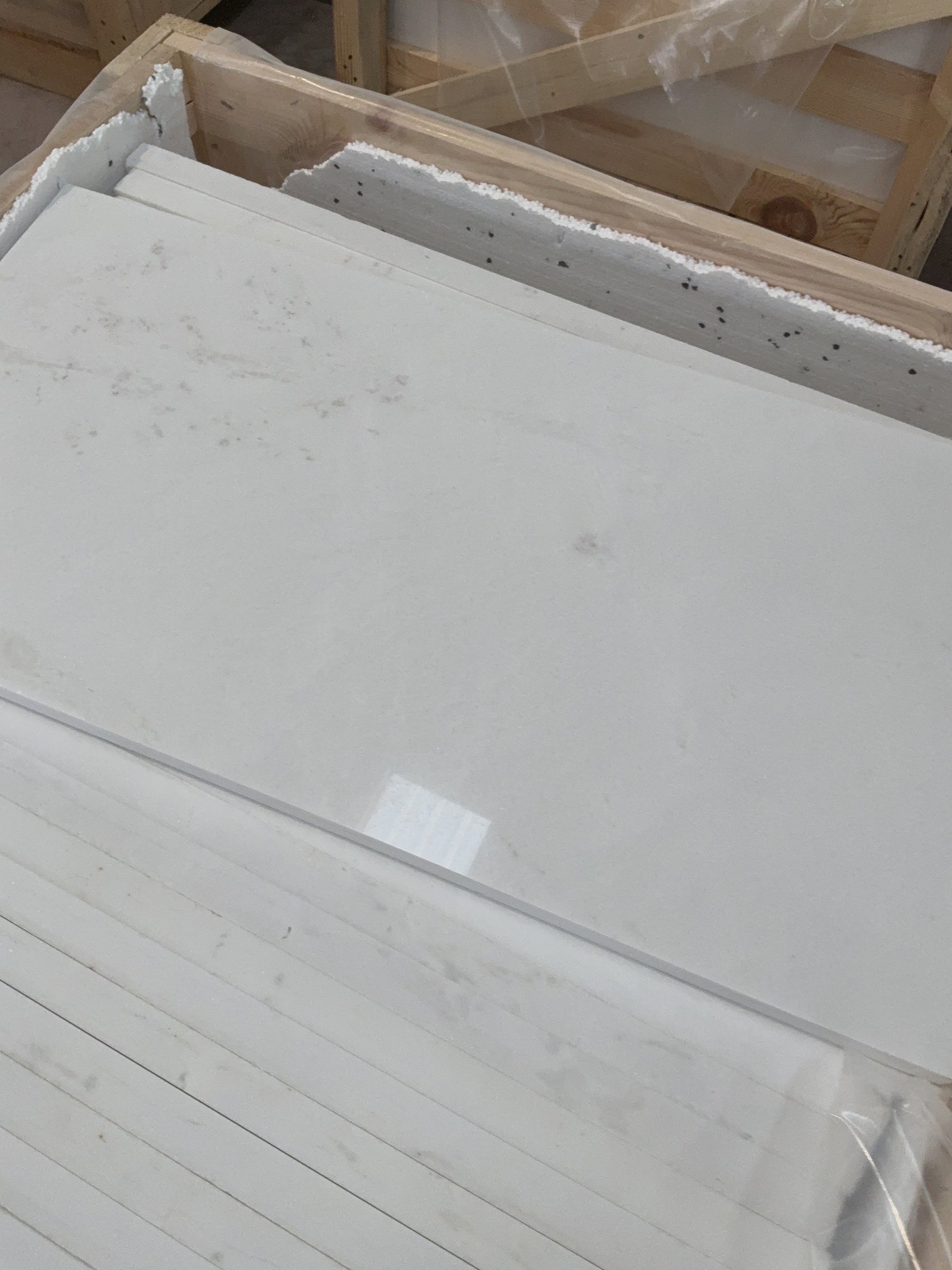
The balance: strength against weight
Thicker stone is stronger but heavier. Weight adds load to the structure, makes handling harder, and increases freight cost. Thinner stone is lighter but more fragile. Around 3 cm is a common compromise for exterior cladding.
What 3 cm helps with
- Handling. Large slabs can be moved and lifted on site with less breakage.
- Wind and movement. Enough thickness to cope with the loads and thermal movement a façade sees.
- Fixing options. Gives installers room for the fixing details the engineer specifies.
When to go thinner or thicker
Interior wall cladding is often thinner, because loads are lower. Floors, steps and heavy-traffic areas may need more. Your structural engineer and stone supplier should confirm thickness for each use.
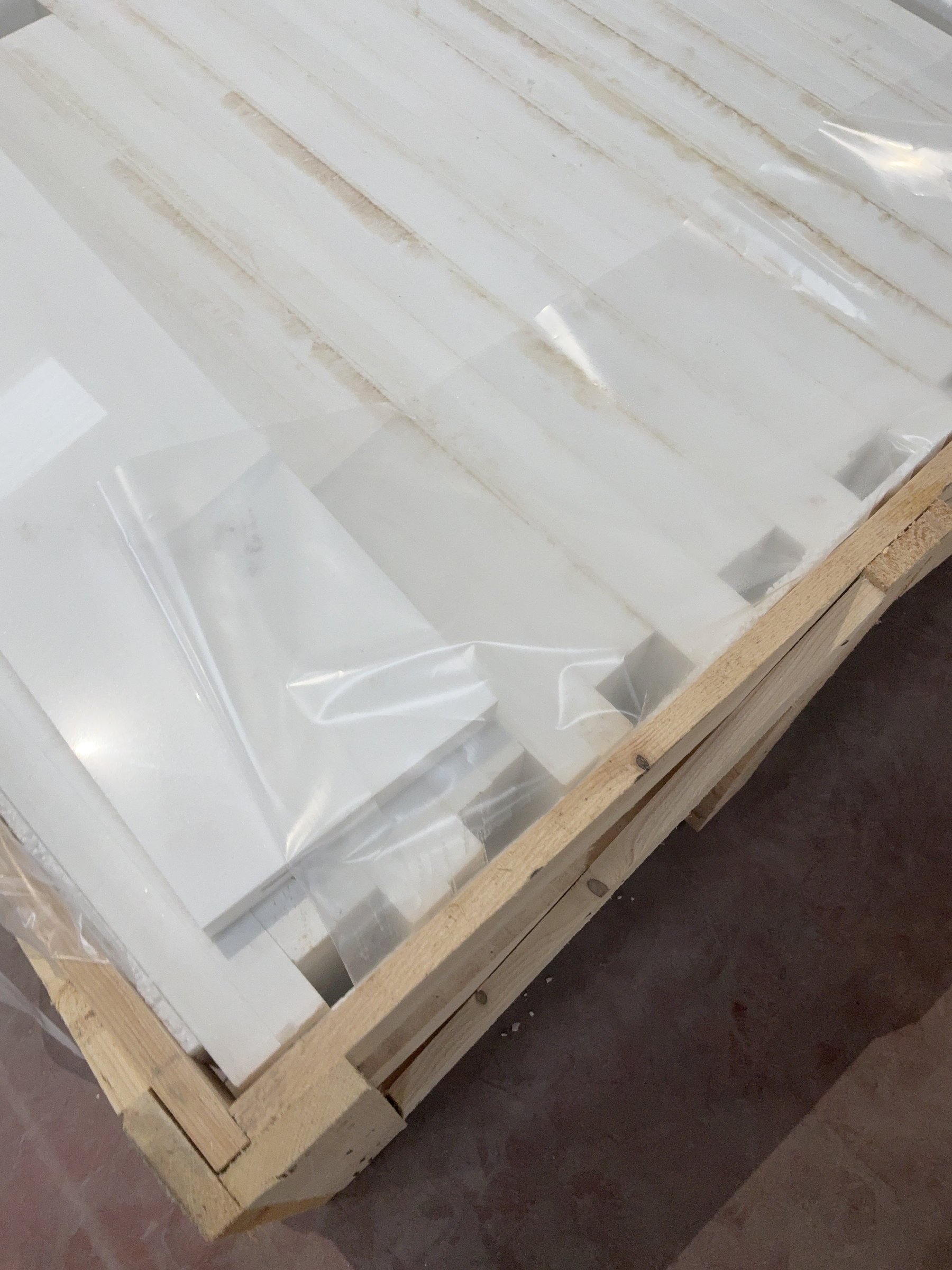
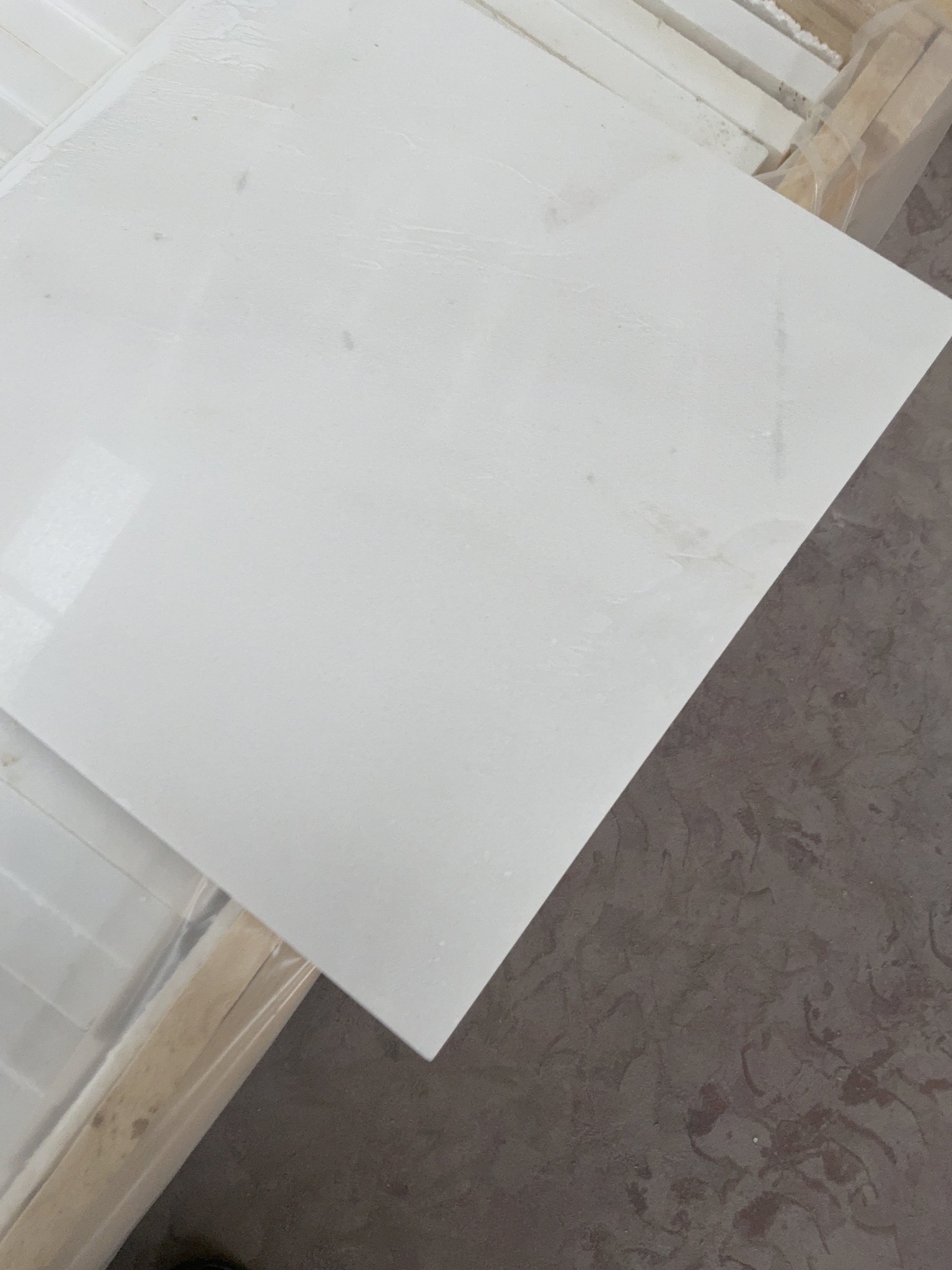
Thickness is only one part of the spec
The specification should also cover finish (polished, honed or textured), tolerances, fixing method and packing. A good supplier writes all of this down before ordering.
Prosvogue supplies cut-to-size marble and marble slabs. Talk to Prosvogue at our contact page or info@prosvogue.com.
Frequently asked questions
Is 3 cm marble good for exterior walls?
It is a common specification for exterior cladding. Final thickness should be confirmed by the engineer for the building and the fixing system.
Does thicker marble always last longer?
Not necessarily. Correct fixing, stone quality and maintenance matter just as much.