Islamabad: Finished monuments hide their difficulty. At Yadgar-e-Fatah, the difficulty was concentrated in three places: the programme, the frieze, and everything buried behind the marble.
Ten months
The programme came first. Ground was broken on 1 October 2025 and the works were recorded as complete on 14 August 2026. Ten and a half months is a short run for a project of this type, and it meant that structural works, imported stone, landscaping and services could not proceed in the usual sequence — they had to be interleaved, with the stone package being fabricated overseas while foundations and frame were still rising in Islamabad.
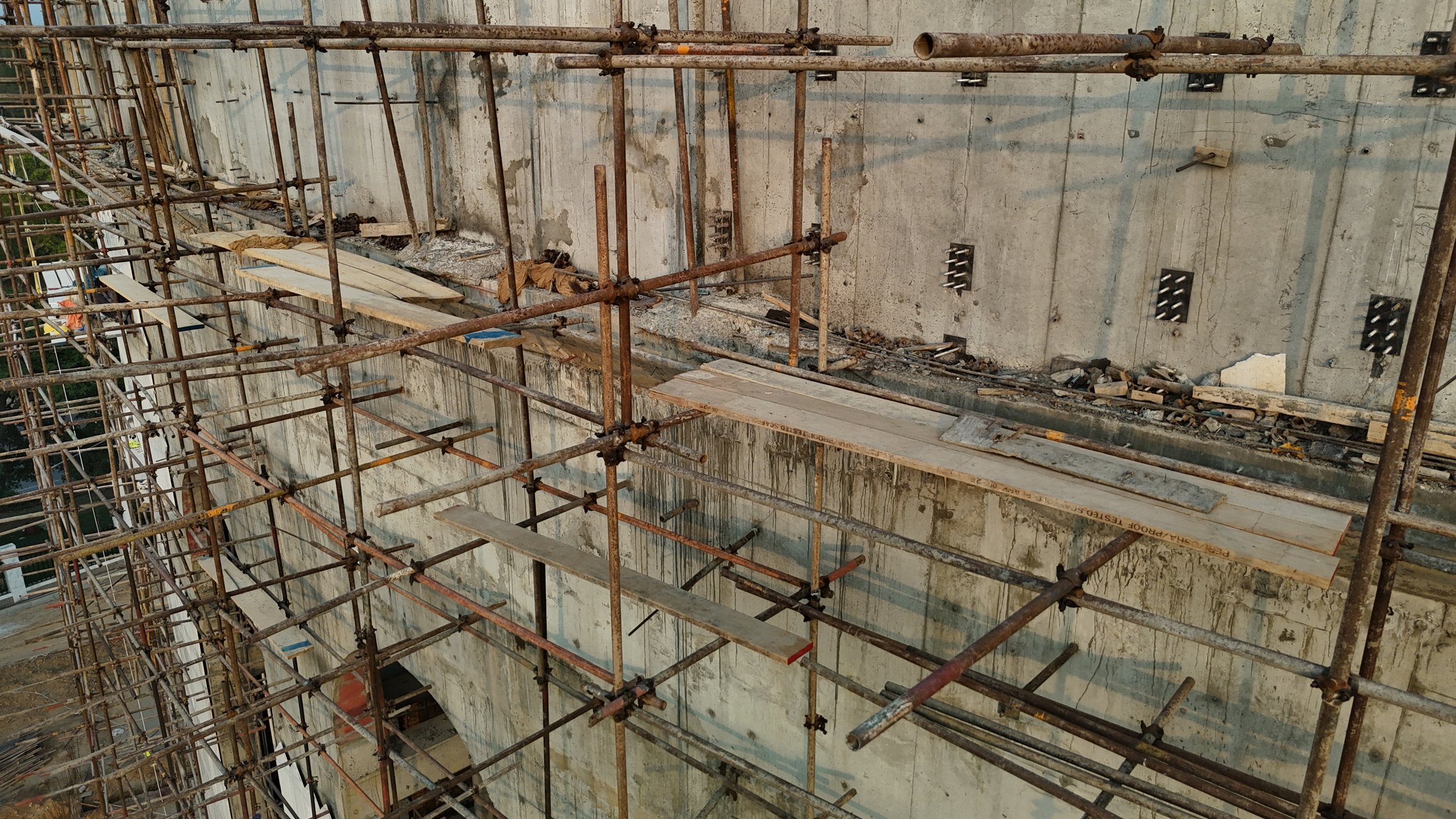
The structure carries the scale of the effort: approximately 750 tonnes of structural steel and more than 11,000 cubic metres of concrete went into the development.
The carved frieze
The hardest single package was the carved frieze. The panels are roughly 25 centimetres thick, against the two or three centimetres typical of façade cladding, and the frieze weighs some 110 tons in total. At an indicative density of around 2,850 kilograms per cubic metre, a square metre of that stone weighs in the region of 710 kilograms.
Panels of that mass cannot be handled as cladding. Each had to be lifted to high level, positioned against a curved wall, aligned to its neighbours and then mechanically secured. The alignment tolerance was set not by structural need but by the artwork: because the relief narrates the decisive moments of Marka-e-Haq as one continuous scene, a figure interrupted at a joint would be visible from the ground long before any drift showed up in a survey.
The fixing solution
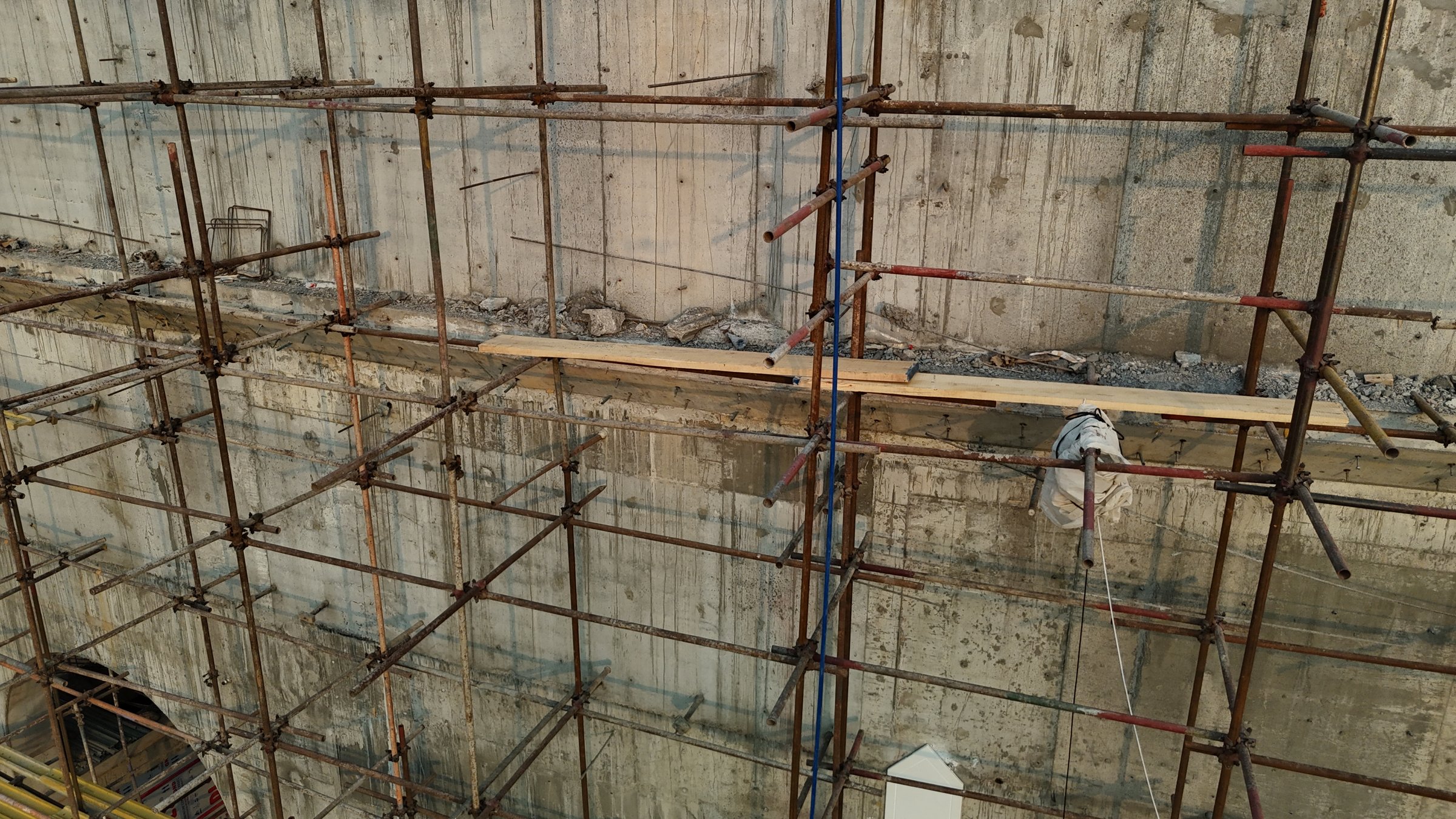
The fixing solution was a concealed mechanical undercut anchor system of the Keil type. Undercut anchors expand into a conical hole drilled into the back face of the stone, producing a positive mechanical connection that carries dead load and wind load without any visible fixing on the finished surface, and without adhesives or face-drilled pins that would mark the carving.
Logistics
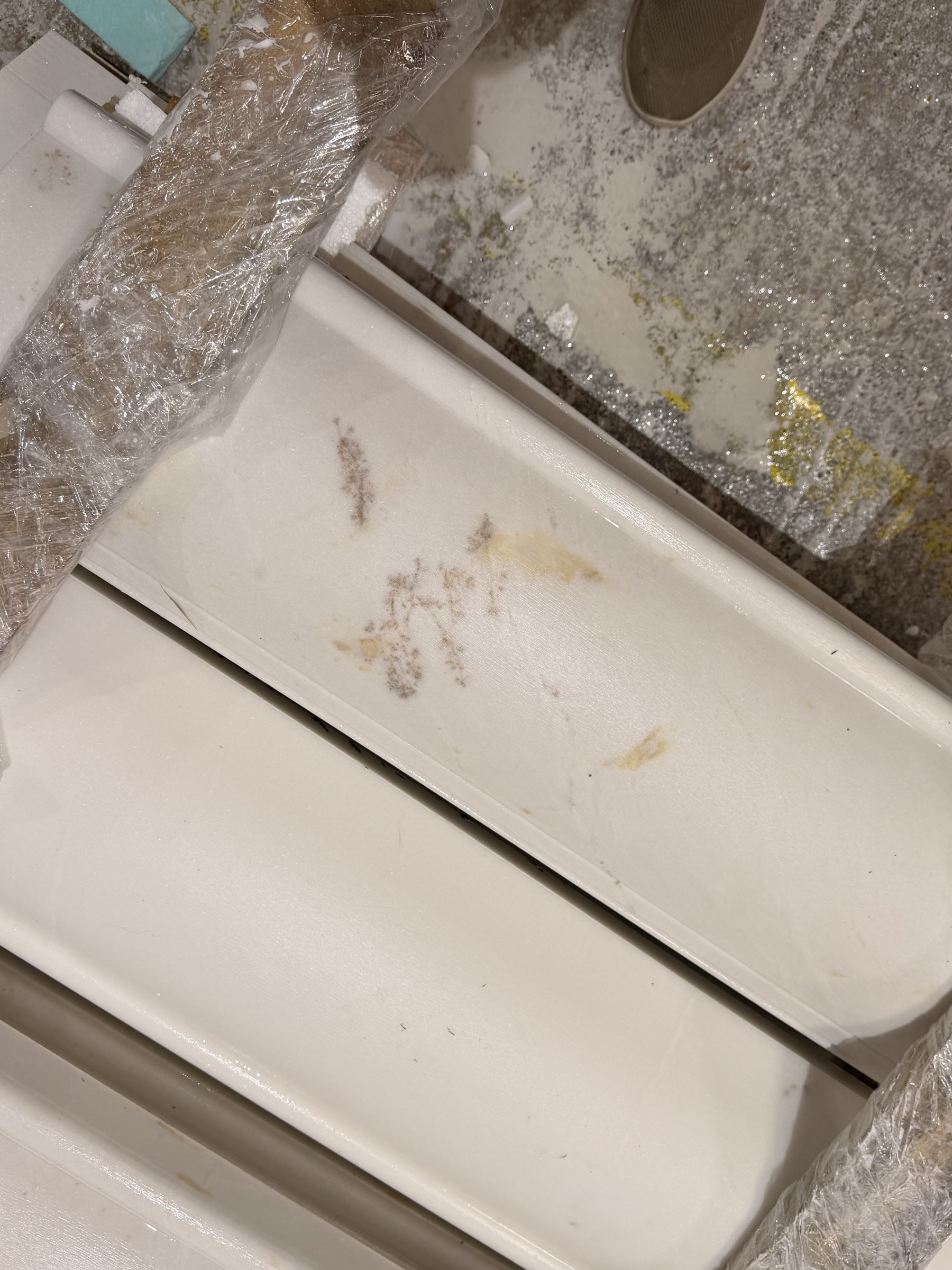
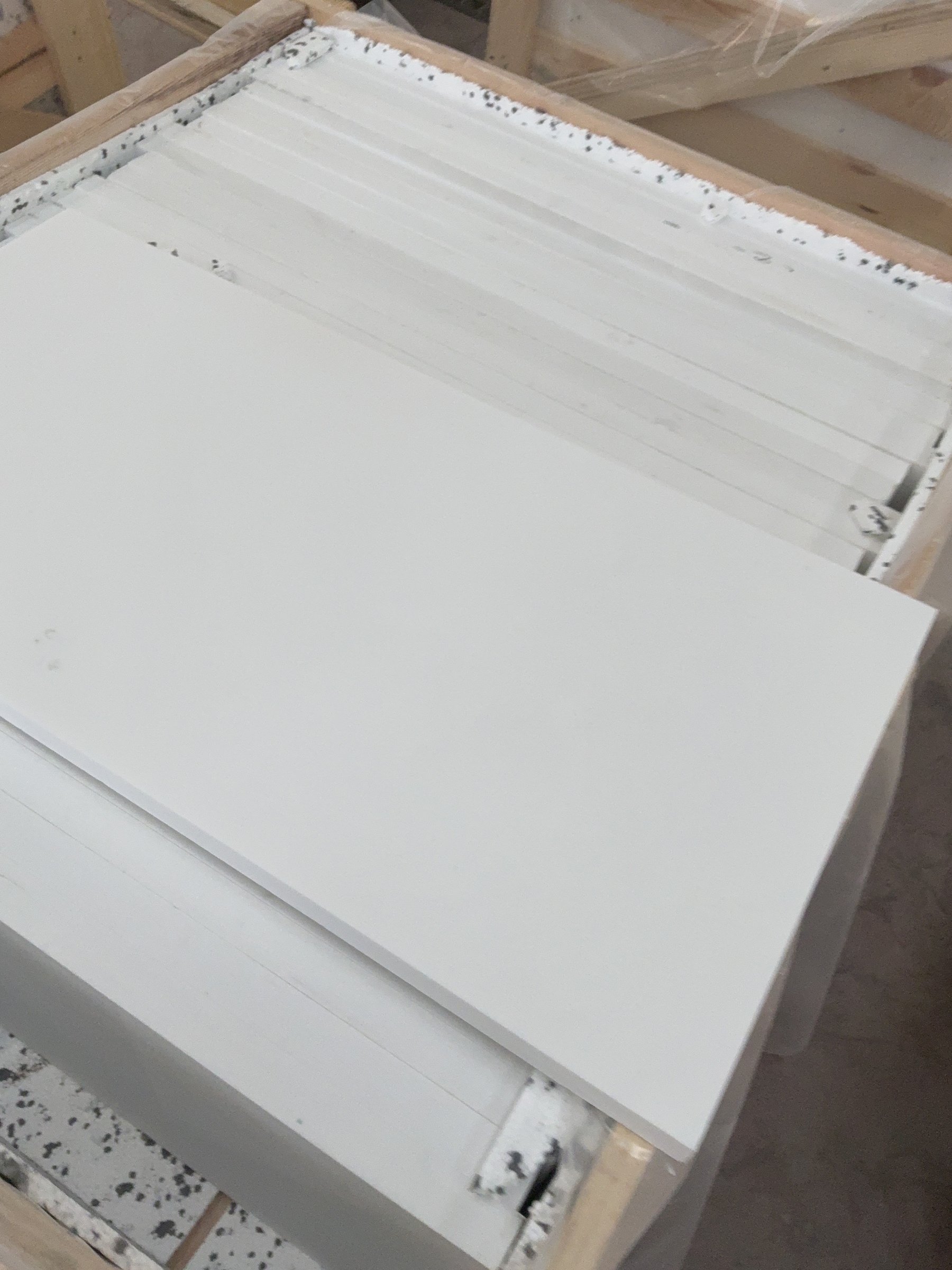
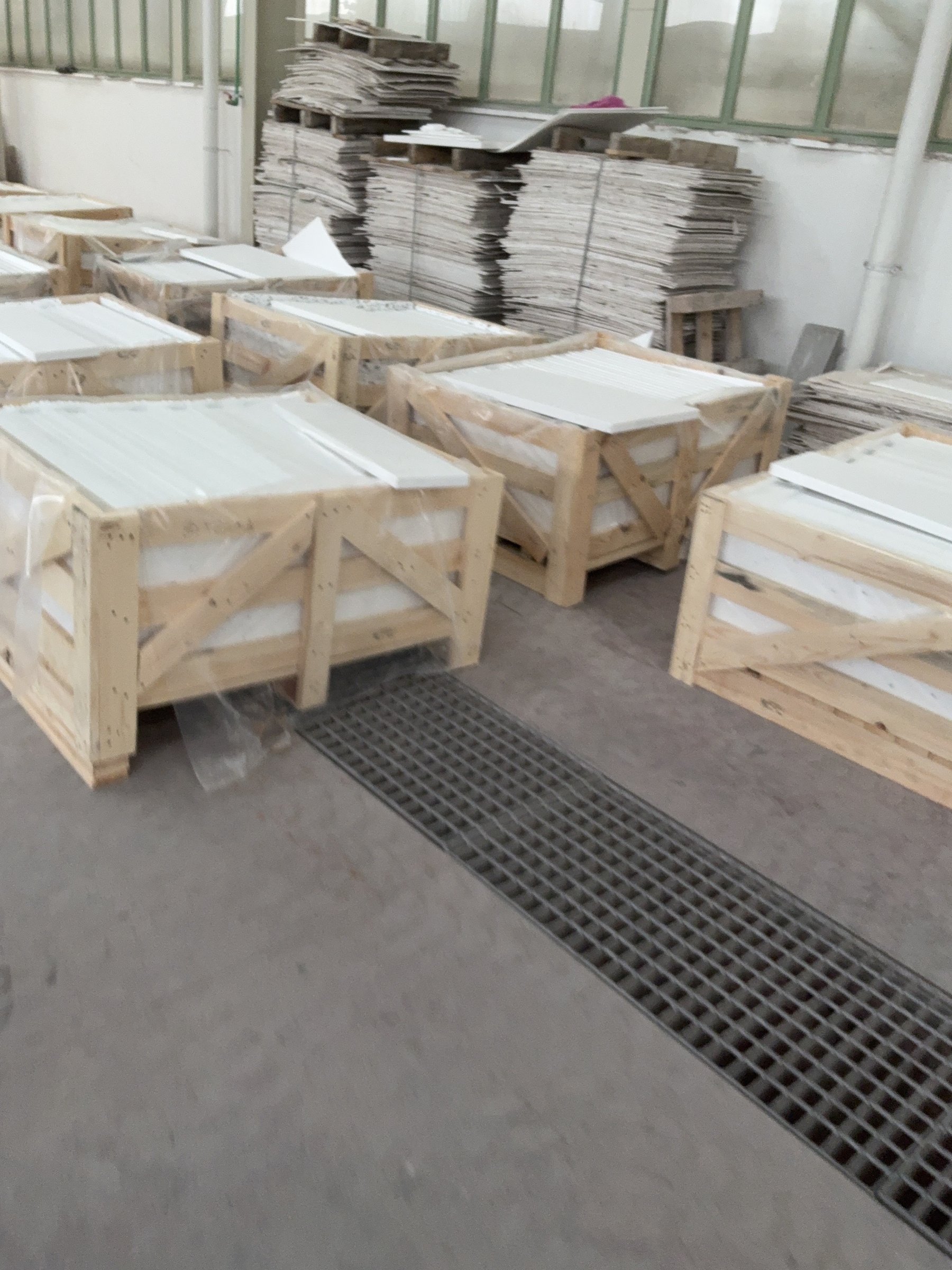
Logistics added a further layer. The frieze was carved in China and shipped to Pakistan, putting an international supply chain on the critical path of a fast-track job. Fabrication approvals, packing sequence, shipping, customs and site delivery all had to be ordered so that panels arrived in the order they were to be installed rather than the order they were finished.
The services behind the stone
Behind the public spaces sits the plant that keeps the site running. Water is held in a 120,000-gallon storage facility. Electrical supply is taken through a 1,000 kVA transformer, with two 300 kVA standby generators covering outages, a necessary provision for a site expected to host occasions of state, where a power interruption during a national ceremony is not an acceptable risk.
Life safety and communications were built in rather than added later: fire detection and firefighting systems, CCTV surveillance, public address, structured data cabling and Wi-Fi infrastructure are distributed across the memorial and its grounds.
Coordinating those trades within the programme was arguably as demanding as any single technical problem on the job. Heavy stone installation at height does not share a working area easily with electrical first fix, and landscaping cannot begin while cranes are still tracking across the site.
There was also a symbolic constraint the programme had to respect. A memorial conceived as Bunyan-un-Marsoos, a solid, impenetrable wall cannot show its joints, its fixings or its services. Everything that makes the building work had to disappear behind the stone, which is a harder brief than it sounds and accounts for much of the detailing effort on the job.
Yadgar-e-Fatah was designed by renowned architects Arif Masood and Mahnoor Qureshi, with Colonel Abuzar Ghawas Khan Yousafzai overseeing the project as Project Director. The memorial was executed and constructed by the Frontier Works Organisation (FWO). Seen from the Expressway, Yadgar-e-Fatah is a white monument. Seen from a site office, it is a stone package, a services package and a landscape package that had to be brought to completion together, on a date that could not move.
Prosvogue supplied and installed the Thassos White marble cladding at Yadgar-e-Fatah. Read how we imported 40,000 sq ft from Greece, explore our marble range or contact us at info@prosvogue.com.
Photographs: Prosvogue project archive.