From May to September, much of Pakistan sees fierce heat, strong sun and drying winds. These conditions pull water out of fresh concrete before it can gain strength. That is why curing concrete in hot weather properly is one of the simplest, lowest-cost ways to get stronger, more durable slabs, columns and beams.
Why curing matters
Concrete gains strength through hydration, a chemical reaction between cement and water. If the surface dries too early, hydration slows or stops in the outer layer. The result is a weaker, dusty, more permeable surface that cracks more easily and lets water and salts reach the reinforcement. That leads to corrosion and costly repairs years later.
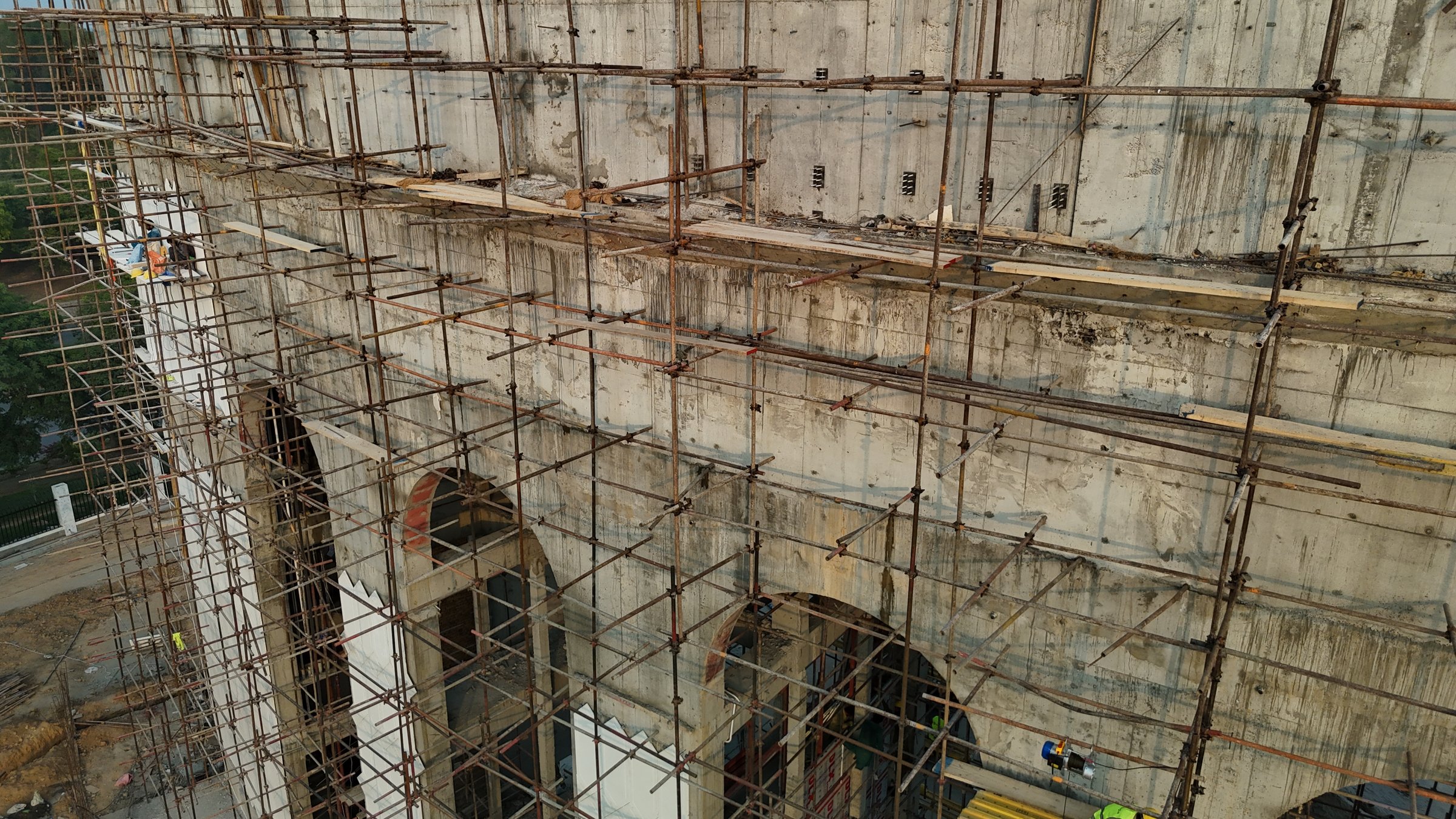
In hot, windy and dry weather, typical of Punjab, Sindh and Balochistan summers, evaporation from fresh concrete is very fast. The risk of plastic shrinkage cracks, fine cracks that appear within hours of placing, increases sharply. Large exposed areas such as roof slabs, car park decks and road pavements are especially vulnerable because so much surface faces the sun and wind at once.
Plan the pour before curing starts
Good curing begins with planning. Before a summer pour, agree these points with the engineer and concrete supplier:
- Timing: pour in the early morning, late evening or at night when temperatures are lower.
- Mix: discuss retarding admixtures and suitable mix design with the batching plant rather than adding water on site.
- Materials: shade aggregate stockpiles and use cool water where possible.
- Formwork and sub-base: dampen them before placing so they do not draw water from the concrete.
- Resources: have enough labour, pumps, covers and water ready so placing and finishing happen without delay.
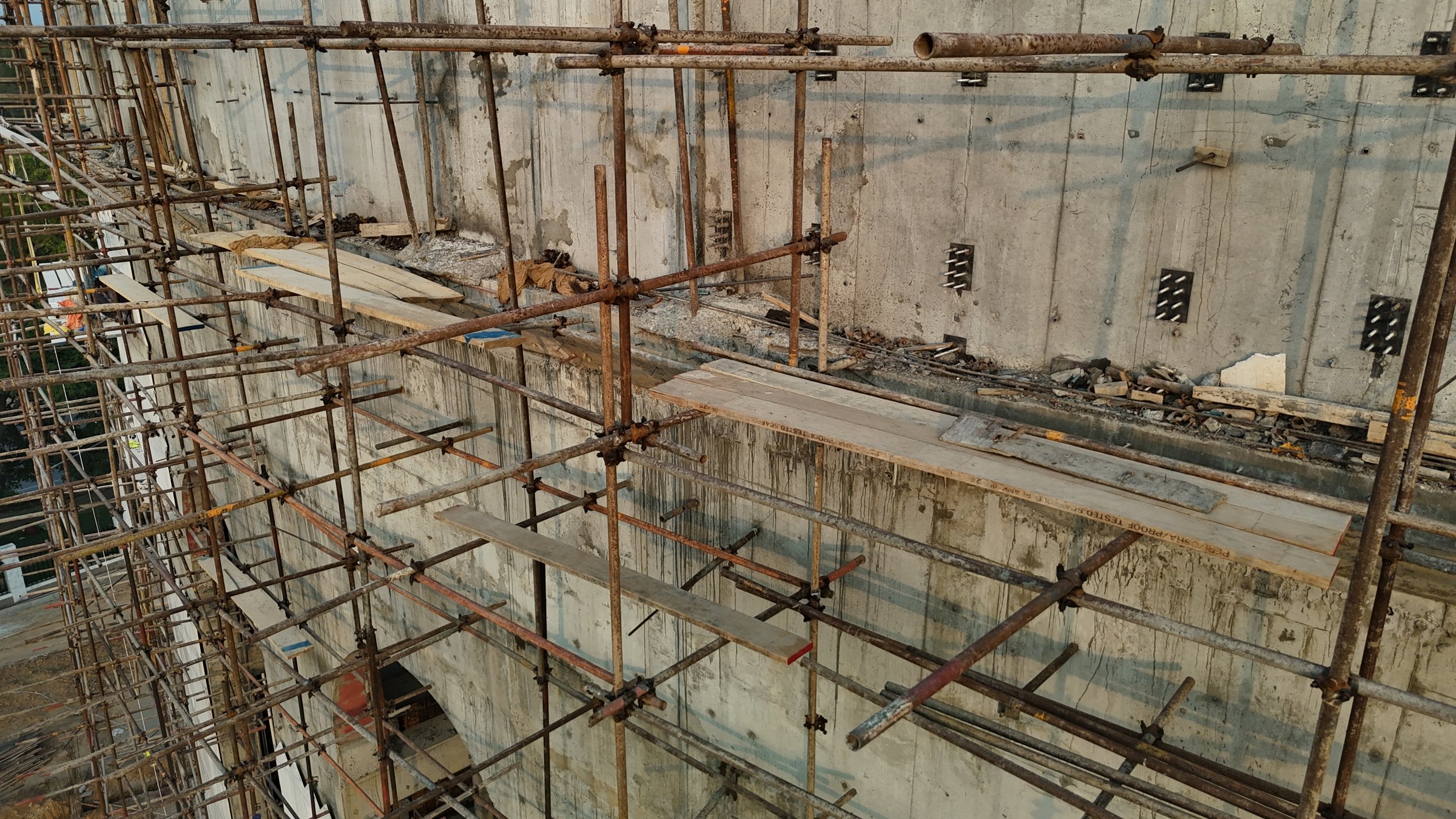
Methods for curing concrete in hot weather
Several methods work well on Pakistani sites. Often a combination gives the best result:
- Ponding: building small earth or mortar bunds on flat slabs and keeping a shallow layer of water on top. Effective for roofs and floor slabs.
- Wet coverings: hessian (burlap), jute bags or cotton mats kept continuously wet. They must not be allowed to dry out, or they will draw moisture from the concrete.
- Plastic sheeting: polythene sheets laid over damp concrete and weighted at the edges to trap moisture.
- Curing compounds: sprayed liquid membranes that seal the surface, useful on large areas or vertical faces where wetting is difficult. Follow the manufacturer’s guidance.
- Water spraying: fine, regular spraying of columns and walls, especially after formwork removal.
Whichever method is used, start as soon as the surface can be covered without damage, and keep it going for the period the engineer specifies. Intermittent wetting, where the concrete dries out between sprinkles, is far less effective than continuous moisture.
Water supply is often the weak point. Many sites depend on tankers or a single bore, so calculate how much water curing will need for the whole period and store enough on site. Assign named workers to curing duties on each shift, including Fridays and holidays, so slabs are not left dry when the site is quiet.
Common mistakes to avoid
- Adding water to the mix on site to make it easier to place.
- Leaving slabs uncovered in afternoon sun and wind.
- Spraying cold water onto very hot concrete in a way that causes thermal shock.
- Stopping curing after one or two days because the surface looks hard.
- Removing formwork early without the engineer’s approval.
Checking the results
Curing quality shows up in strength test results, surface hardness and the absence of cracks and dusting. Keep a simple curing log on site recording the pour date, method used and checks made each day. This helps supervisors spot gaps and gives clients confidence in the work. Requirements differ by structure and specification, so always follow the project engineer’s instructions.
Prosvogue’s building construction teams plan pours and curing around Pakistan’s climate. contact us or email info@prosvogue.com.
Frequently asked questions
How long should concrete be cured in summer?
The period depends on the cement type, mix and element, and is set by the project engineer. Many specifications call for several days of continuous moist curing as a minimum.
What causes fine cracks on a fresh slab?
Fine cracks that appear within hours are often plastic shrinkage cracks, caused by the surface drying faster than water rises from below, usually in hot, windy conditions.
Is a curing compound as good as water curing?
A properly applied compound can be effective, especially where continuous wetting is impractical. Suitability depends on the product, coverage and later finishes, so check with the engineer.
Key topics: curing concrete in hot weather · concrete curing · hot weather concreting · plastic shrinkage cracks · slab curing · site practice