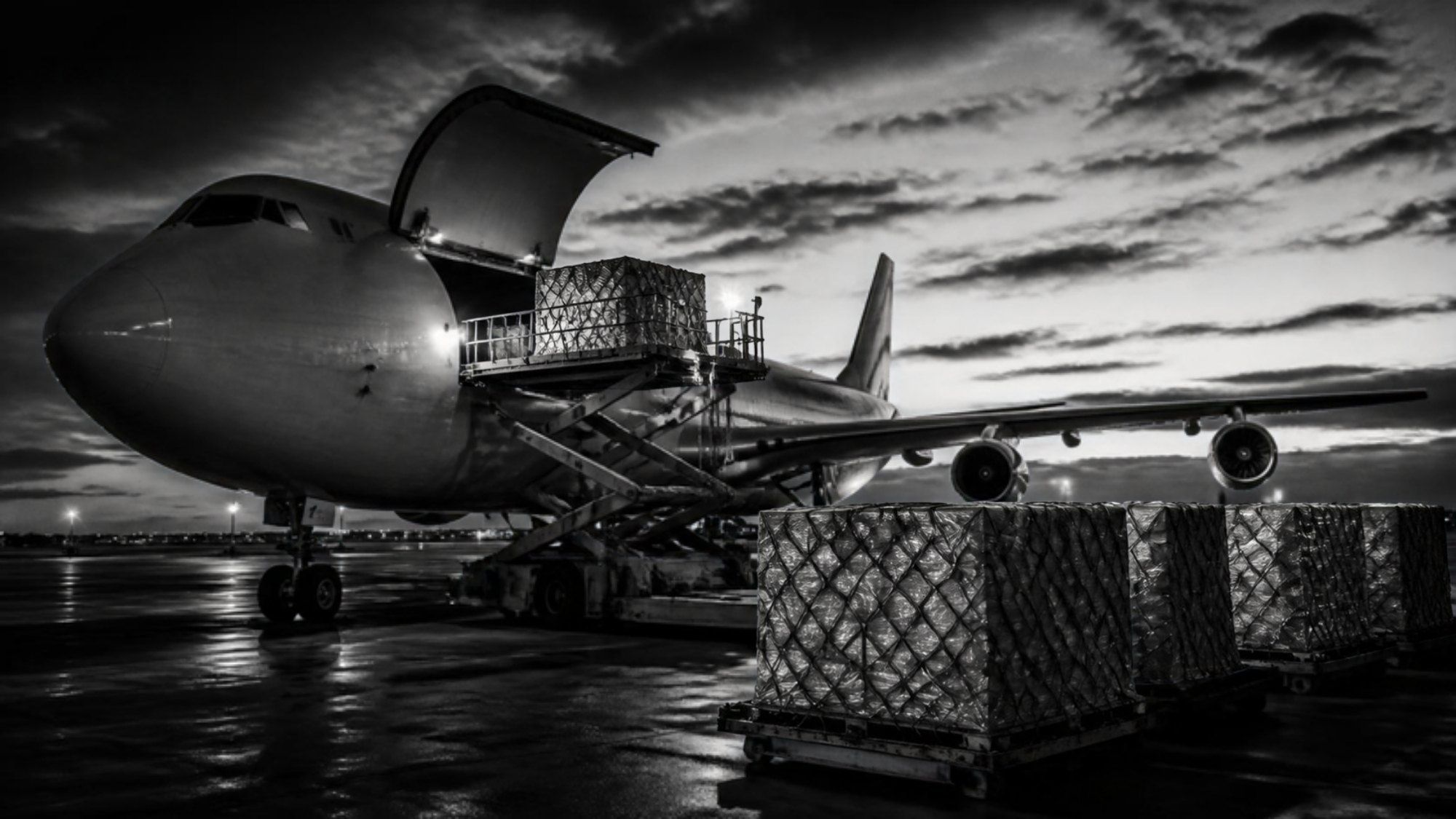
Once you have decided to ship by sea, the next choice is whether to book a whole container or share one. The FCL vs LCL shipping decision affects cost, transit time, handling risk and even how quickly your goods clear customs. FCL means full container load: the container is yours alone. LCL means less than container load: your cargo shares a container with other shippers’ goods. Here is how to decide between them.
How FCL works
With FCL, the container is delivered to your supplier (or the goods are taken to it), loaded and sealed, and it stays sealed until it is opened for examination or at your premises. You pay a rate per container regardless of how full it is.
- Fewer handling steps, so lower risk of damage or loss.
- Usually quicker, as there is no consolidation or deconsolidation.
- Better for heavy goods, where the container’s weight limit is reached before its volume.
- Free time and detention rules on the container apply, so you need to return it promptly.
How LCL works
With LCL, a forwarder collects cargo from several shippers at a consolidation warehouse, packs it into one container and ships it. At destination the container is unpacked at a container freight station and each consignment is released separately.
- You pay mainly for the space or weight you use, usually per cubic metre or tonne, whichever is greater.
- Suits smaller shipments that would leave a container mostly empty.
- More handling, so packing must be robust.
- Can take longer, because of consolidation and because one consignment’s problem can hold up the whole box.
FCL vs LCL shipping: a side-by-side view
| Factor | FCL | LCL |
|---|---|---|
| Pricing basis | Per container | Per cubic metre or tonne |
| Handling | Minimal; sealed at origin | Consolidated and deconsolidated |
| Transit | Generally faster | Often slower |
| Damage risk | Lower | Higher if packing is weak |
| Best for | Large, heavy or high-value loads | Small or trial shipments |
The break-even point
There is usually a volume at which booking a whole container costs about the same as paying for LCL space, once all charges are counted. Above that point FCL tends to be better value; below it, LCL usually wins. The exact point shifts with market rates, routes and destination charges, so ask your forwarder to price both options for the same shipment.
Remember to compare the full landed picture, including:
- origin charges for consolidation or container stuffing;
- ocean freight and surcharges;
- destination terminal, container freight station and delivery order charges;
- inland transport, which differs for a full container versus loose cargo.
Heavy goods: why FCL is common for stone and machinery
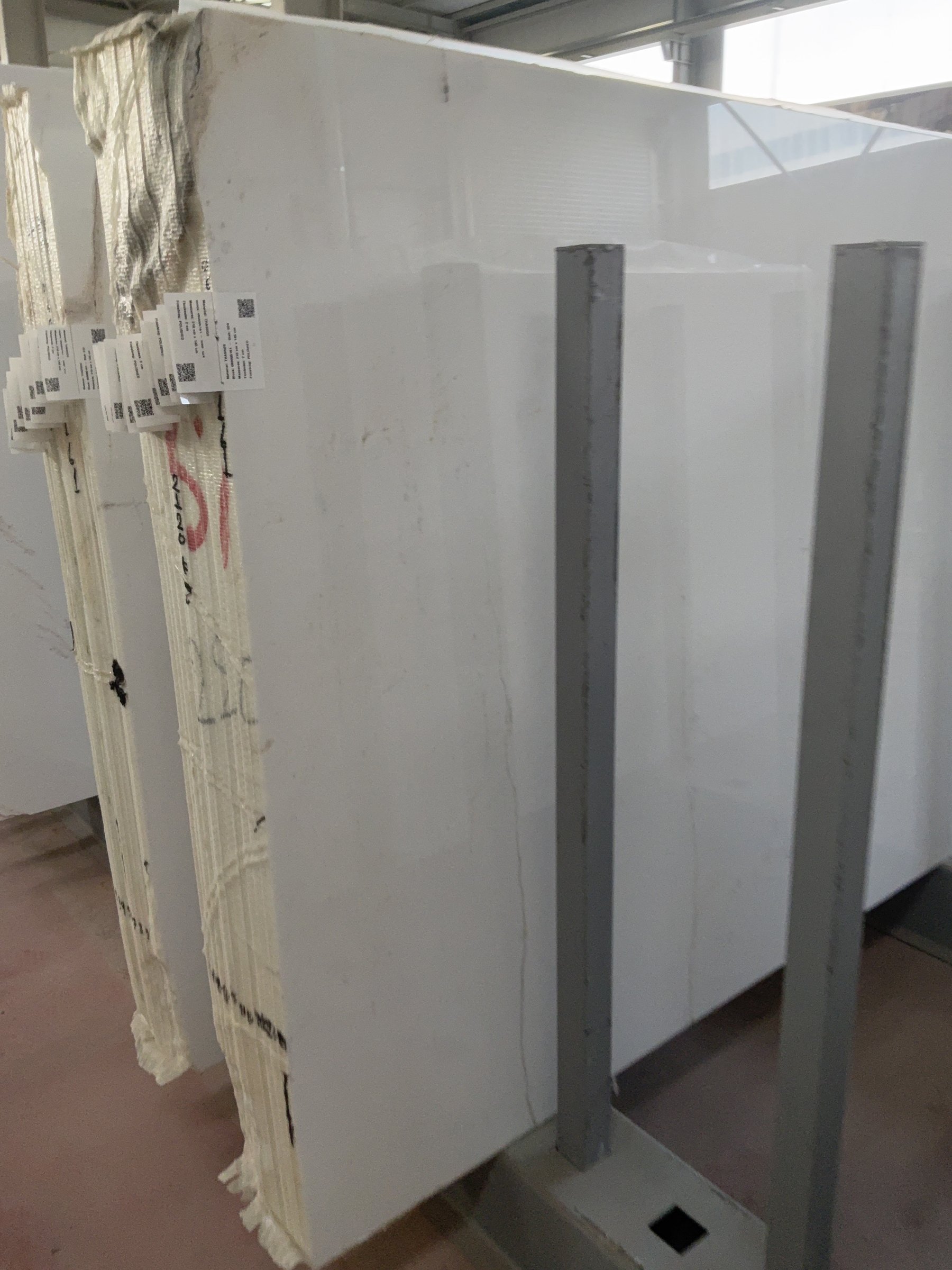
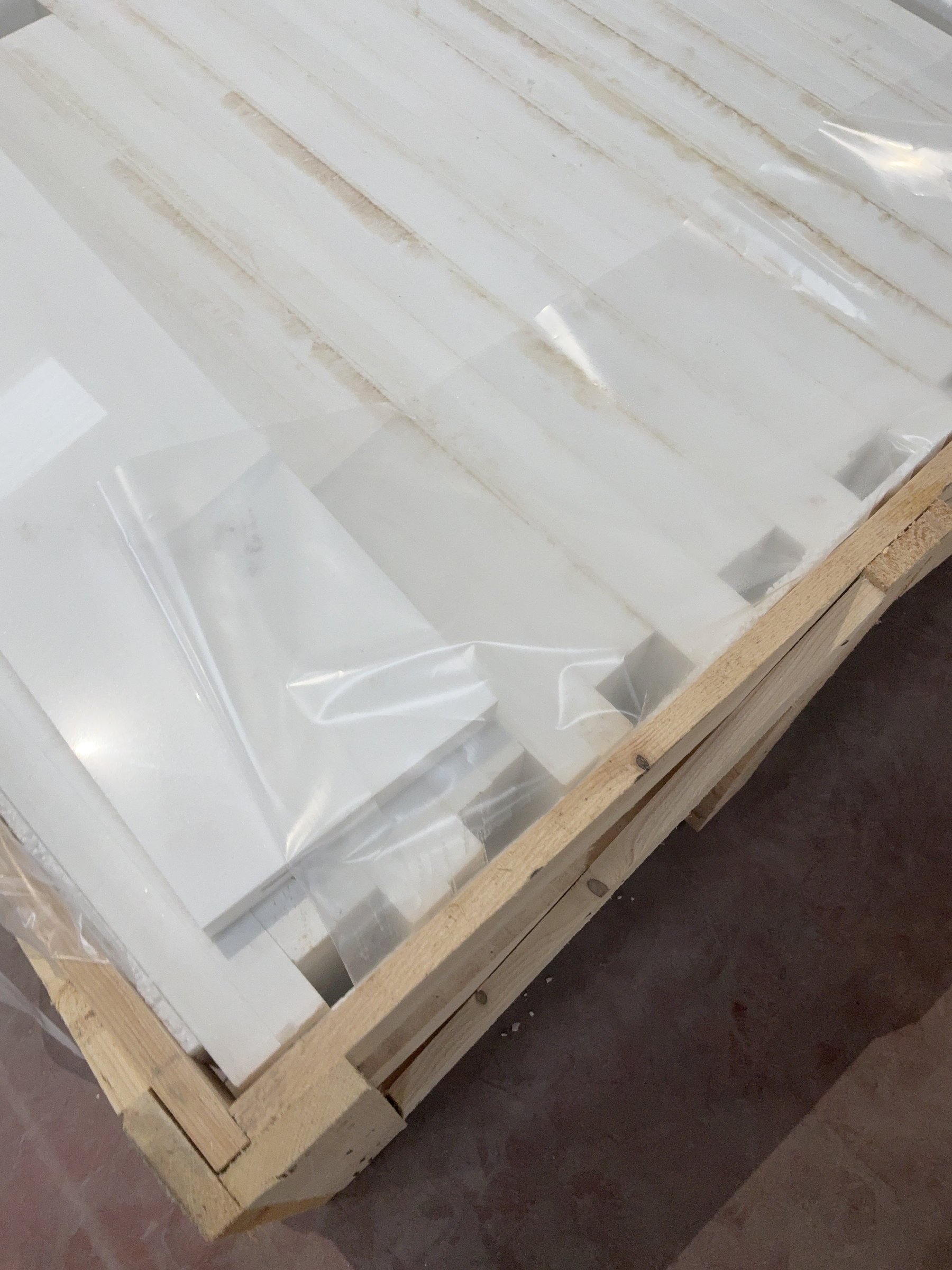
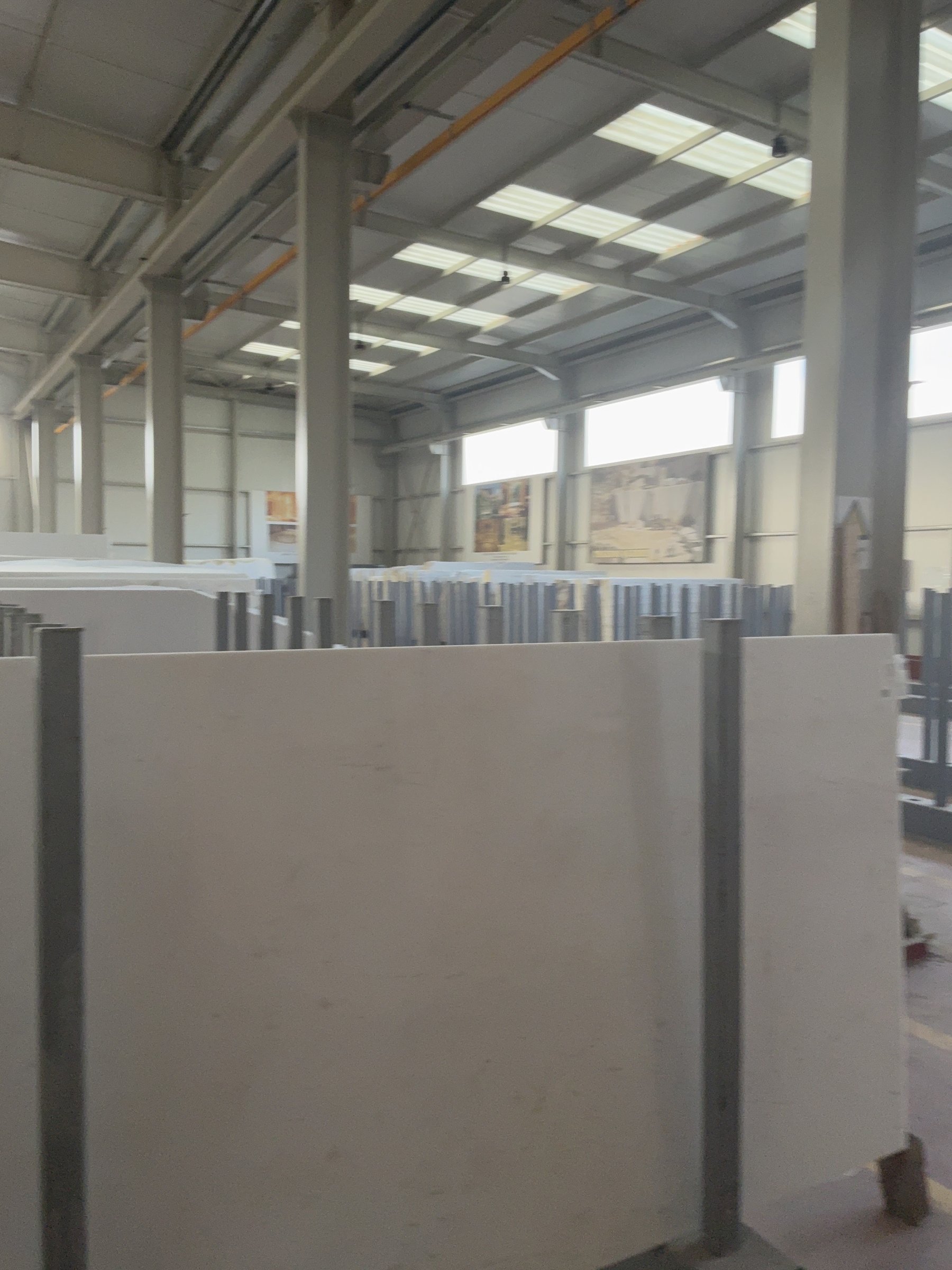
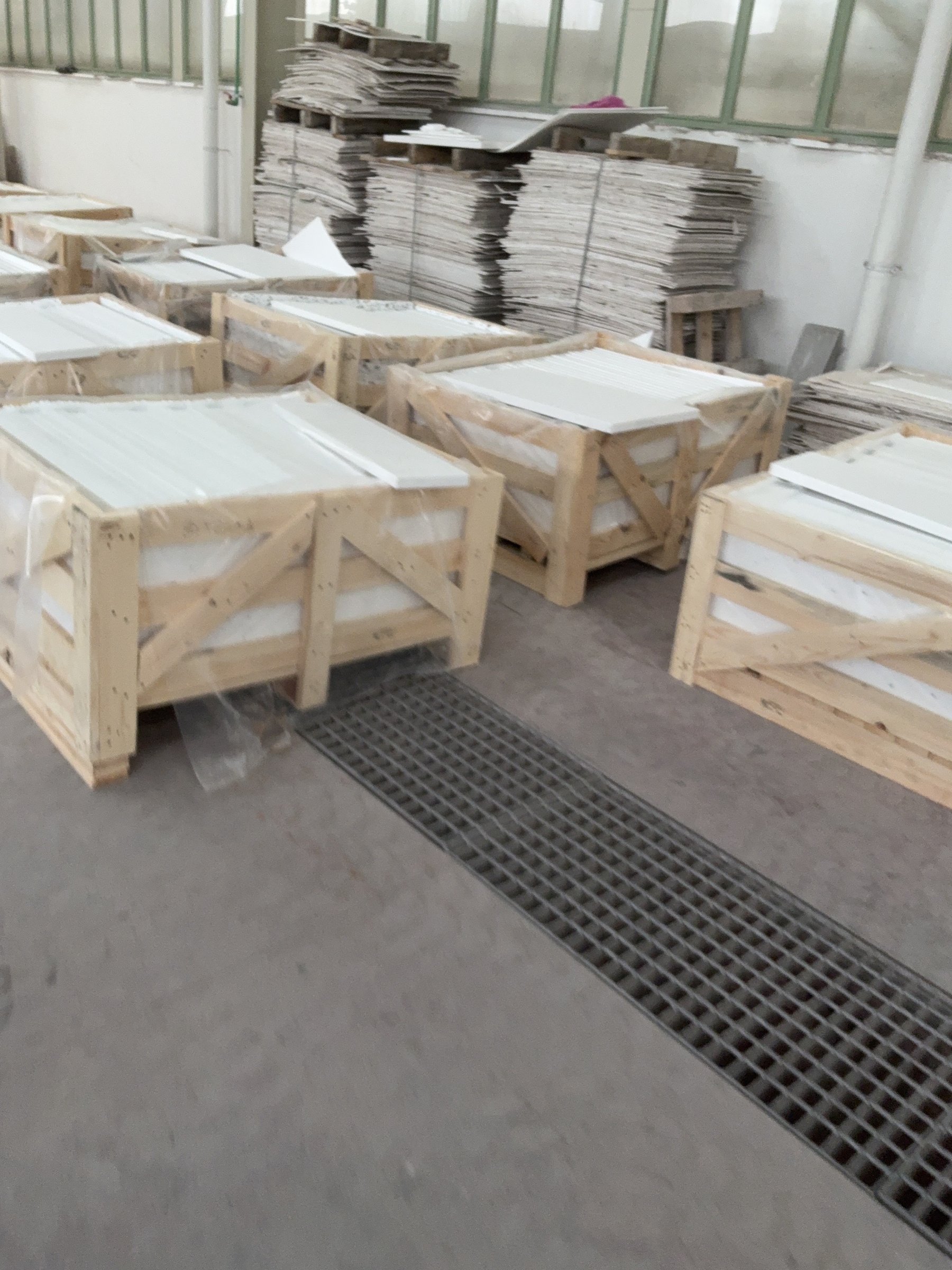
For dense cargo such as marble slabs, steel or generators, a container can reach its maximum payload while still looking half empty. Even a modest order of stone may therefore justify a container of its own. FCL also keeps fragile crates away from other shippers’ cargo and reduces forklift handling, which matters for polished stone. Oversized machinery may need special equipment such as flat racks or open tops, which are booked as full units.
Clearance differences to know about
With LCL, all consignments in the container usually have to be discharged and processed before yours can be released, so delays affecting another shipper can affect you. With FCL your container is cleared on its own documents. In both cases, accurate paperwork is the best way to avoid holds; our customs clearance team can review documents before shipment. Customs procedures change, so confirm current requirements for your goods.
We book full and shared containers through our worldwide sea freight service. Contact us or email info@prosvogue.com with your cargo size and weight.
Frequently asked questions
Can I book FCL if my goods do not fill the container?
Yes. You pay for the whole container regardless of how full it is. This is often sensible for heavy or fragile goods, or when speed and security matter.
Is LCL suitable for marble?
Small quantities of tiles or cut pieces can travel LCL if they are packed in strong, well-braced crates. Large slab bundles are normally shipped FCL because of their weight and fragility.
What is the difference between a 20 ft and a 40 ft container for heavy goods?
A 40 ft container has roughly twice the volume but not twice the payload, so for very dense cargo such as stone, a 20 ft container is often the practical choice. Confirm weight limits, including road limits, with your forwarder.
Key topics: FCL vs LCL shipping · sea freight · full container load · groupage · container shipping · import planning