Importing stone into Pakistan is straightforward when the paperwork is right, and expensive when it is not. Here is the process from the supplier’s yard to your site, based on how we manage marble imports.

1. Agree the order in writing
Quantity, thickness, finish, packing and delivery terms should be in the purchase order. Check which party pays for freight and insurance.
2. Documents you will normally need
- Commercial invoice and packing list
- Bill of lading (sea) or airway bill (air)
- Certificate of origin, where required
- Import documents required for your business category
Requirements change, so confirm the current list with your clearing agent before the shipment sails.
3. Freight
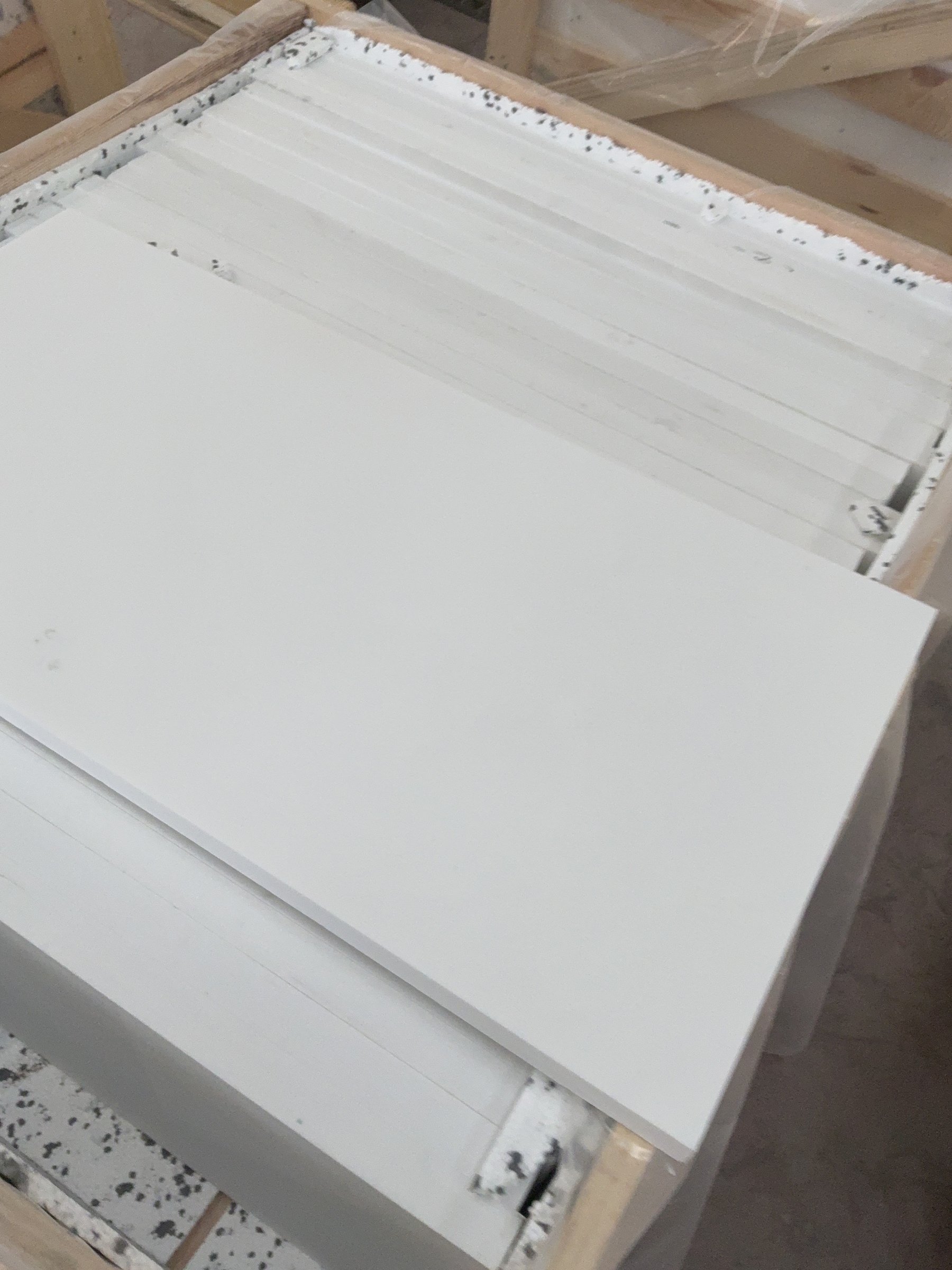
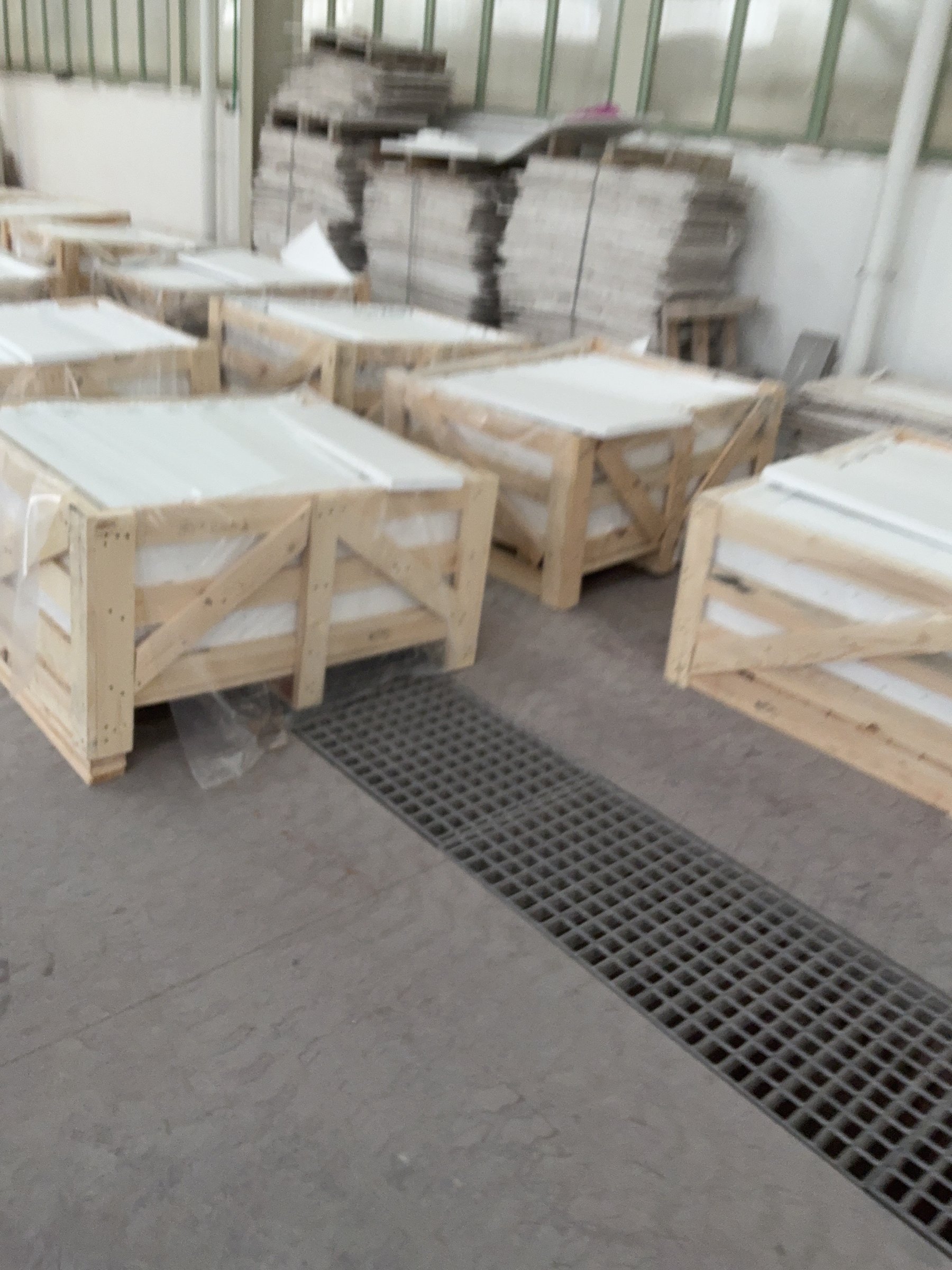
Marble usually moves by sea in containers. Slabs are crated so they survive handling at the port and on the road.
4. Customs clearance
Goods are declared to Pakistan Customs through your clearing agent. Duties and taxes depend on how the goods are classified and the rates in force, so ask your agent for a written estimate. Prosvogue offers customs clearance through our teams in Karachi, Islamabad and Rawalpindi.
5. Inland delivery and inspection
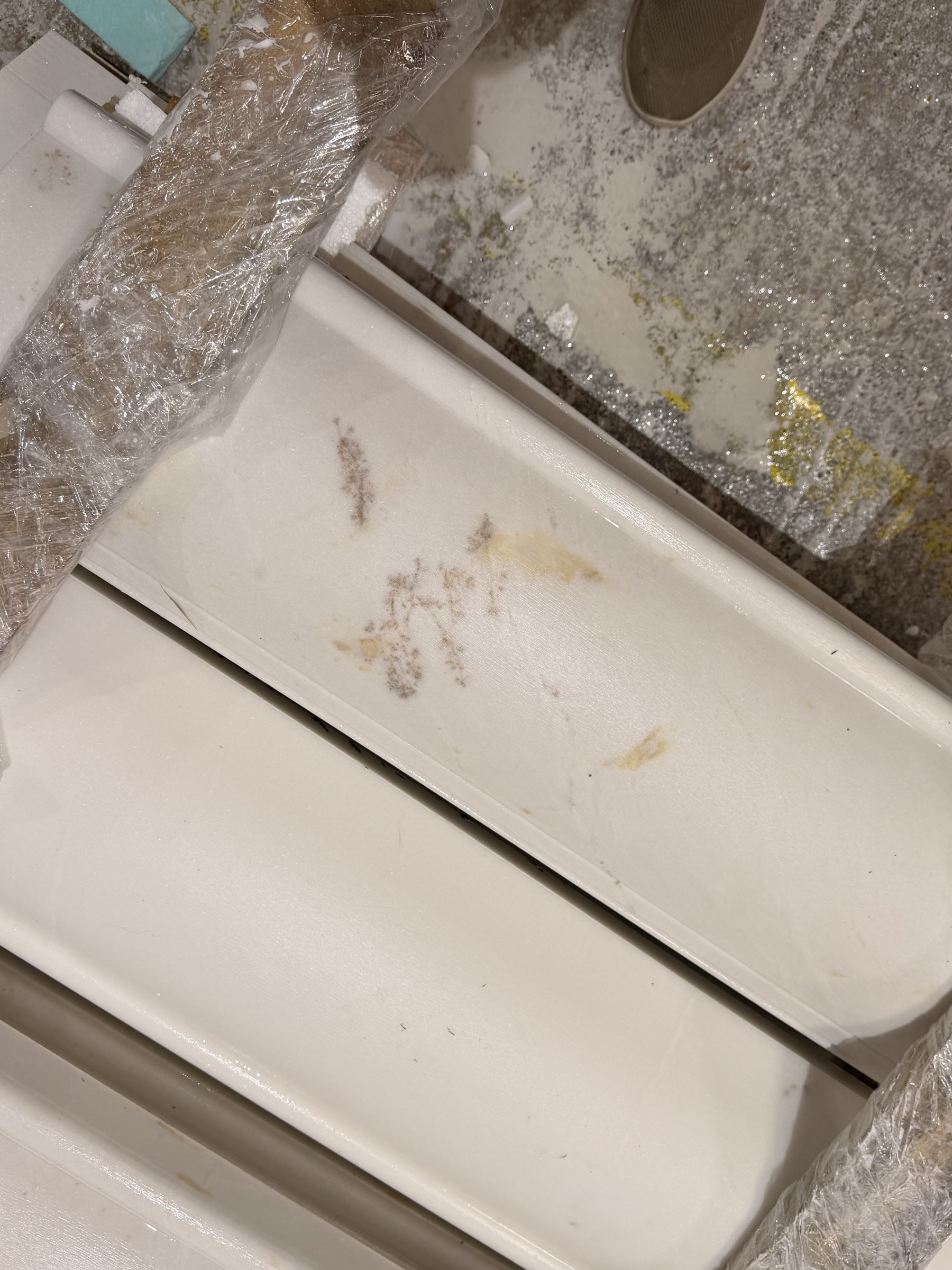
After release, crates travel to site by road. Inspect on arrival, photograph any damage before unloading, and report it straight away.
Common mistakes
- Ordering before the specification is final
- Weak packing for long routes
- Starting shipment before documents are checked
- No plan for storing crates safely on site
See our import and export services, freight services and marble stone range. Talk to Prosvogue at our contact page or info@prosvogue.com.
Frequently asked questions
How long does marble import take?
It depends on route, season and clearance. Ask for a timeline based on your supplier and port.
Do I need a clearing agent?
Most importers use one. Prosvogue can manage clearance as part of the import.