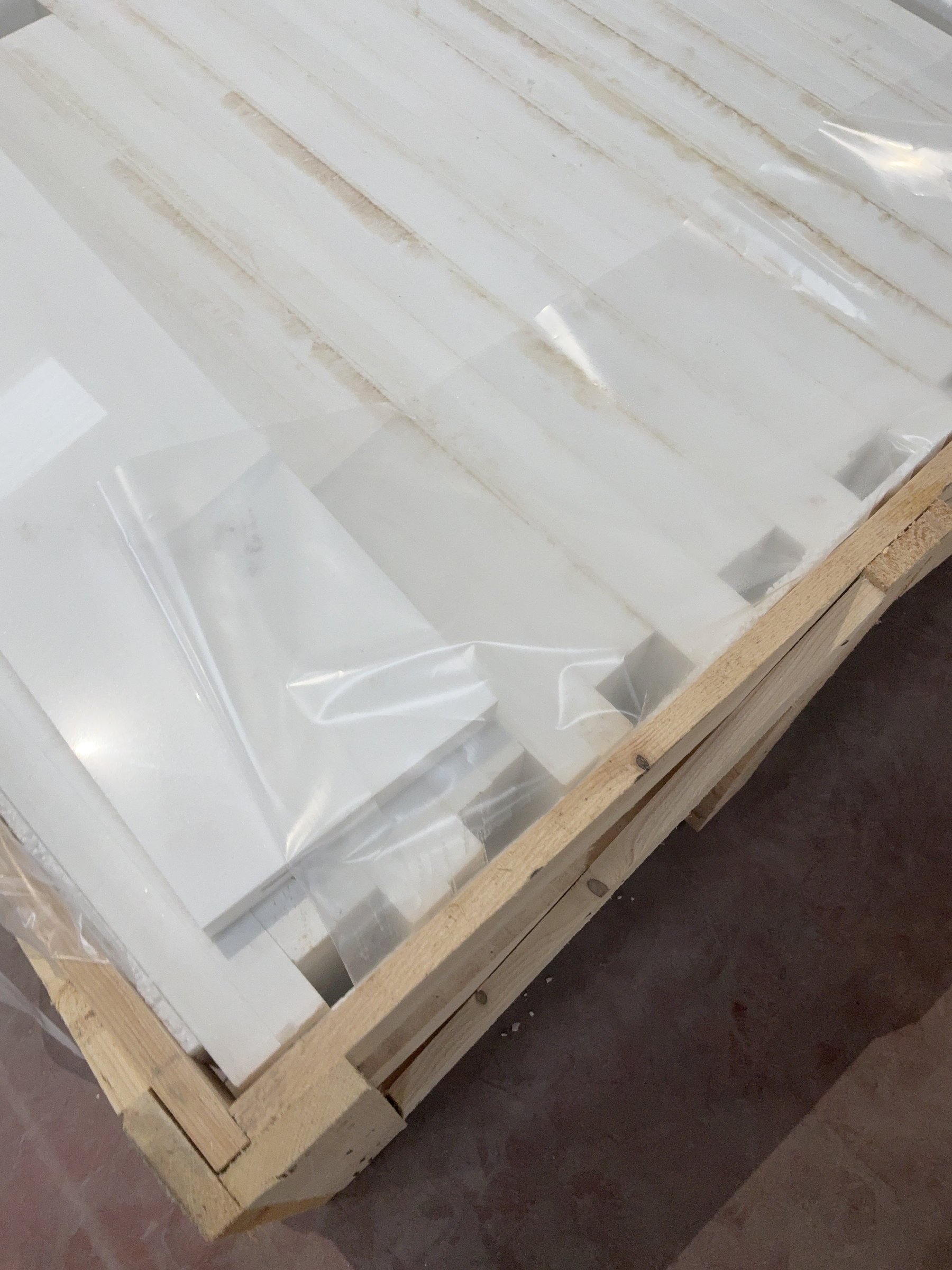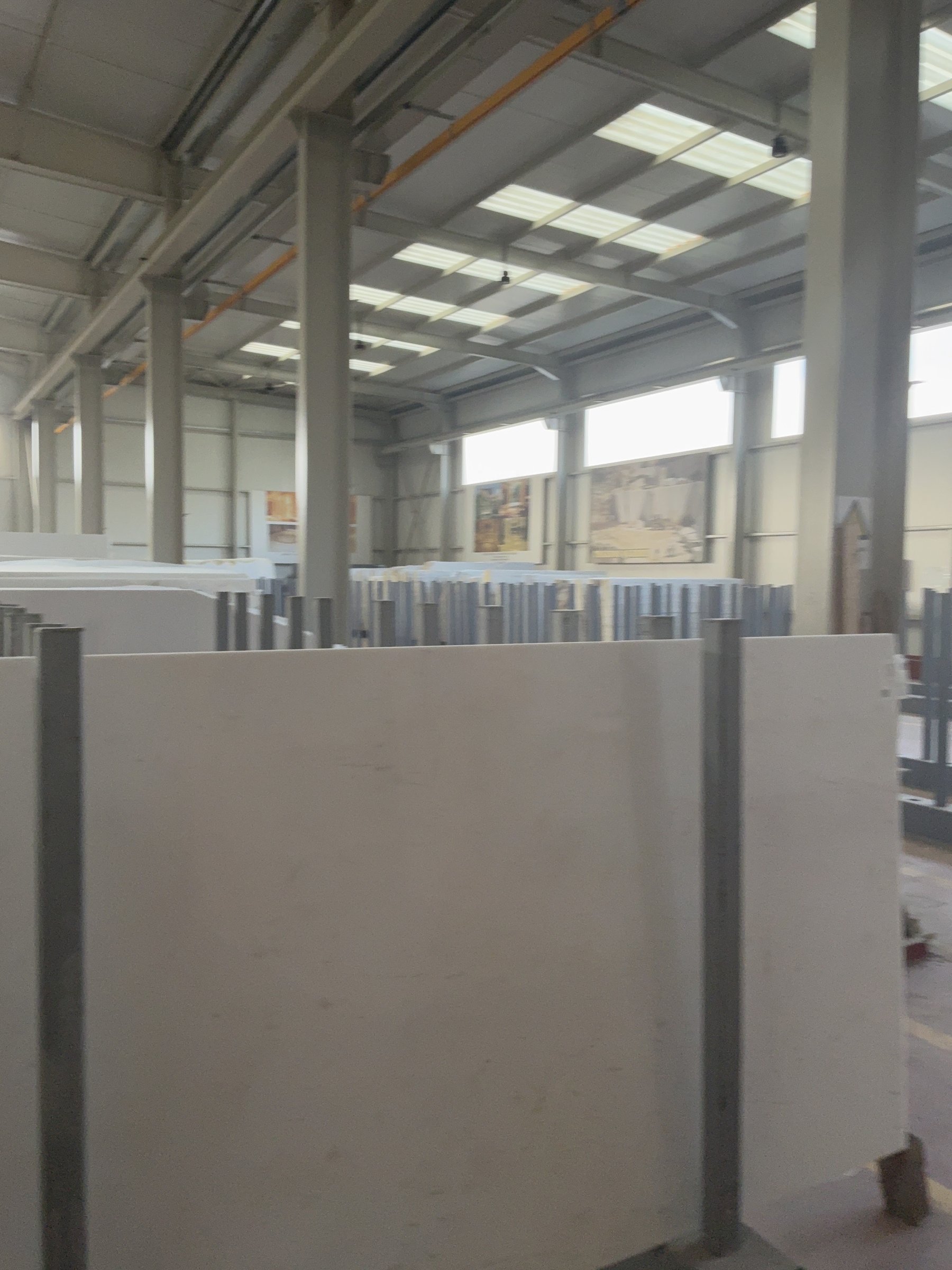
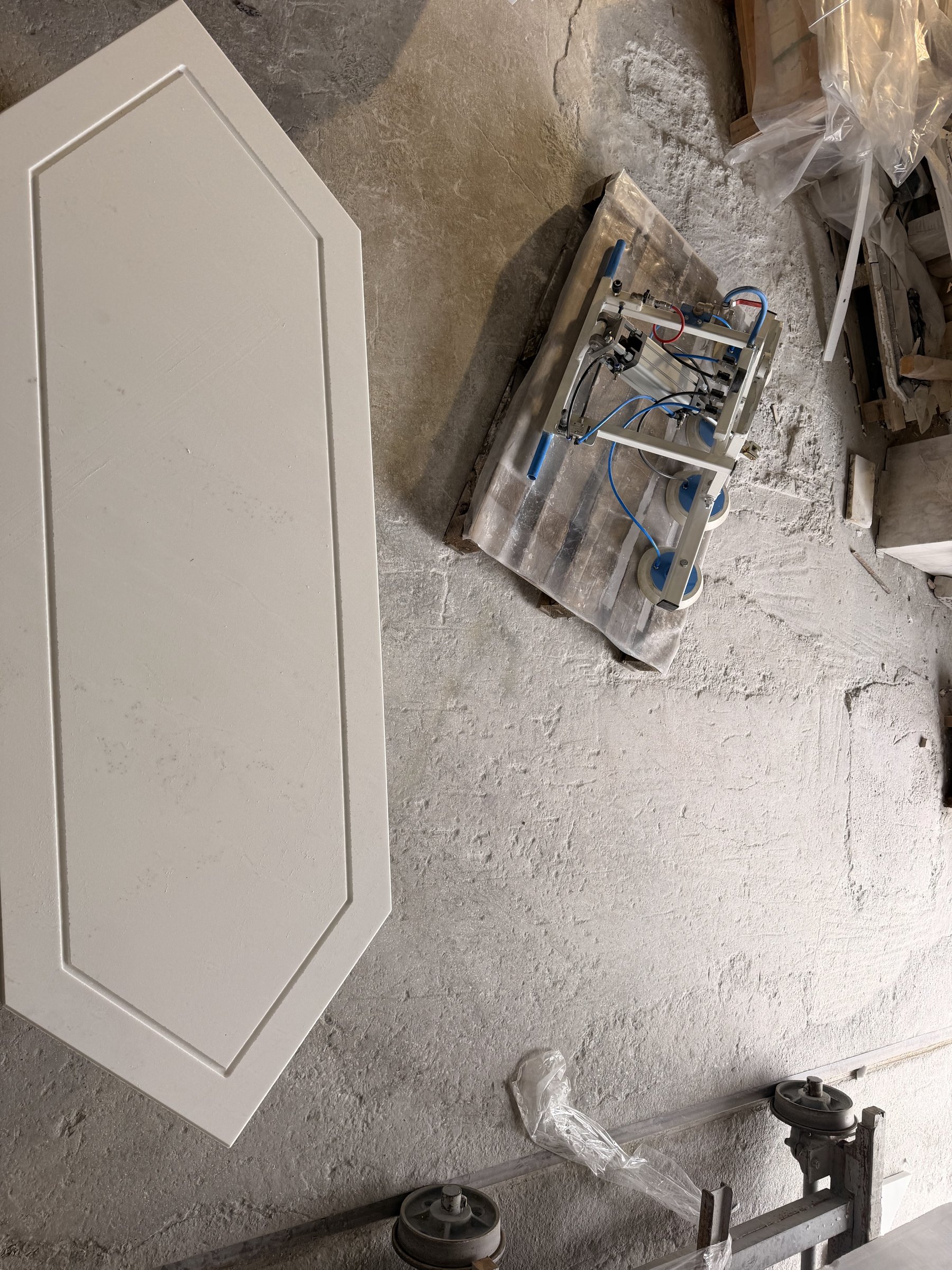
Importing marble for a single villa is a manageable task. Importing marble for a national monument, with installation starting before the last consignment has even arrived, is a different discipline. Our supply of 40,000 square feet of 3 cm Thassos White for the Yadgar-e-Fatah monument, built for FWO, reinforced a set of practical lessons that apply to any large project. Here they are, written as general guidance on importing marble for architects, contractors and developers in Pakistan.
1. Importing marble starts with lead times
Natural stone is not an off-the-shelf product. Material has to be selected, cut, finished, packed and shipped, then cleared and delivered. Each stage takes time, and delays in one push everything after it.
The most reliable approach is to start from the date the first panels are needed on site and work backwards, allowing for:
- Selection and cutting at source.
- Packing and loading.
- International transit.
- Customs clearance in Pakistan.
- Inland transport and unloading at site.
- A sensible buffer for the unexpected.
On Yadgar-e-Fatah, the import started in January 2026 and installation began on 10 June 2026, which shows how far ahead the supply side has to begin.
2. Inspect at the source, not on arrival
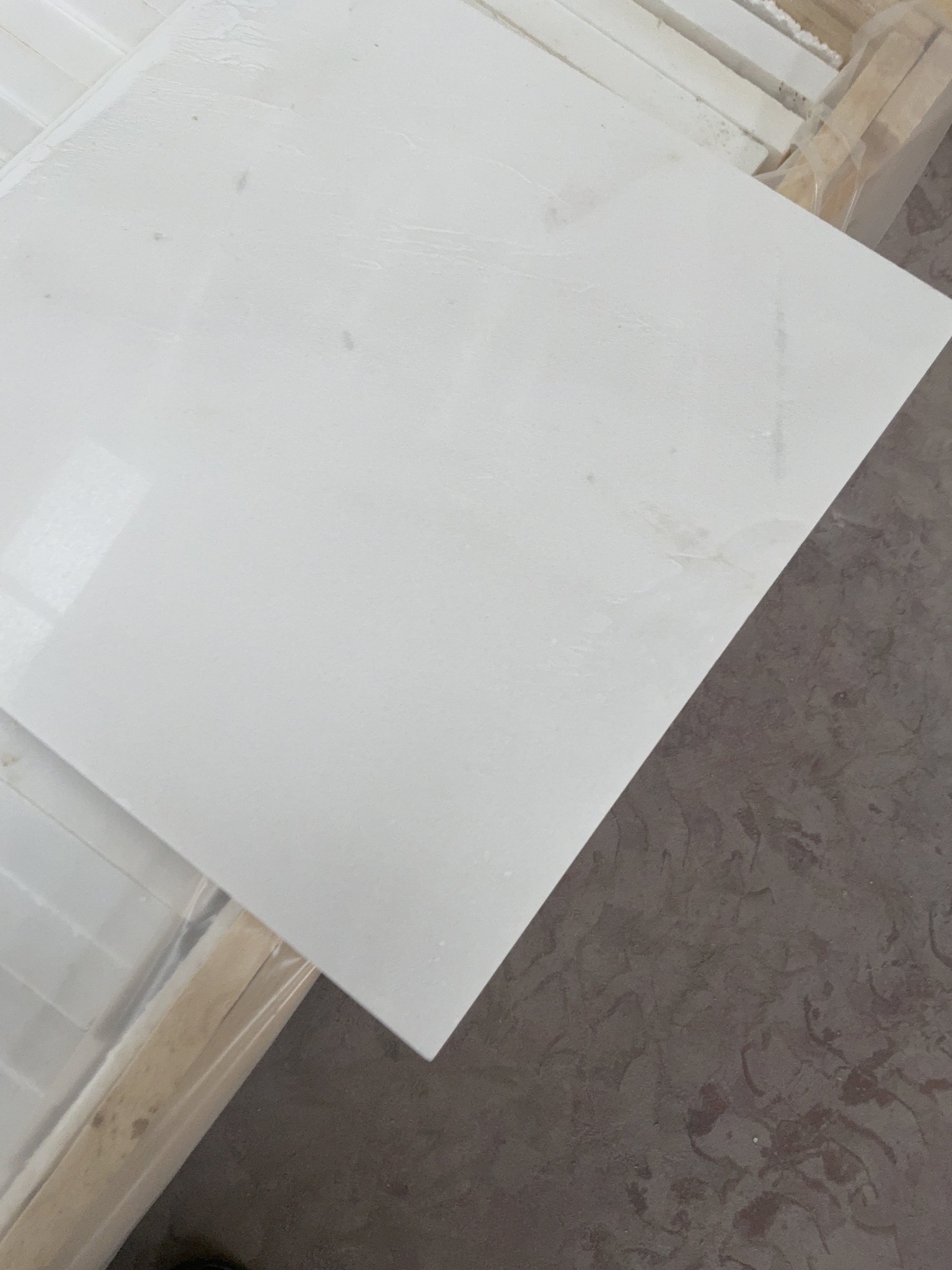
Marble is a natural material, and colour, veining and texture vary between blocks. Problems discovered after a consignment has crossed the world are expensive and slow to fix. Inspection at the source, before packing, is where quality is protected. Typical checks include:
- Colour and veining within the agreed range.
- Thickness within tolerance, here 3 cm.
- Finish, flatness and edge quality.
- Sizes and quantities matched against the schedule.
Agreeing reference samples with the design team at the start gives everyone a shared standard to inspect against.
3. Packing decides what arrives intact
Stone that is perfect at the quarry is only useful if it reaches site in the same condition. Good packing for long-distance shipments generally means strong timber crates or A-frames, separators between slabs, edge and corner protection, and secure strapping so nothing shifts in transit. Clear crate marking, linked to the packing list, saves hours of searching on site.
4. Treat documentation as part of the product
When importing marble, missing or inconsistent paperwork can hold a consignment at port as surely as a physical problem. Commercial invoices, packing lists, bills of lading and certificates of origin need to agree with each other and with the goods. Customs rules and duties change, so work with an experienced clearing agent and check current requirements for every shipment. Our customs clearance team handles this side of the chain.
5. Phase deliveries to match installation
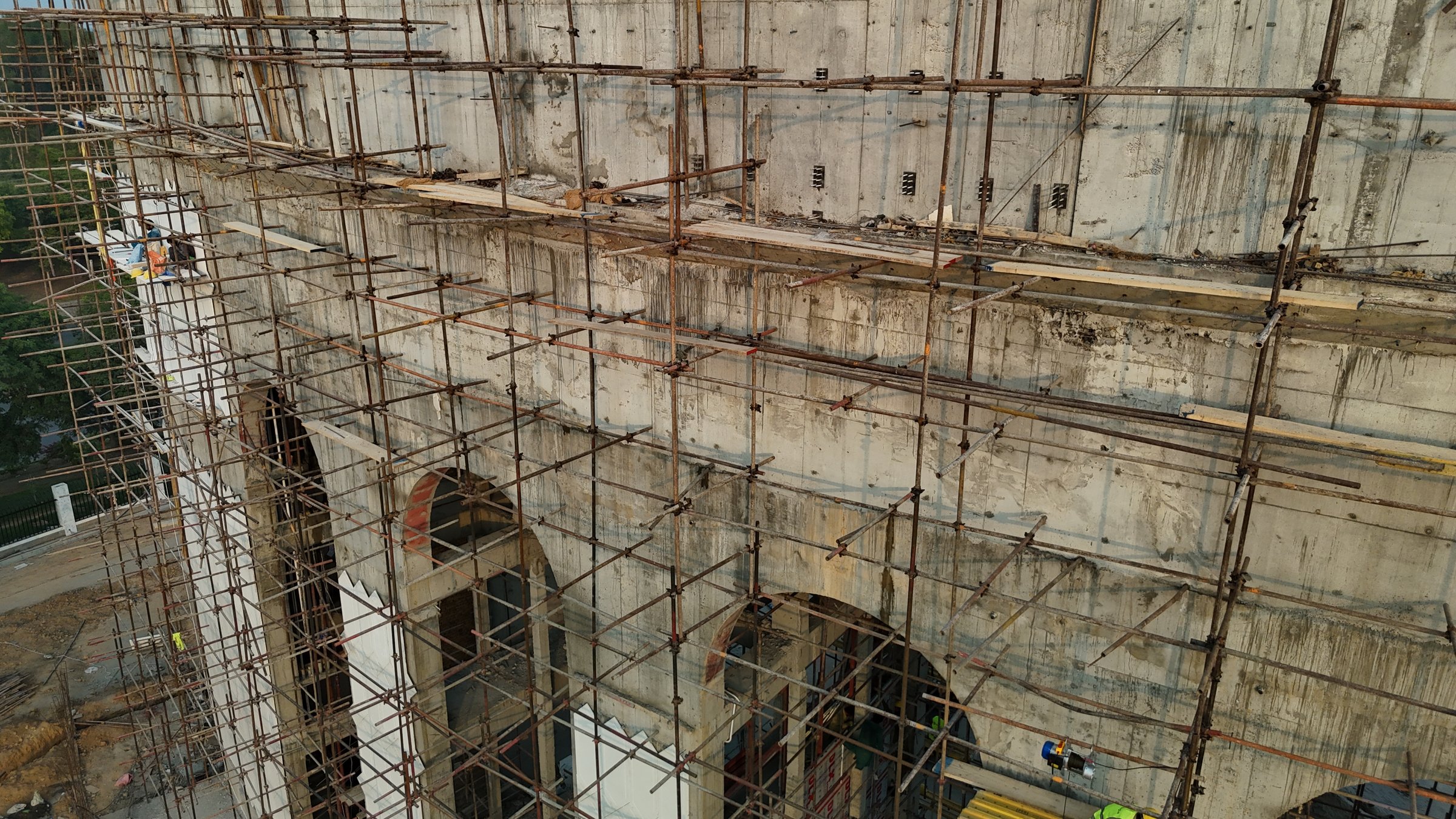
On Yadgar-e-Fatah, installation started on 10 June 2026 while the import continued until 12 August 2026. Around two months of overlap meant supply had to be phased to suit the order of work on site. Some general principles follow from that:
- Agree the installation sequence early and plan consignments around it.
- Prioritise the panels needed first, rather than shipping in whatever order is convenient at source.
- Keep a live schedule shared between the supplier, the logistics team and the site.
- Avoid flooding the site with stone it cannot yet use, which creates storage and damage risks.
6. Keep the chain in one set of hands
Sourcing, shipping, clearance and inland transport are often split between different companies. Every hand-over is a point where information can be lost. Bringing them under one coordinating team makes it easier to track each consignment and respond quickly when plans change. Our marble transport service covers the final leg to site.
We supply marble slabs and manage the import chain for projects across Pakistan. Contact us or email info@prosvogue.com to plan your programme.
Frequently asked questions
How early should I start importing marble for a large project?
Start from the date installation begins and work backwards through sourcing, packing, shipping, clearance and delivery. For large quantities, that usually means months ahead.
Can marble deliveries continue after installation starts?
Yes, if they are planned that way. On Yadgar-e-Fatah, installation began on 10 June 2026 while the import ran until 12 August 2026, with deliveries phased to match the work.
Why inspect marble at source?
Because variations in colour, thickness or finish are far easier and cheaper to resolve before the stone is packed and shipped.
Key topics: importing marble · marble import · Yadgar-e-Fatah · Thassos White · project planning · logistics