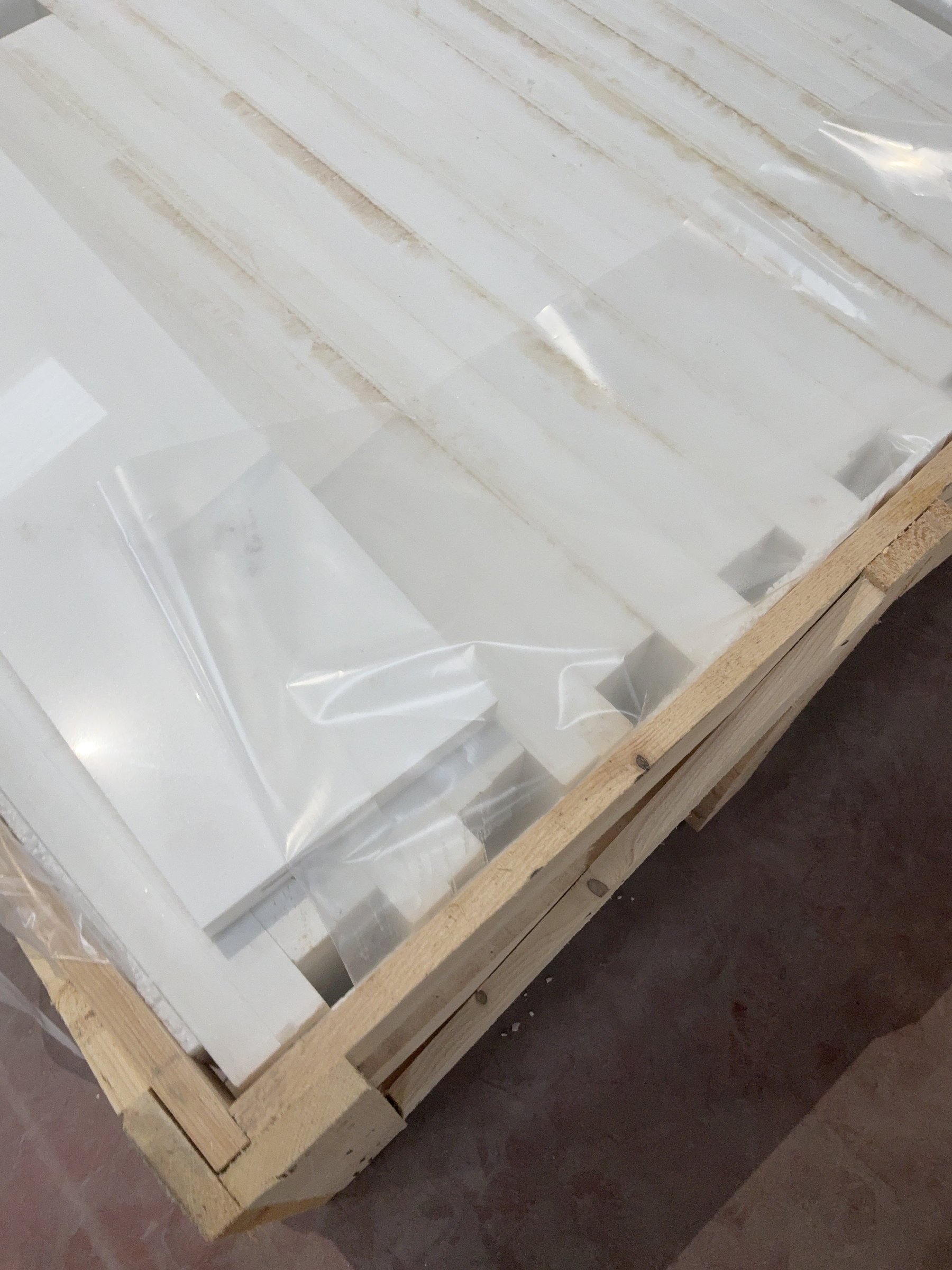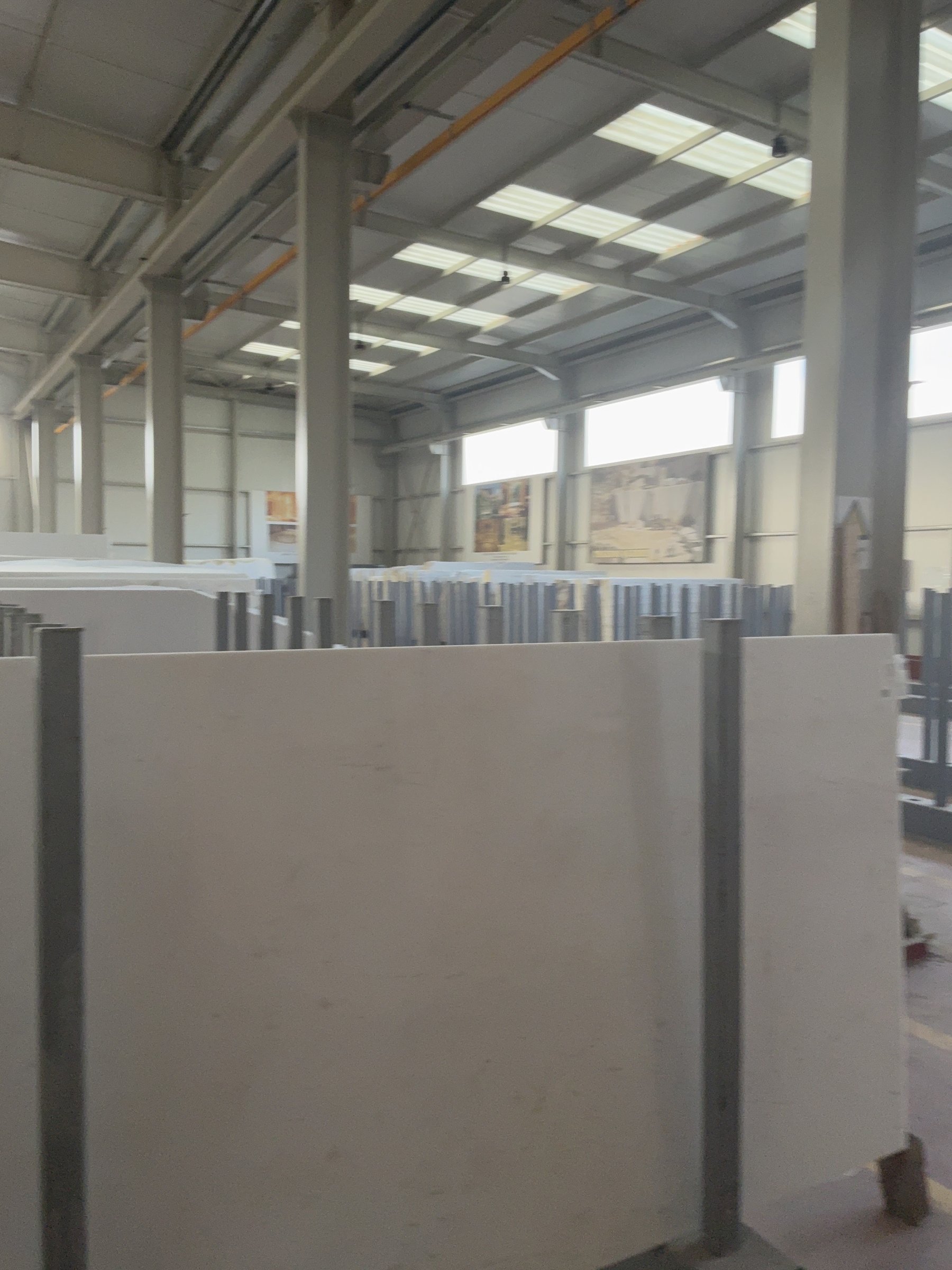
A marble order is won or lost before the crates close. On the Yadgar-e-Fatah monument project, every Thassos White slab was checked at the source in Greece. Here is the checklist we use, and why each step matters.
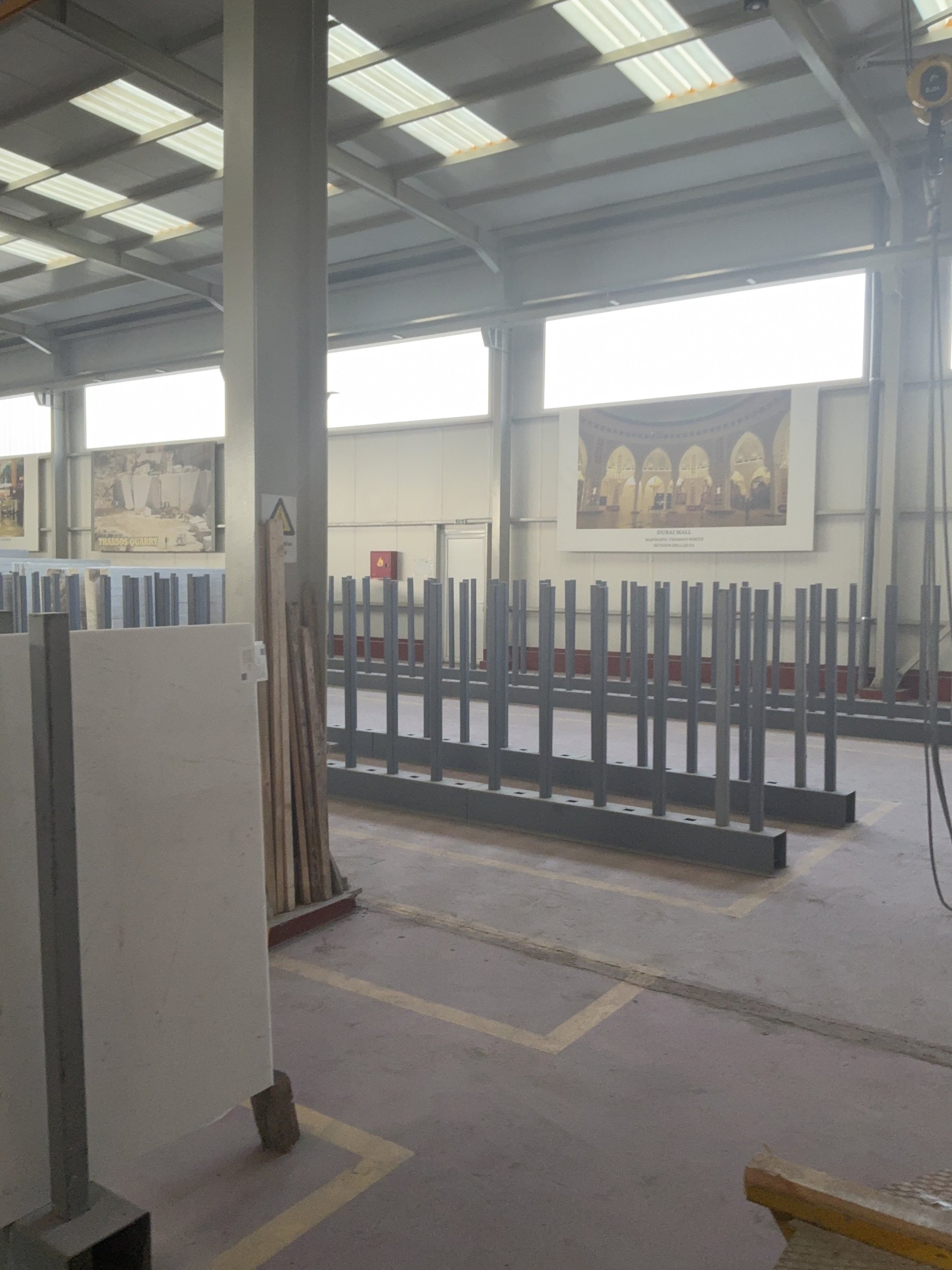
1. Check the slabs standing up
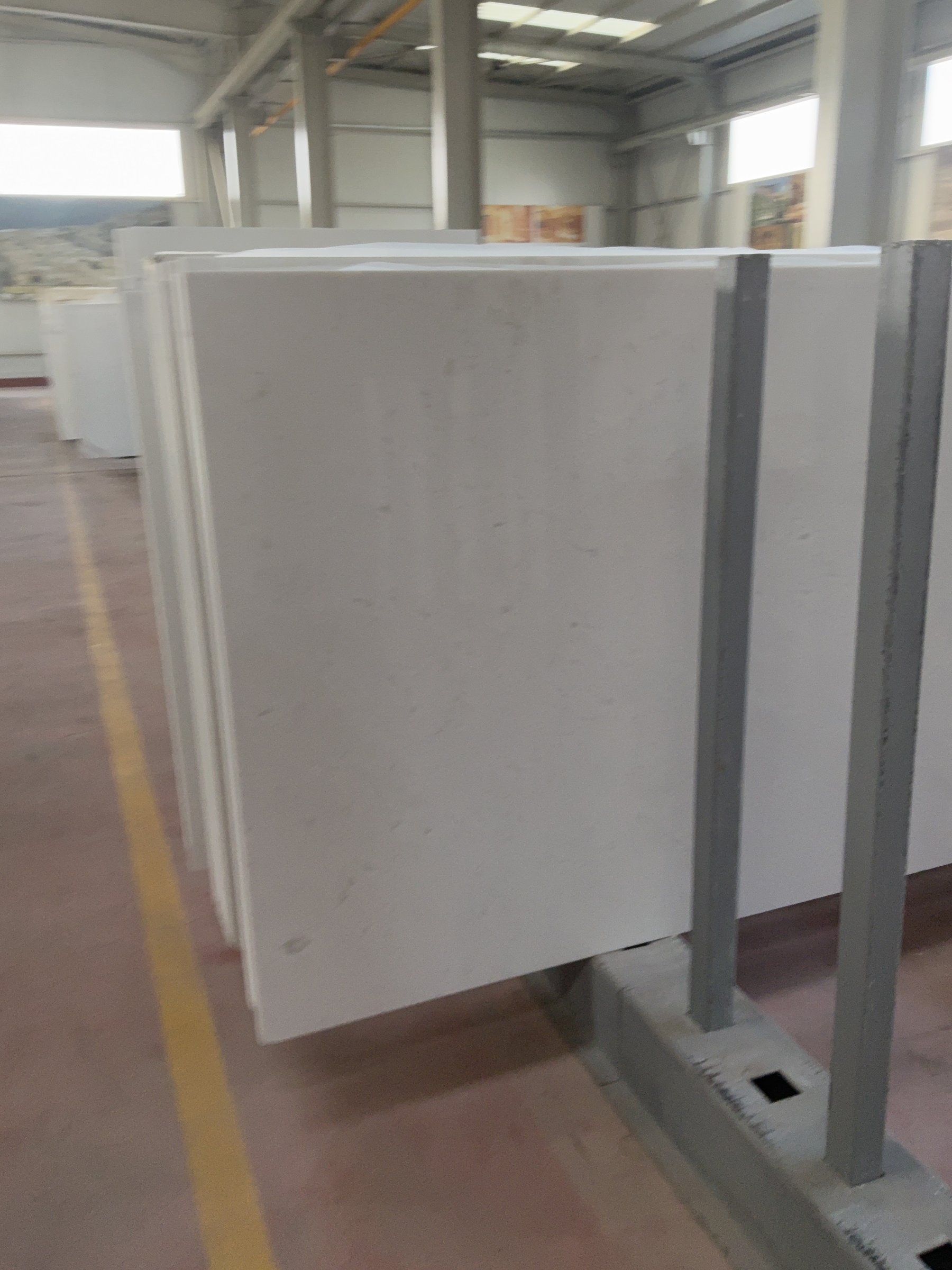
Slabs are inspected upright on steel racks, in daylight. Looking at a slab on a flat table hides colour shifts and surface faults that show up the moment it is fixed to a wall.
2. Compare colour across the whole lot
For a large façade, the real risk is variation between slabs, not a single bad slab. We compare slabs from the same block side by side and set aside pieces that drift in tone or veining.
3. Look at surface, edges and thickness
We check polish, hairline cracks, chipped corners and, for cladding, that thickness is consistent. On this project the specification was 3 cm, so slabs outside tolerance were rejected.
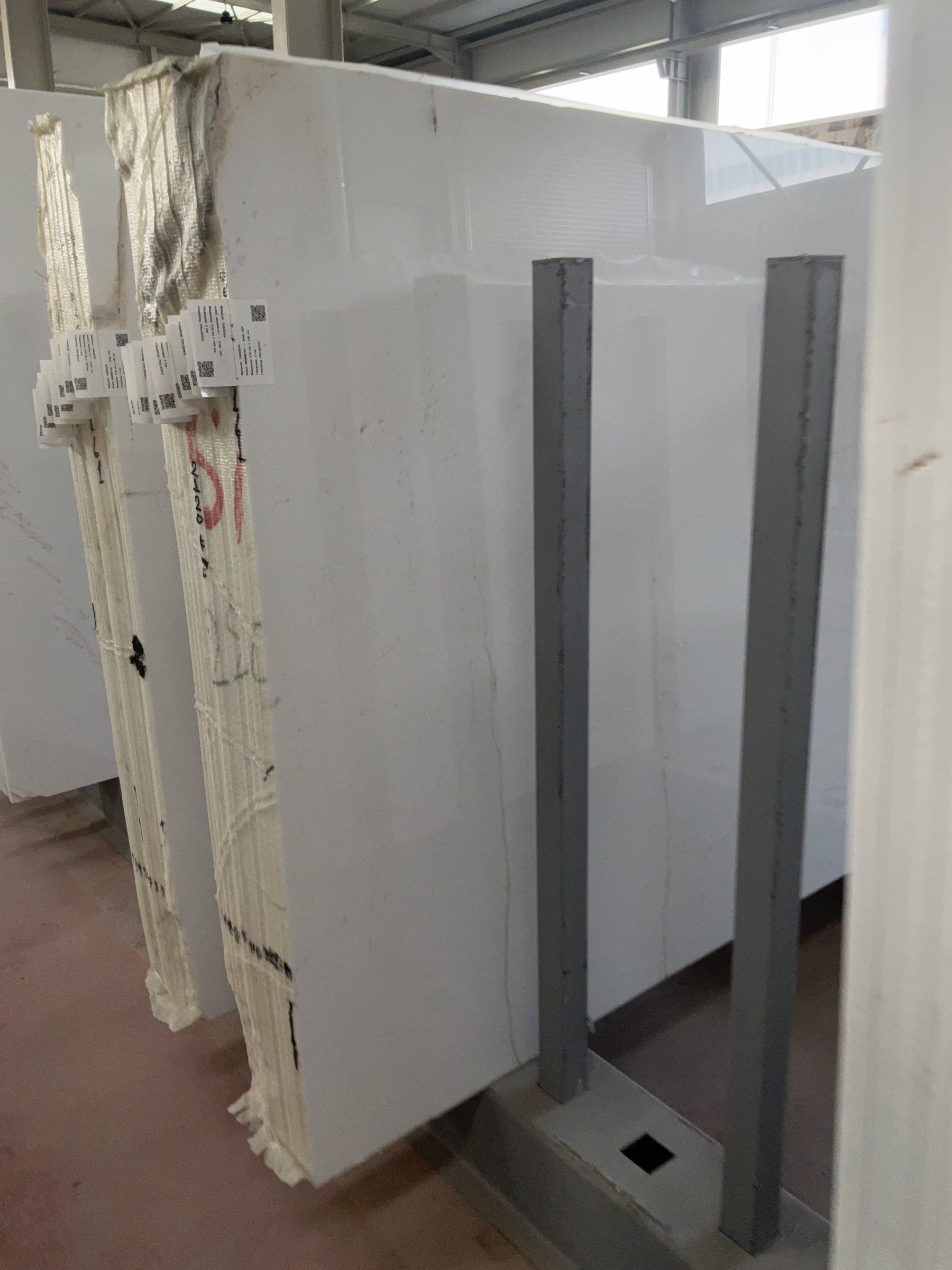
4. Tag everything
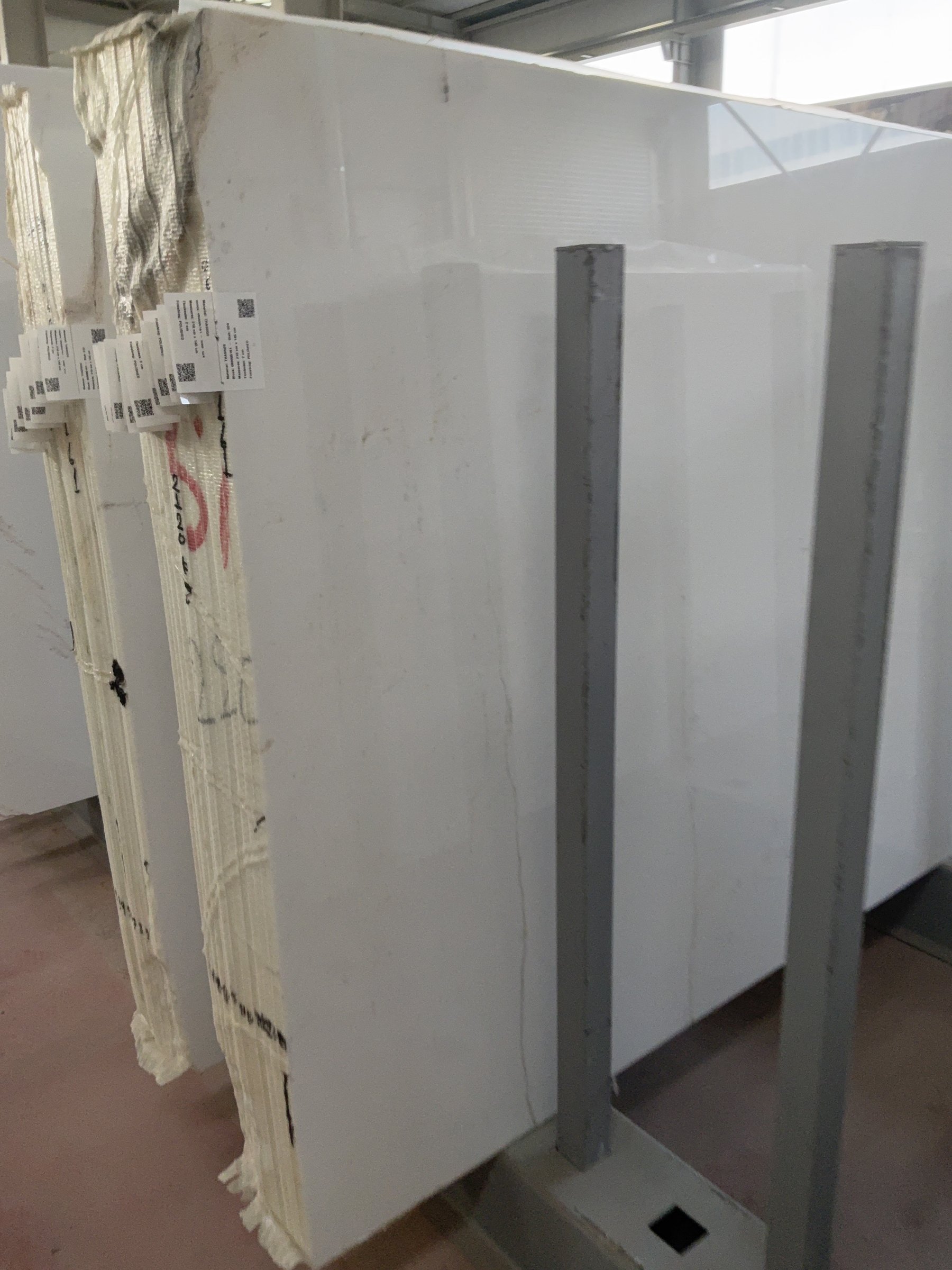
Each bundle gets labels and QR codes so a slab can be traced from the yard to the wall. Traceability makes it easy to resolve a question months later.
5. Pack for a long journey
Slabs are wrapped in protective film and packed into wooden crates. Poor packing is a common cause of broken stone, and a crate that arrives intact saves weeks.
A quick checklist you can copy
- Inspect slabs upright, in daylight
- Compare colour and veining across the full lot
- Measure thickness and flatness
- Check edges, corners and polish
- Label and photograph every bundle
- Confirm packing method before loading
Prosvogue arranges selection, packing, freight and clearance. Talk to Prosvogue at our contact page or info@prosvogue.com.
Frequently asked questions
Why inspect marble before shipping?
Faults found in the yard cost far less to fix than faults found on site.
Can Prosvogue inspect marble for my project?
Yes. We source and inspect imported marble and manage shipping to Pakistan.