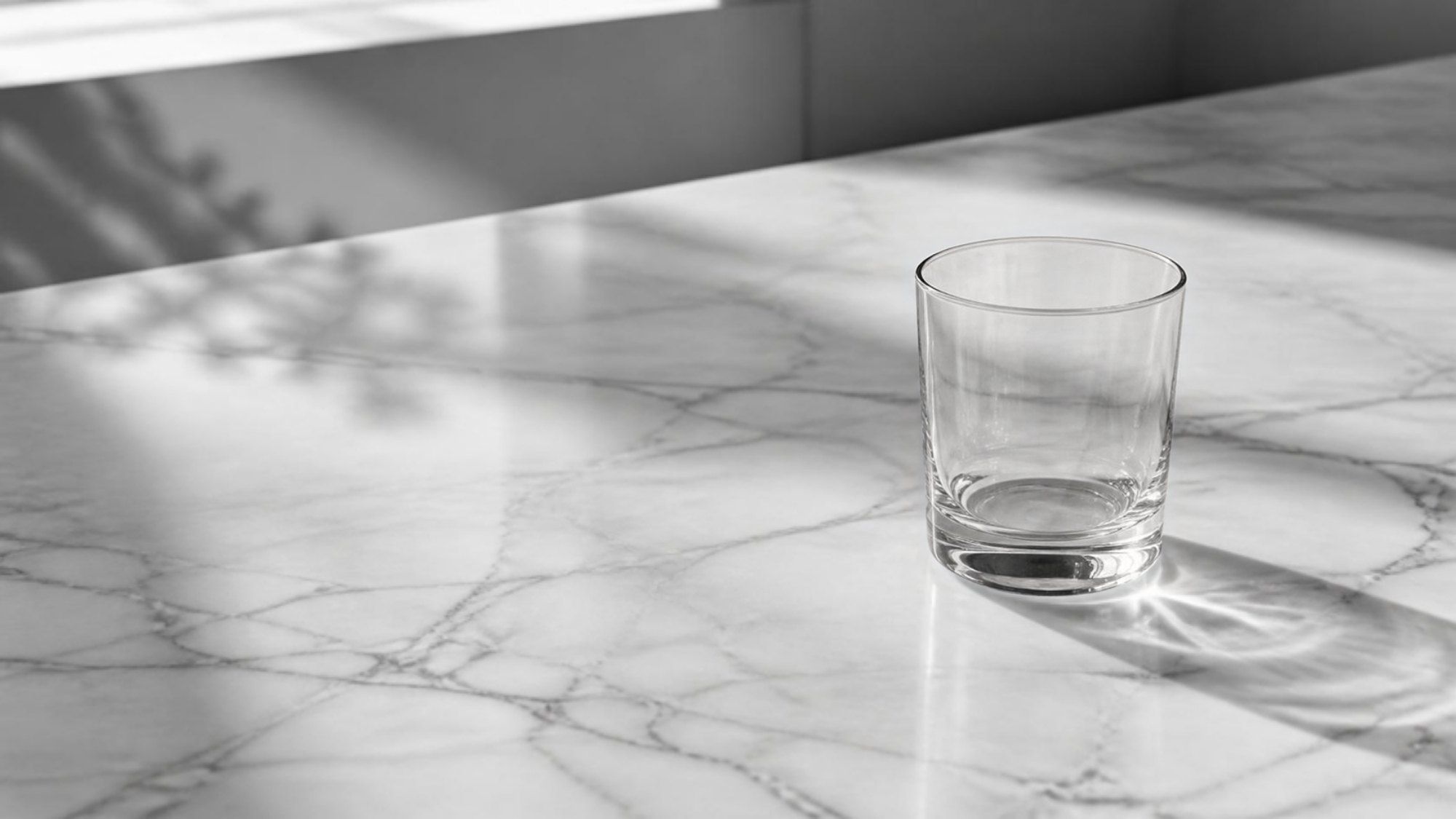
Natural stone has a long history in the kitchen, and marble kitchen countertops have been used by bakers and cooks for centuries, and they remain one of the most admired surfaces in a kitchen. They are also one of the most debated. Marble will change over time, and owners who are happy with a lived-in look tend to love it. If you want a surface that stays exactly as it was on day one, it pays to understand what marble can and cannot do.
The advantages of marble counters
- Timeless appearance: natural veining and depth that suit both classic and modern kitchens.
- Naturally cool: ideal for rolling dough, chapati preparation and pastry.
- Heat resistance: marble is not damaged by brief contact with warm pans, though thermal shock and very hot cookware should be avoided.
- Repairable: etches, light scratches and many stains can be removed by honing and re-polishing.
- Unique: no two kitchens look the same.
The drawbacks to consider
- Etching: lemon juice, vinegar, tomato, yoghurt and some cleaners leave dull marks.
- Staining: oil, turmeric, tea and coffee can stain if left, especially on light stone.
- Scratching: marble is softer than granite and quartz, so knives and grit can mark it.
- Patina: over years the surface develops a worn character. Many people like this; some do not.
Choosing marble kitchen countertops: finish, thickness and edges
Finish: a honed finish hides etching far better than polished marble, which is why many designers recommend it for kitchens. Polished marble resists stains slightly better but shows every etch.
Thickness: 2 cm and 3 cm slabs are both common. A 3 cm counter is stiffer and can span longer runs and overhangs with less support, while 2 cm slabs are often built up at the edge for a thicker look. Your fabricator will advise on support for sinks, hob cut-outs and overhangs.
Edges: eased or slightly rounded edges chip less than sharp square edges in busy kitchens.
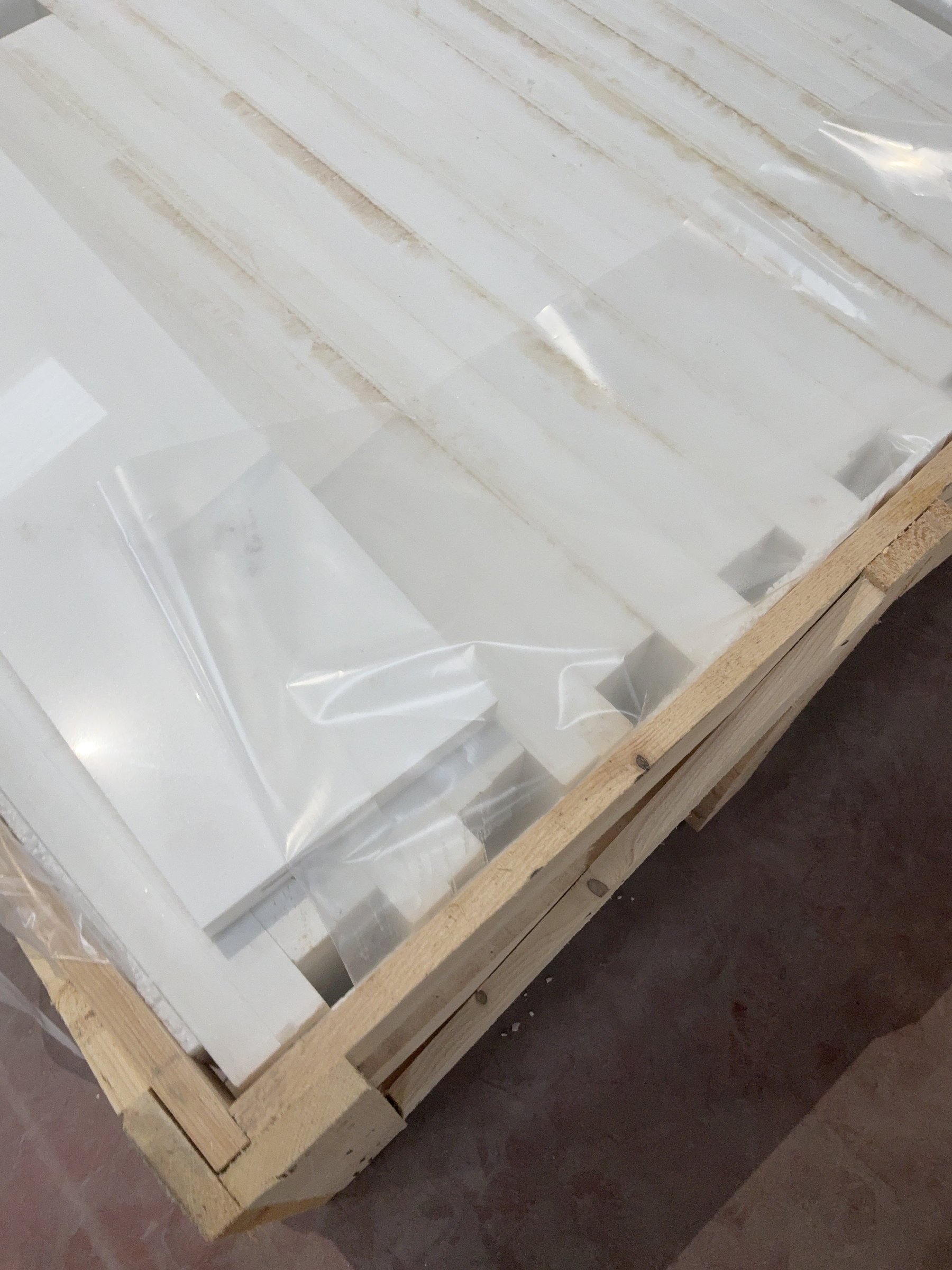
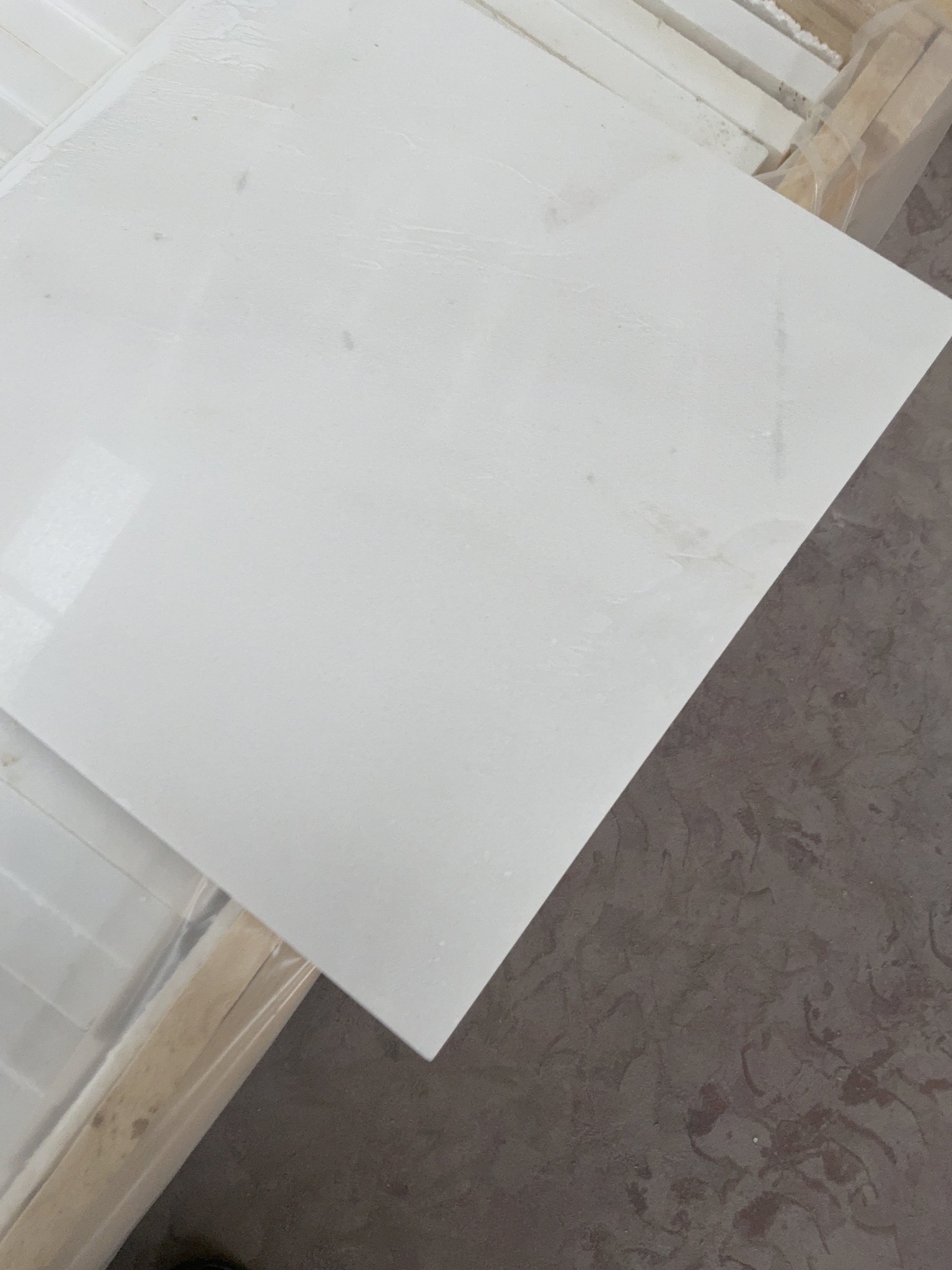
Stone choice: denser white marbles with fine grain, such as Thassos Snow White, and veined stones like Volakas are popular choices. View the full slab before cutting so veining can be placed well around the sink and hob.
Daily care for marble counters
- Wipe spills promptly, especially acidic or coloured ones.
- Use chopping boards; never cut directly on the stone.
- Use trivets under very hot pots and tawas.
- Clean with warm water and a pH-neutral stone cleaner.
- Avoid vinegar, lemon-based sprays and abrasive powders.
- Use coasters under glasses, especially for juice and fizzy drinks.
- Test the seal regularly with a few drops of water and oil, and reseal when the stone darkens.
Is marble right for your kitchen?
Marble suits households that enjoy natural materials and accept gentle signs of use. If your kitchen sees heavy daily cooking with lots of acidic ingredients and you want a pristine look, consider marble for an island or baking area and a tougher surface around the hob. Precise templating and cut-to-size marble make it easy to combine materials neatly.
Living with patina
Many of the world’s most admired kitchens have marble counters that are decades old, softly etched around the sink and smoothed by years of use. That patina is part of the appeal. If you prefer a crisp surface, plan for occasional professional honing and polishing rather than expecting the stone never to change. Either way, marble remains a natural, long-lasting material that can be renewed instead of replaced.
We can help you choose slabs and finishes that suit how you cook. Browse marble slabs or contact us.
Frequently asked questions
Do marble countertops stain easily?
They can, particularly light marbles. A good penetrating sealer and prompt wiping prevent most stains.
Is honed or polished marble better for kitchens?
Honed is usually more forgiving because etch marks blend in, but it needs reliable sealing.
Can I put hot pans on marble?
Marble tolerates heat well, but a trivet protects against thermal shock, discolouration of resin fills and damage to the sealer.
Key topics: marble kitchen countertops · kitchen design · marble counters · honed marble · stone sealing · kitchen care