Solar is no longer a luxury in Pakistan, but the right system depends on how you use power and how reliable your grid is. Here is a plain-language guide to the three main types.
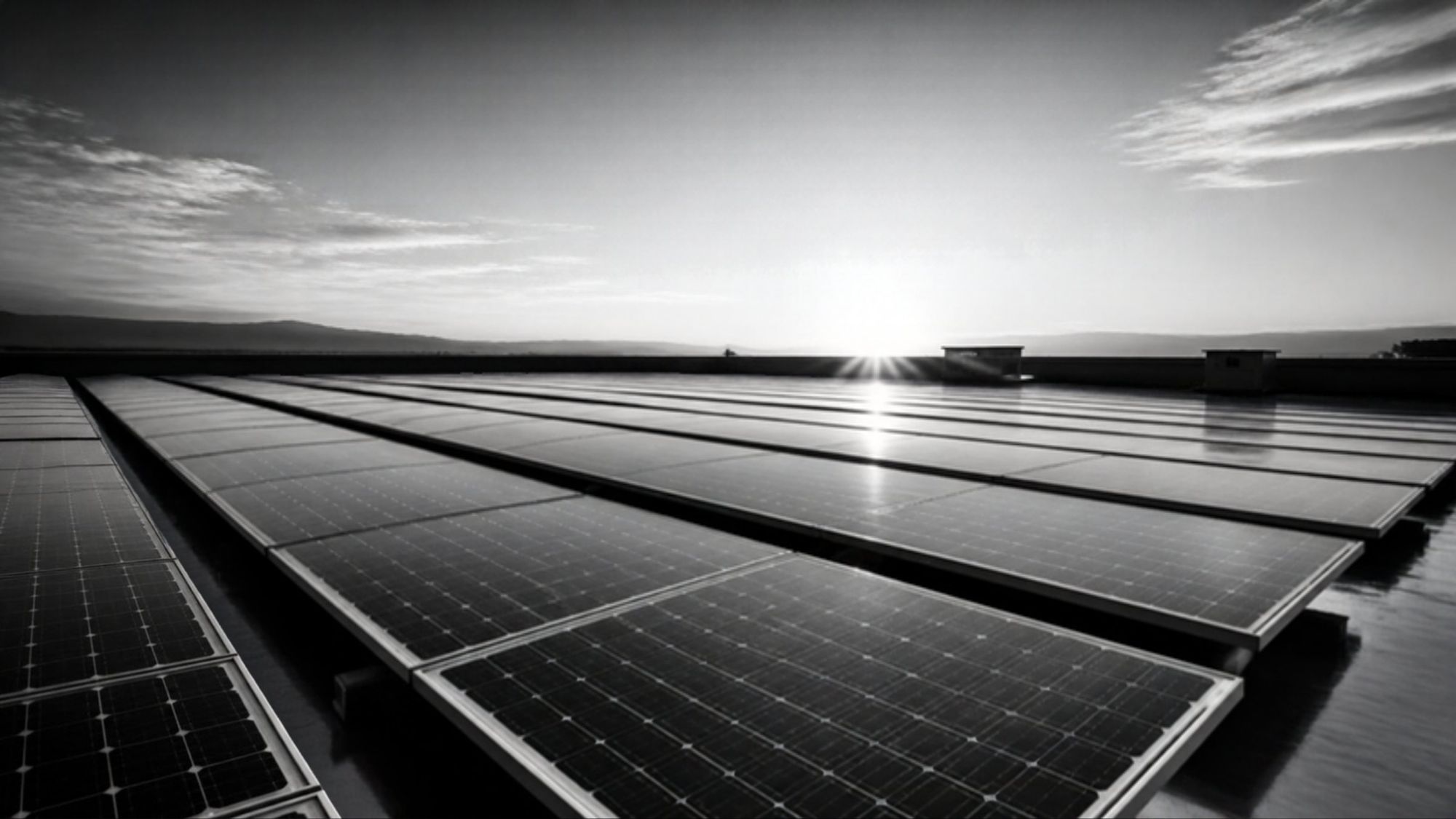
On-grid (grid-tied)
Panels feed power into your building and the grid. There are no batteries, so costs are lower. Where net metering is available, surplus power can be exported. These systems usually shut down during a grid outage, for safety.
Off-grid
The building runs entirely on solar and batteries, with no grid connection. This suits remote sites, but batteries add cost and need sizing carefully.
Hybrid
A hybrid system combines panels, batteries and the grid. It keeps essential loads running during outages and uses the grid as backup. It is the most flexible choice for places with frequent load-shedding.
How to choose
- Reliable grid, daytime use: on-grid.
- Frequent outages: hybrid.
- No grid: off-grid.
Questions to ask before you buy
- What is my daily and peak load?
- How many hours of backup do I need?
- What panel, inverter and battery warranties are offered?
- What are the current net-metering terms with my distribution company? Rules change, so check the latest.
See our solar solutions: on-grid, off-grid and hybrid systems. Talk to Prosvogue at our contact page or info@prosvogue.com.
Frequently asked questions
Which solar system is best for a home?
It depends on your outages and budget. Hybrid suits homes with frequent load-shedding; on-grid suits stable supply.
Do solar systems need batteries?
Off-grid and hybrid do. On-grid systems usually do not.