
A realistic home renovation budget is the difference between a project that finishes calmly and one that stalls half-way with bare walls and unpaid contractors. In Pakistan, where material prices can move quickly and many jobs are done by separate trades, a clear method matters more than any single figure. This guide explains how to build a budget step by step, without quoting prices that would soon be out of date.
Step 1: Define the scope clearly
Most budget problems start with an unclear scope. Walk through the house and write down exactly what you want to change, room by room. Separate needs from wants:
- Essential work: structural repairs, damp and seepage, roof waterproofing, unsafe wiring, plumbing leaks.
- Improvements: new kitchen, washrooms, flooring, false ceilings, lighting, wardrobes.
- Nice to have: feature walls, decorative stone, smart home upgrades, landscaping.
Fix essential problems before cosmetic ones. Polishing new marble floors over a slab with seepage, or painting over cracked plaster with faulty wiring behind it, wastes money.
Step 2: Break the work into trades and items
Divide the project into the trades that will carry it out: demolition, civil work and masonry, plumbing, electrical, plaster and paint, flooring, carpentry and woodwork, aluminium and glass, and fixtures and fittings. Under each trade, list the items and quantities. For example, flooring should be broken down by room, area in square feet, material, skirting and installation.
This list becomes the backbone of your budget. It lets you collect comparable quotes and see clearly where the money goes.
Step 3: Gather quotes the right way
- Get at least two or three quotes for each major trade, based on the same item list.
- Check whether quotes are labour only, or include materials.
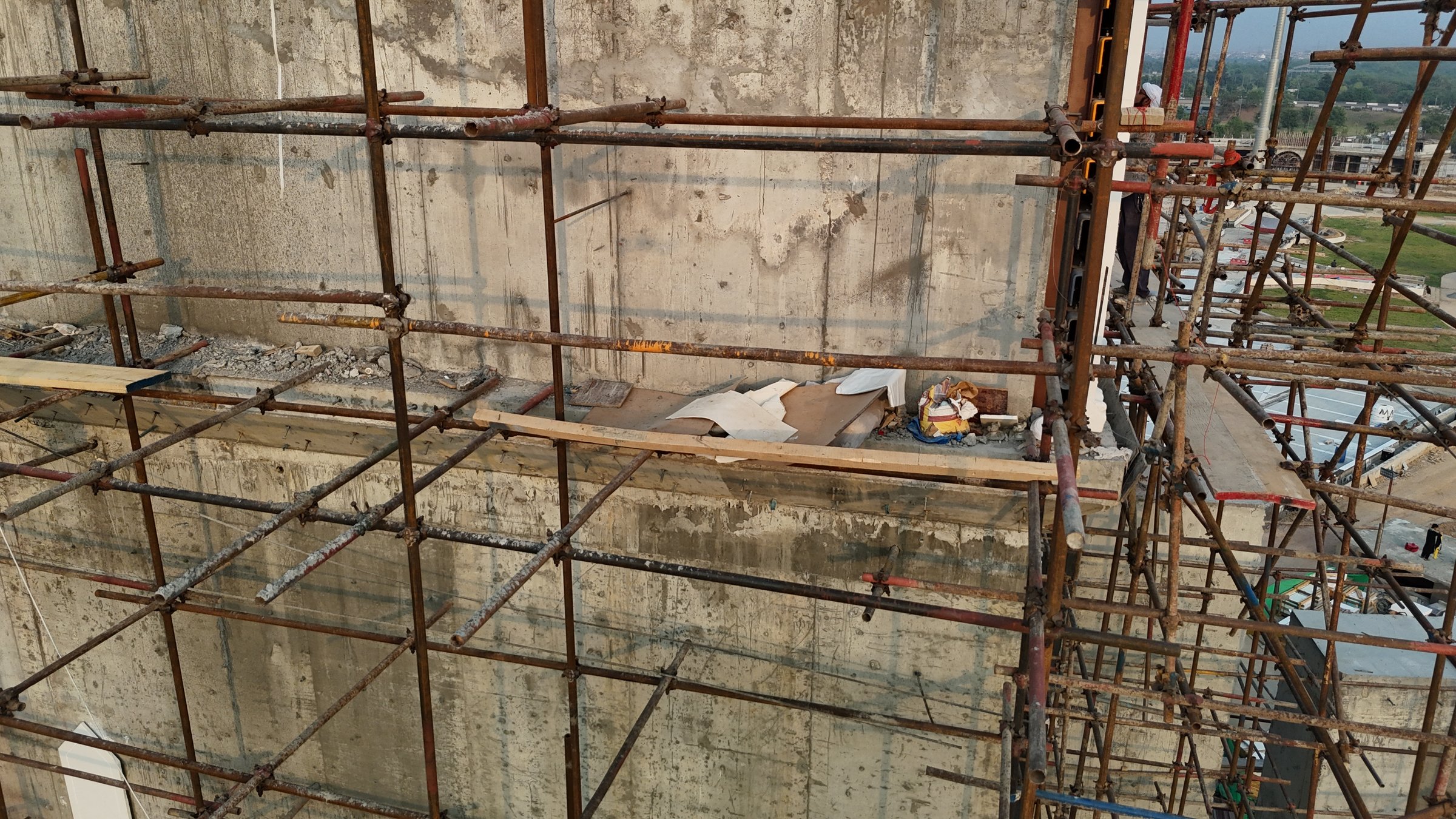
- Ask what is excluded, such as debris removal, transport, scaffolding or repairs found later.
- Ask for material brands, grades and thicknesses in writing so quotes are truly comparable.
- Agree payment stages linked to completed work, not to dates alone.
Because material prices in Pakistan can change with exchange rates and supply, ask how long each quote is valid, and consider buying long-lead items early once the design is fixed.
Step 4: Build the home renovation budget sheet
A simple spreadsheet works well. Use columns for trade, item, quantity, unit, material cost, labour cost, total, amount paid and balance. Add rows for costs that people often forget:
- Design or consultancy fees, and drawings if approvals are required.
- Debris removal and site cleaning.
- Transport and handling of heavy materials such as stone and tiles.
- Temporary accommodation or storage if you move out during work.
- Wastage allowance on tiles, stone and wood.
- Utility reconnections and any society or authority requirements.
Then add a contingency: a reserve kept aside for problems that only appear once walls and floors are opened, such as hidden damp, rotten pipes or weak slabs. Older houses generally need a larger reserve than newer ones.
Step 5: Sequence the work sensibly
The order of work affects cost. Rework is expensive, so follow a logical sequence: structural and waterproofing work first, then hidden services such as plumbing, electrical conduits and AC piping, then plaster and ceilings, then flooring, then carpentry and fixtures, and finally paint and finishing touches. Protect finished floors, especially natural stone, while other trades are still working.
Step 6: Track spending as you go
- Record every payment against the relevant line in your sheet.
- Keep receipts and written agreements for all trades.
- Review the sheet weekly and compare actual spend with the plan.
- Approve changes in writing, with their cost, before work starts.
- If you go over in one area, decide where to save elsewhere straight away.
Prosvogue supplies marble slabs and cut-to-size marble, and delivers building construction work in Pakistan. Contact us or email info@prosvogue.com.
Frequently asked questions
How much contingency should I keep?
It depends on the age and condition of the house and how much is unknown. Older properties with hidden services usually need a larger reserve.
Should I buy materials myself or let contractors buy them?
Buying yourself gives control over brand and quality but takes time. Either way, specify materials in writing.
How do I avoid going over budget?
Fix the scope before starting, use an itemised budget, agree changes in writing and track spending every week.
Key topics: home renovation budget · renovation planning · contingency · cost estimate · house renovation Pakistan · project management