When a Pakistani business imports machinery, stone, steel or solar equipment, one of the first decisions is how the goods will travel. The sea freight vs air freight question is rarely about which mode is better in general; it is about which one suits the weight, value and urgency of a particular shipment. This guide sets out the main differences and the questions that usually settle the choice.
How the two modes charge
Understanding how freight is priced explains most of the difference.
- Air freight is charged on chargeable weight, which is the greater of the actual weight and the volumetric weight. Dense, heavy goods are therefore charged on their full weight, which becomes expensive quickly.
- Sea freight is charged per container for full container loads, or by volume or weight for shared (LCL) shipments. A container can carry many tonnes, so the cost per kilogram for heavy goods is usually far lower.
Both modes also carry surcharges, handling fees and local charges at each end. These vary with season, fuel prices and carrier, so always compare complete quotations rather than headline rates.
Sea freight vs air freight: the key differences
| Factor | Sea freight | Air freight |
|---|---|---|
| Best for | Heavy, bulky, lower-value-per-kilo goods | Light, urgent, high-value goods |
| Transit | Longer, often weeks | Shorter, often days |
| Size and weight limits | Generous; special equipment for oversized cargo | Restricted by aircraft doors and floor loading |
| Handling | Containerised, fewer touches for FCL | Palletised, frequent handling at hubs |
| Typical goods | Marble, steel, machinery, solar panels in volume | Spare parts, samples, electronics |
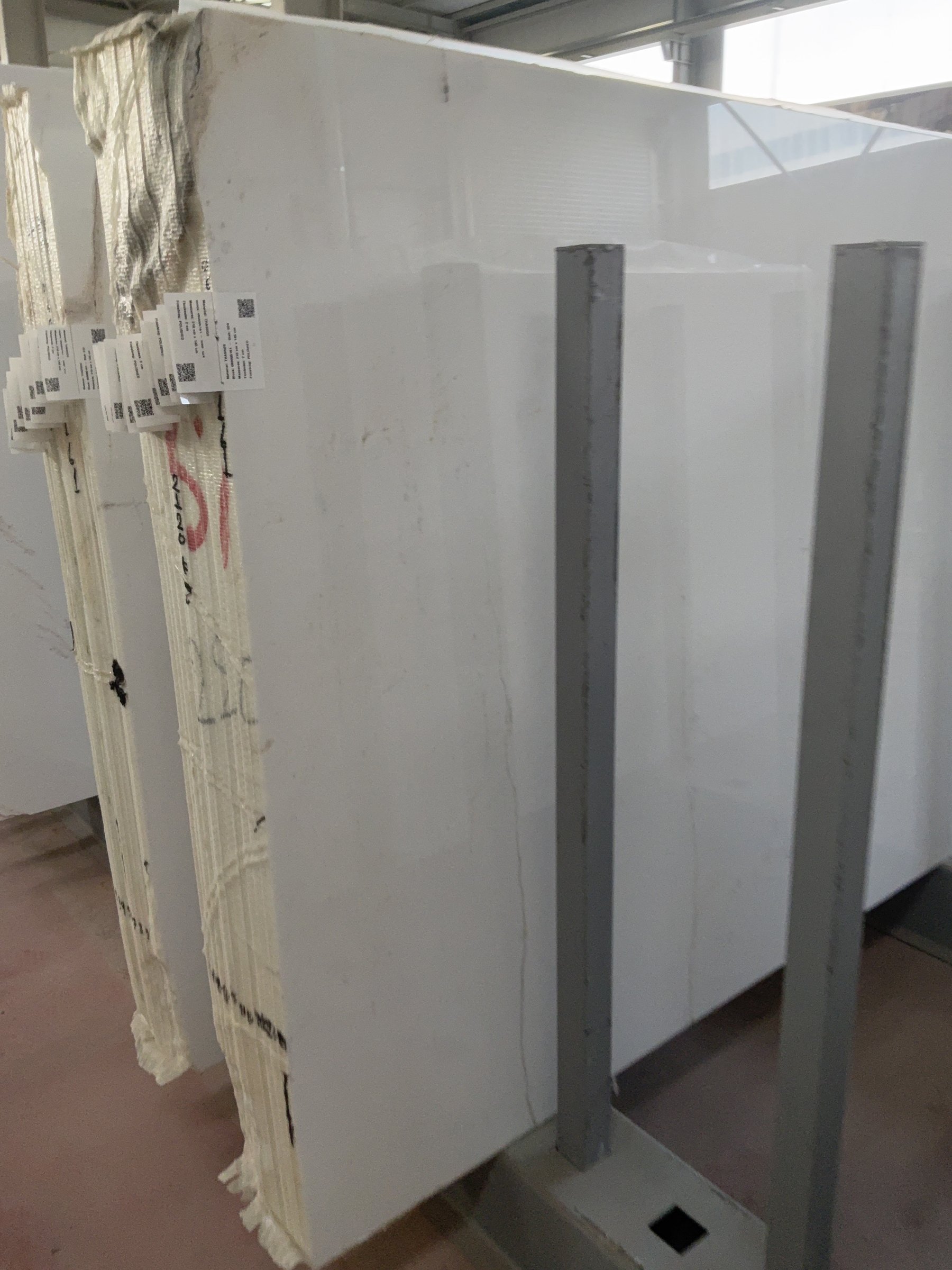
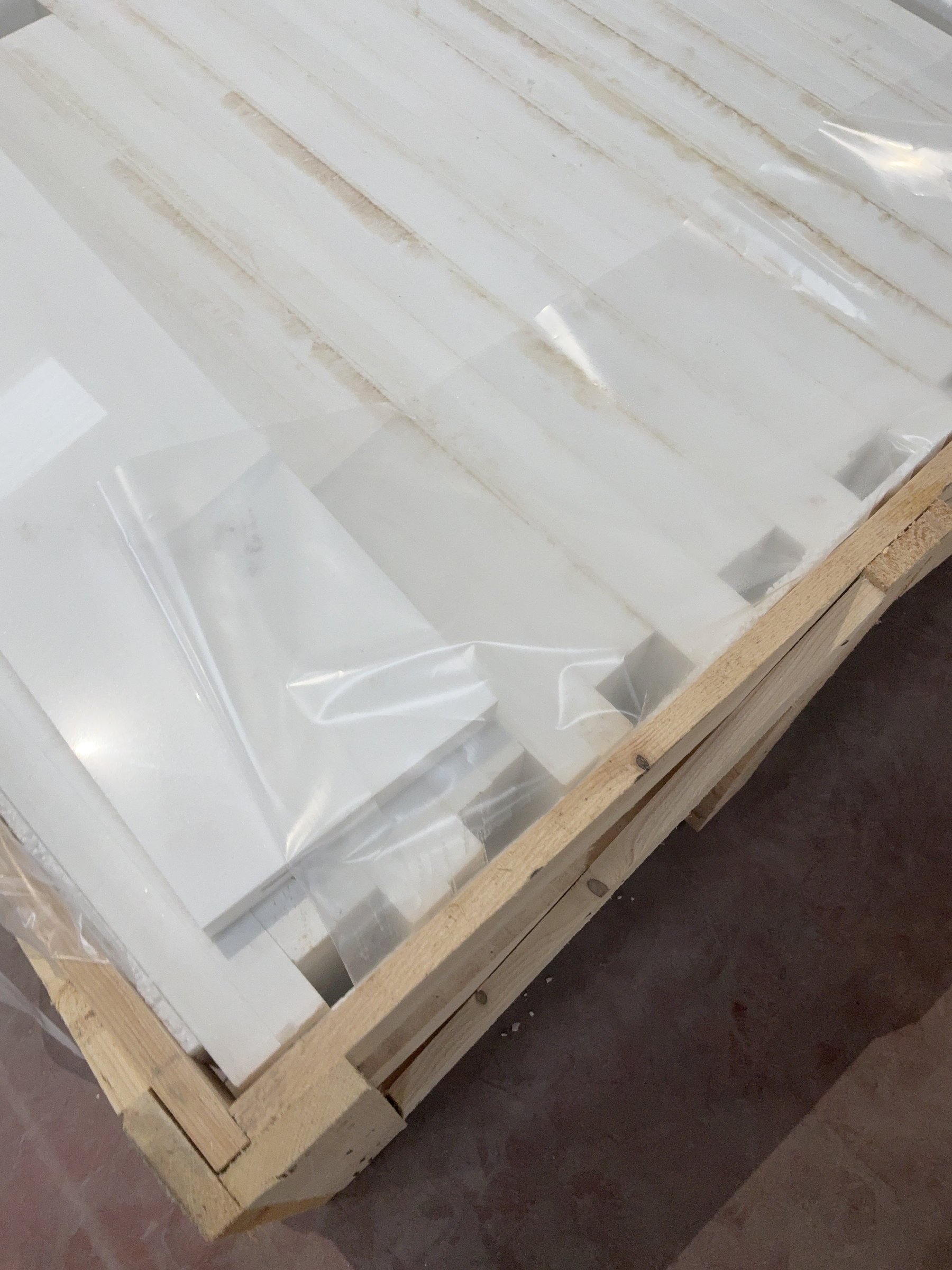
For a business importing marble slabs or plant equipment, sea is almost always the practical route. Air becomes relevant when a single component is holding up a whole project.
When air freight makes sense for heavy goods
Air is not only for small parcels. It can be the right choice when:
- a breakdown has stopped a site and a replacement part is needed urgently;
- a sample or small batch is needed to approve a larger order;
- the goods are valuable enough that freight is a small part of their cost;
- delay would cost more than the freight premium, for example penalty clauses on a contract.
In these cases the useful calculation is not freight cost alone but the cost of waiting. A day of idle crew and equipment can outweigh the difference between modes.
When sea freight is the better choice
For most heavy imports into Pakistan, sea freight is the default, especially when:
- the cargo is dense, such as stone, steel or batteries;
- there is enough lead time in the project schedule;
- the cargo is oversized and needs flat racks or open-top containers;
- the order is large enough to fill one or more containers.
Good planning is what makes sea freight work. Order early, allow time for documents and clearance, and build in a buffer for vessel delays or port congestion.
Other factors to weigh
Dangerous goods rules
Some items, including certain lithium batteries used in solar battery systems, fall under dangerous goods regulations. Rules differ between air and sea and are updated from time to time, so check current requirements with your forwarder before booking.
Damage risk
Air cargo is handled more often but for a shorter time. Sea cargo spends longer in transit but, in a full container, is touched less. Either way, packing quality matters more than mode.
Clearance and onward transport
Both modes need customs clearance on arrival and transport to the final destination. For inland cities such as Islamabad, consider how the goods will move from the port or airport, and whether clearance is better done at the port or at an inland facility.
A simple decision checklist
- What is the actual and volumetric weight of the shipment?
- When is the latest date the goods can arrive without delaying work?
- What would a week of delay cost the project?
- Are there size, weight or dangerous goods restrictions?
- Can the order be split, with an urgent part by air and the balance by sea?
Splitting shipments is often overlooked. Flying a small first batch while the rest travels by sea can keep a project moving without paying air rates on everything.
We arrange both international air freight and sea freight, plus clearance and delivery. Contact us or email info@prosvogue.com with your cargo details.
Frequently asked questions
Is air freight always faster than sea freight?
Flight time is far shorter, but door-to-door speed also depends on booking, documents, clearance and onward transport. Air is usually faster overall, though delays at either end can narrow the gap.
Can very heavy machinery go by air?
Some can, on freighter aircraft, but weight and size limits are strict and costs are high. Most heavy plant goes by sea, often on flat racks or open-top containers.
How do I compare quotations fairly?
Ask for an all-in quote covering origin charges, freight, surcharges and destination charges, and confirm what the Incoterm leaves for you to pay. Rates change often, so check validity dates.
Key topics: sea freight vs air freight · heavy cargo · sea freight · air freight · chargeable weight · imports Pakistan