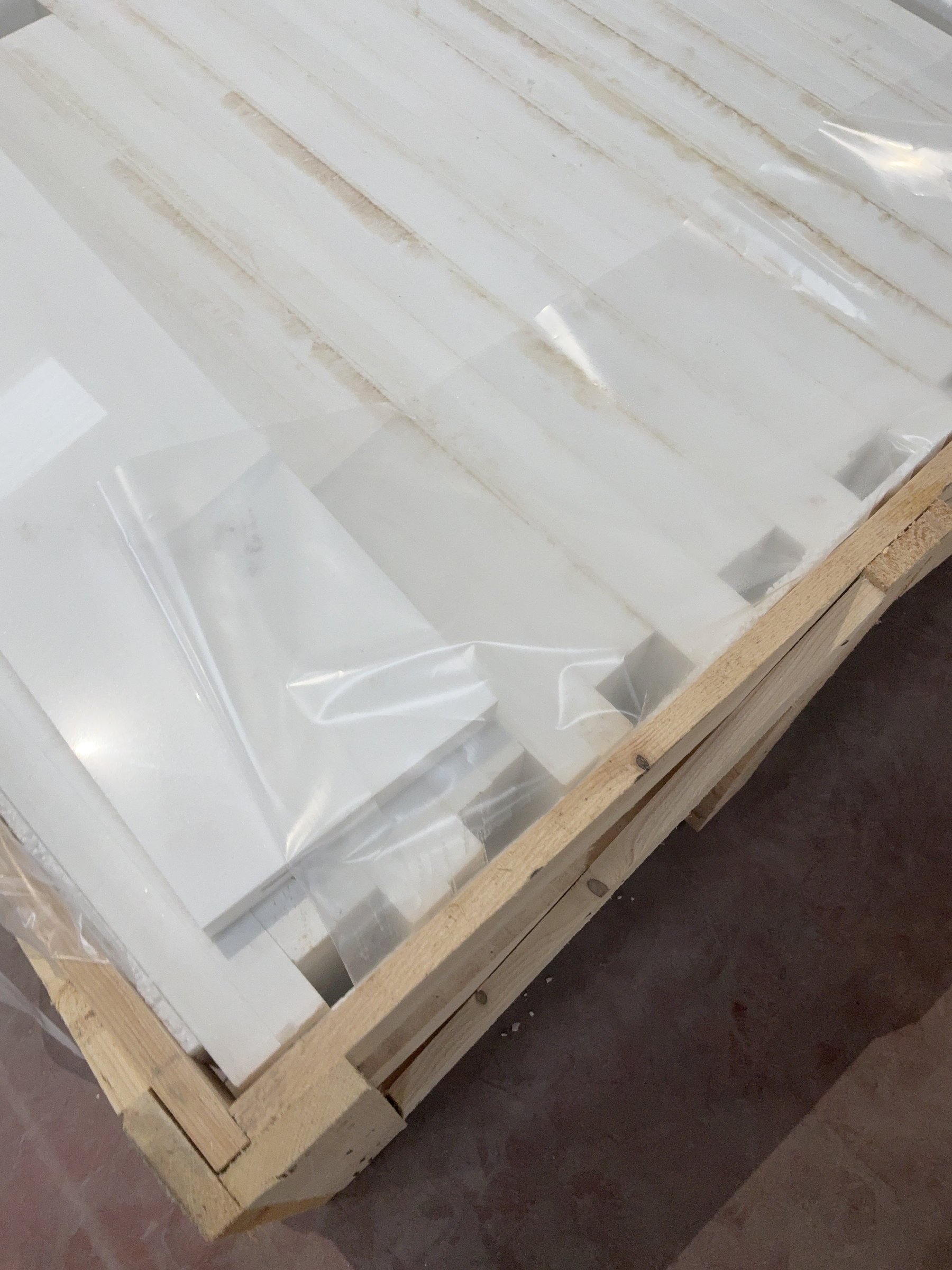

When it comes to stone care, sealing marble is one of the most misunderstood parts of stone care. Some owners believe a sealer makes marble bulletproof; others skip it entirely. The truth sits in between. A good sealer reduces how quickly liquids soak into the stone, giving you time to wipe up spills before they become stains. It does not stop scratches, and it does not stop acids from etching the surface.
What a marble sealer actually does
Marble has tiny pores and micro-fissures between its crystals. Liquids such as oil, tea, coffee or rusty water can move into these spaces and leave a mark that does not wipe off. A penetrating (impregnating) sealer soaks into those pores and lines them with a water- and oil-repellent layer. Once cured, the sealer sits inside the stone rather than on top, so it does not change the look of the surface much and does not peel.
Topical coatings, by contrast, form a film on the surface. They are rarely recommended for natural marble floors because they can scratch, wear unevenly in traffic lanes and trap moisture beneath them.
Why sealing marble matters in Pakistani homes and projects
- Cooking: oils, turmeric and spices are common stain sources in kitchens and dining areas.
- Hard water: mineral-rich water can leave deposits around taps, vanities and showers.
- Dust and monsoon moisture: exterior and semi-exterior marble picks up dirt and water, and sealing reduces the risk of darkening and biological staining.
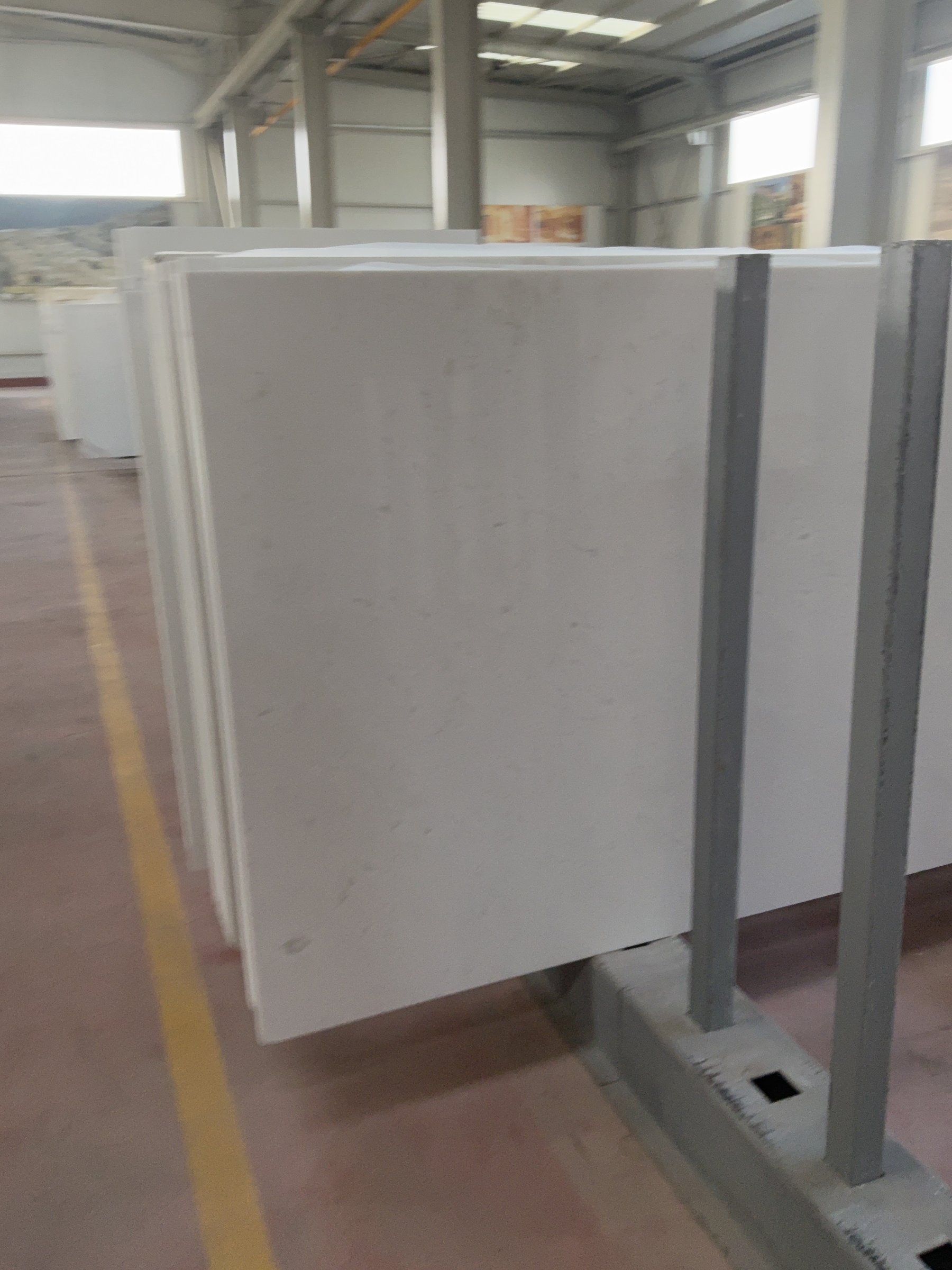
- Light stones: white marbles such as Thassos Snow White show any stain clearly, so protection is worth the small effort.
When to seal: the water drop test
You do not need to guess. Place a few drops of water on the surface in several spots, including busy areas, and wait.
- No darkening after 15 to 30 minutes: the stone is well protected for now.
- Darkening after a few minutes: the stone is absorbing and should be resealed soon.
- Darkening almost immediately: the stone is unsealed or the sealer has worn away; seal before use.
Repeat the test with a few drops of cooking oil on kitchen surfaces, because oil and water resistance can differ.
How often to reseal marble
There is no single answer, because it depends on the stone’s density, the quality of the sealer and how the surface is used. As a general guide:
| Surface | Typical approach |
|---|---|
| Kitchen counters | Test often; these usually need resealing most frequently |
| Bathroom vanities and showers | Test regularly, especially in hard-water areas |
| Living-area floors | Test every few months; reseal when the drop test fails |
| Interior wall cladding | Low wear; reseal far less often |
| Exterior cladding | Follow the sealer maker’s guidance for UV and weather exposure |
Always follow the instructions on the product you use; coverage and recoat times vary between brands.
How to apply a penetrating sealer
- Clean thoroughly with a pH-neutral cleaner and remove any existing stains first, because sealing over a stain locks it in.
- Let the stone dry fully. After washing, give it time; trapped moisture stops the sealer penetrating.
- Test a hidden area to check the sealer does not darken or change the finish.
- Apply evenly with a lint-free cloth, applicator pad or sprayer, working in manageable sections.
- Allow it to dwell for the time given on the label so it can soak in.
- Wipe off all excess before it dries on the surface; residue leaves a sticky, hazy film.
- Let it cure before heavy use or wet cleaning, again following the label.
For large areas, cladding or cut-to-size marble pieces, sealing is often best done before or during installation, when every edge is accessible.
Tell us where the marble will be used and we can suggest a sensible care plan. Explore our marble and stone services or contact us.
Frequently asked questions
Does sealed marble still etch?
Yes. Sealers slow down absorption, but acids react with the stone itself, so lemon, vinegar and similar liquids can still leave dull marks.
Can I seal marble myself?
Yes, penetrating sealers are designed for straightforward application. Clean, dry and test first, then remove all excess before it dries.
Does polished marble need sealing?
Highly polished marble is less absorbent than honed marble, but it can still stain. Use the water drop test rather than assuming.
Key topics: sealing marble · marble sealer · penetrating sealer · water drop test · stain protection · marble care