As a business grows, stock starts to spill out of the back office and into rented rooms, garages and corners of the shop. At that point many owners ask whether they should lease their own space or use a 3PL warehouse. Third-party logistics means handing some or all of your storage, handling and dispatch to a specialist. This guide explains the basics in plain terms for businesses in Pakistan.
What a 3PL provider actually does
A 3PL is not just a rented shed. Depending on the provider, services usually include:
- Receiving: unloading containers or trucks, counting goods and checking condition;
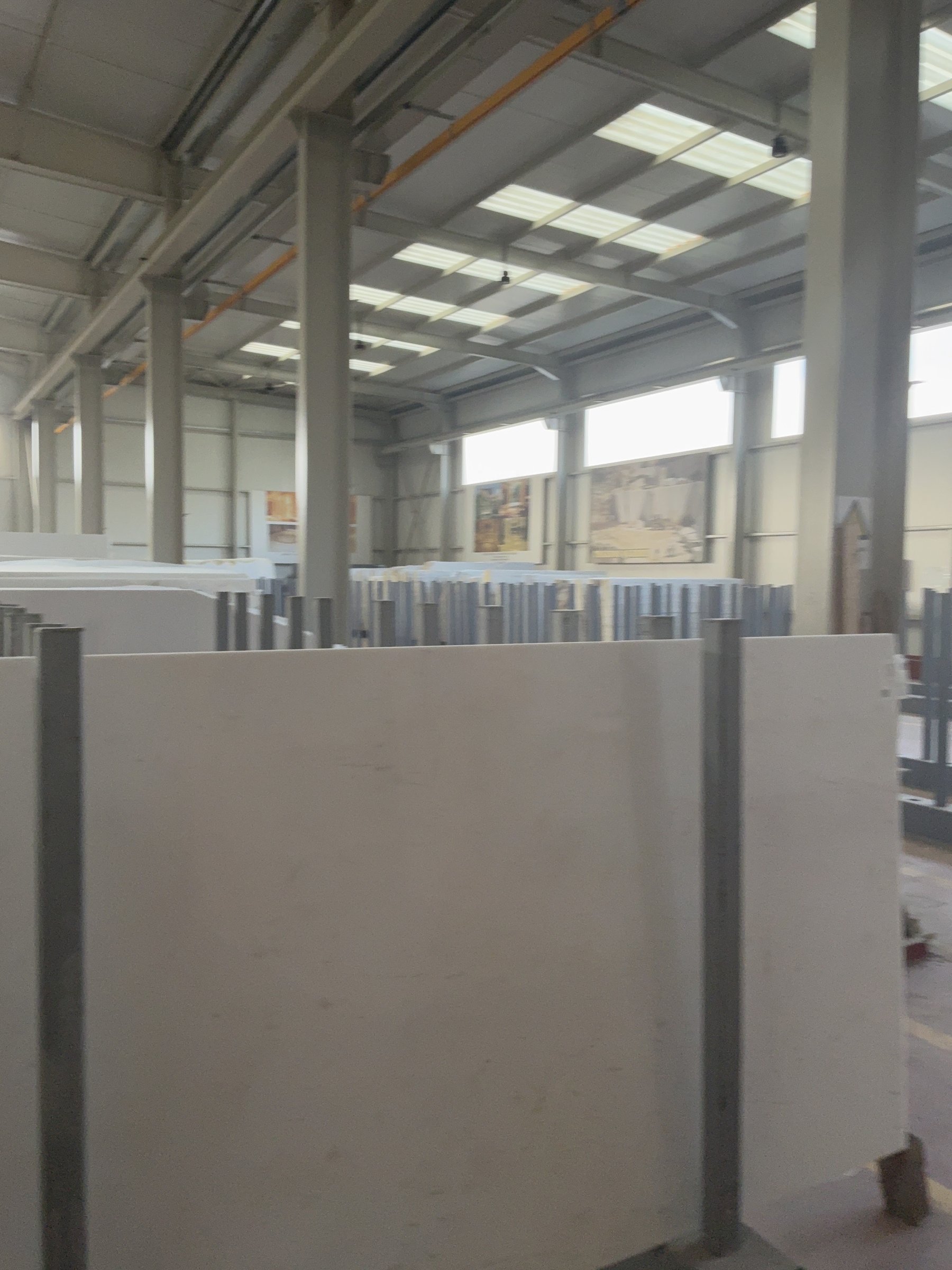
- Storage: racked, floor or yard storage, sometimes with security and climate control;
- Inventory management: recording stock by location, batch or serial number;
- Picking and packing: preparing orders for customers or sites;
- Dispatch: arranging local delivery or onward freight;
- Value-added work: labelling, kitting, repacking or returns handling.
When a 3PL warehouse makes sense
Outsourcing is not right for every business. It tends to suit you when:
- your stock levels rise and fall sharply, for example around imports or seasonal sales;
- you need space in a city where leasing and staffing your own facility would be costly;
- you import in containers and need somewhere to break them down quickly;
- you sell online and need reliable, fast order fulfilment;
- you would rather spend management time on sales than on running a warehouse.
Running your own warehouse can be better when volumes are steady and high, products need very specialised handling, or you need complete control over every step.
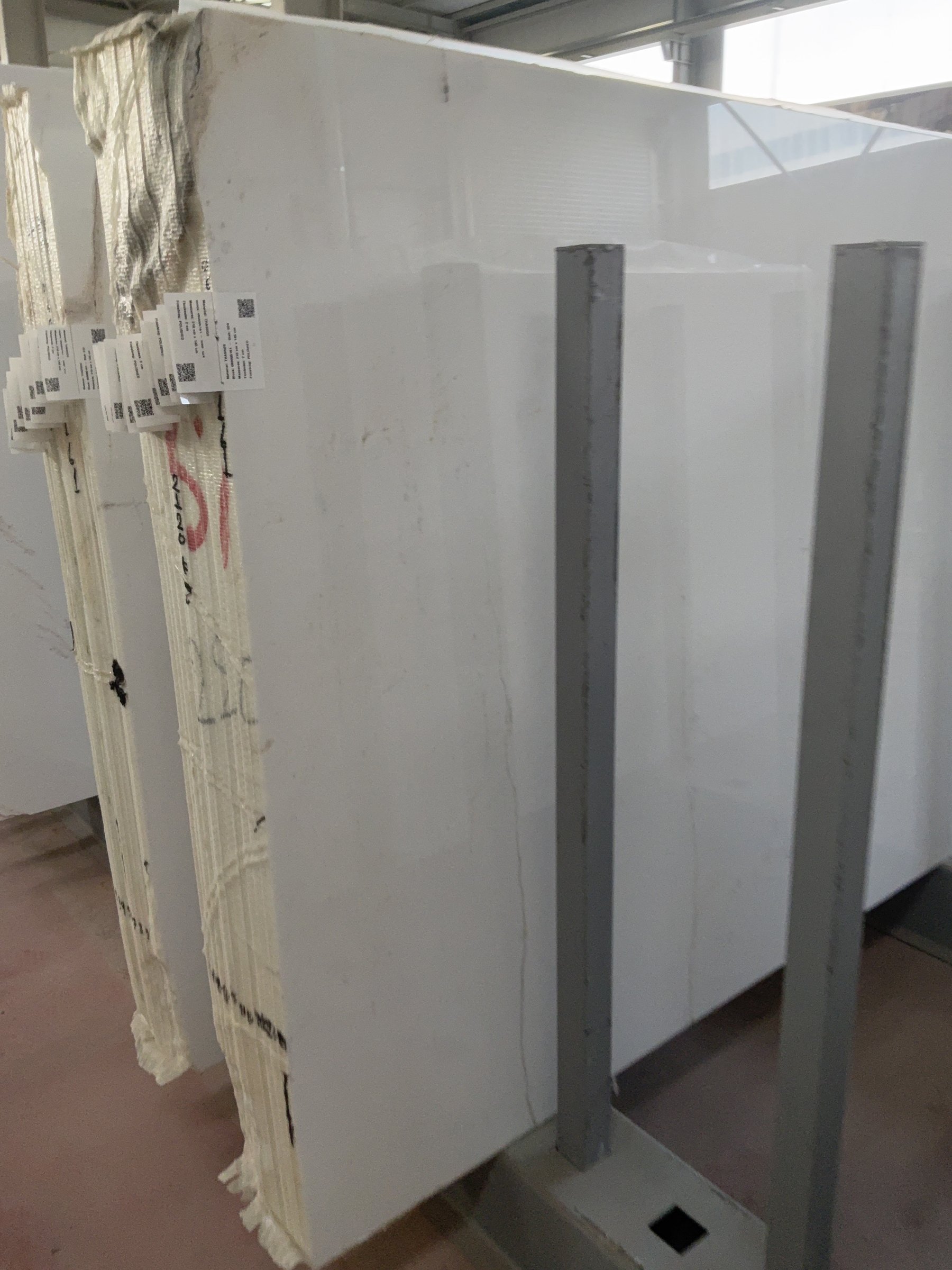
Heavy and bulky goods need the right site
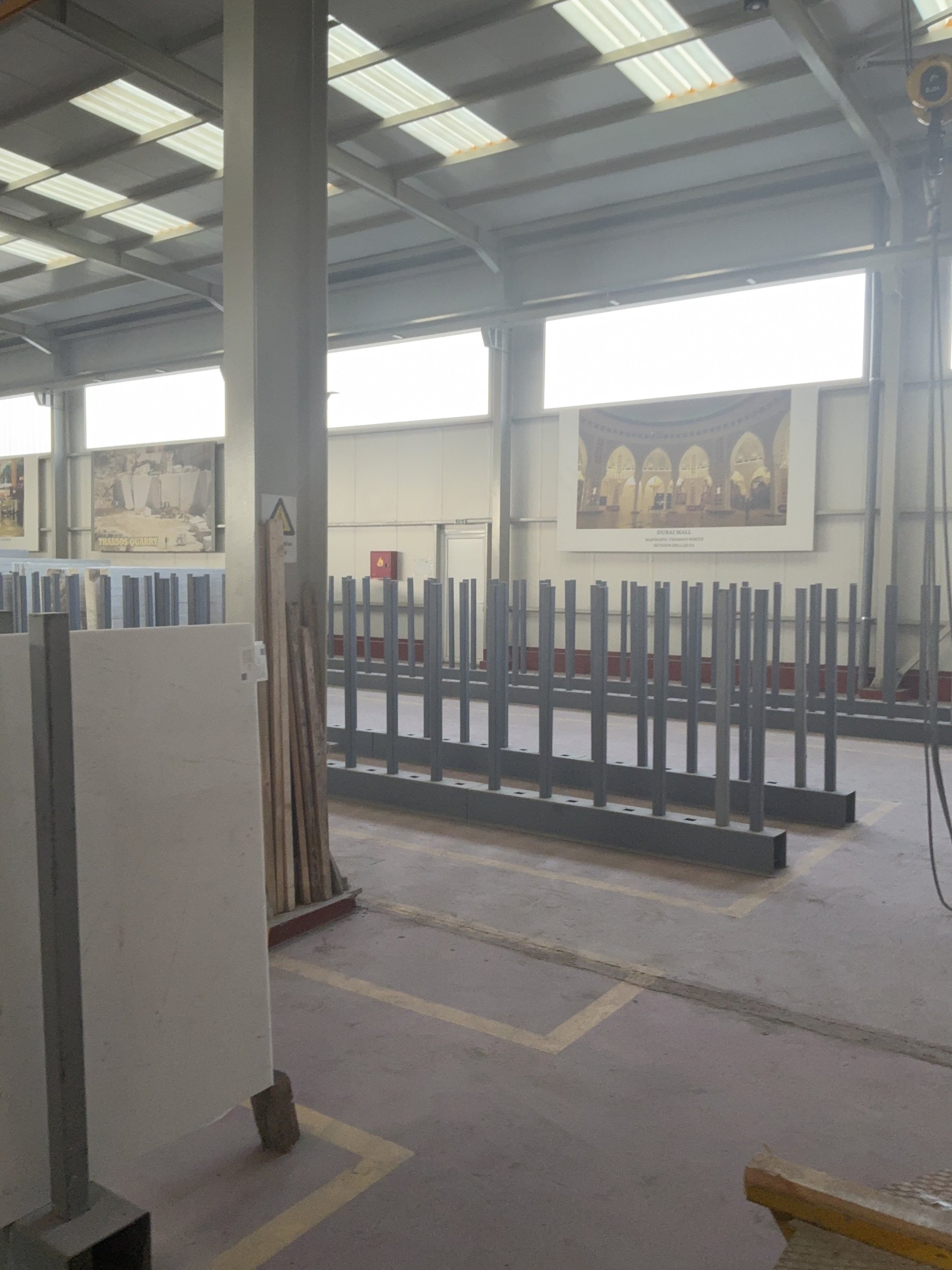
Not every warehouse can handle construction materials, stone or machinery. For heavy goods, check:
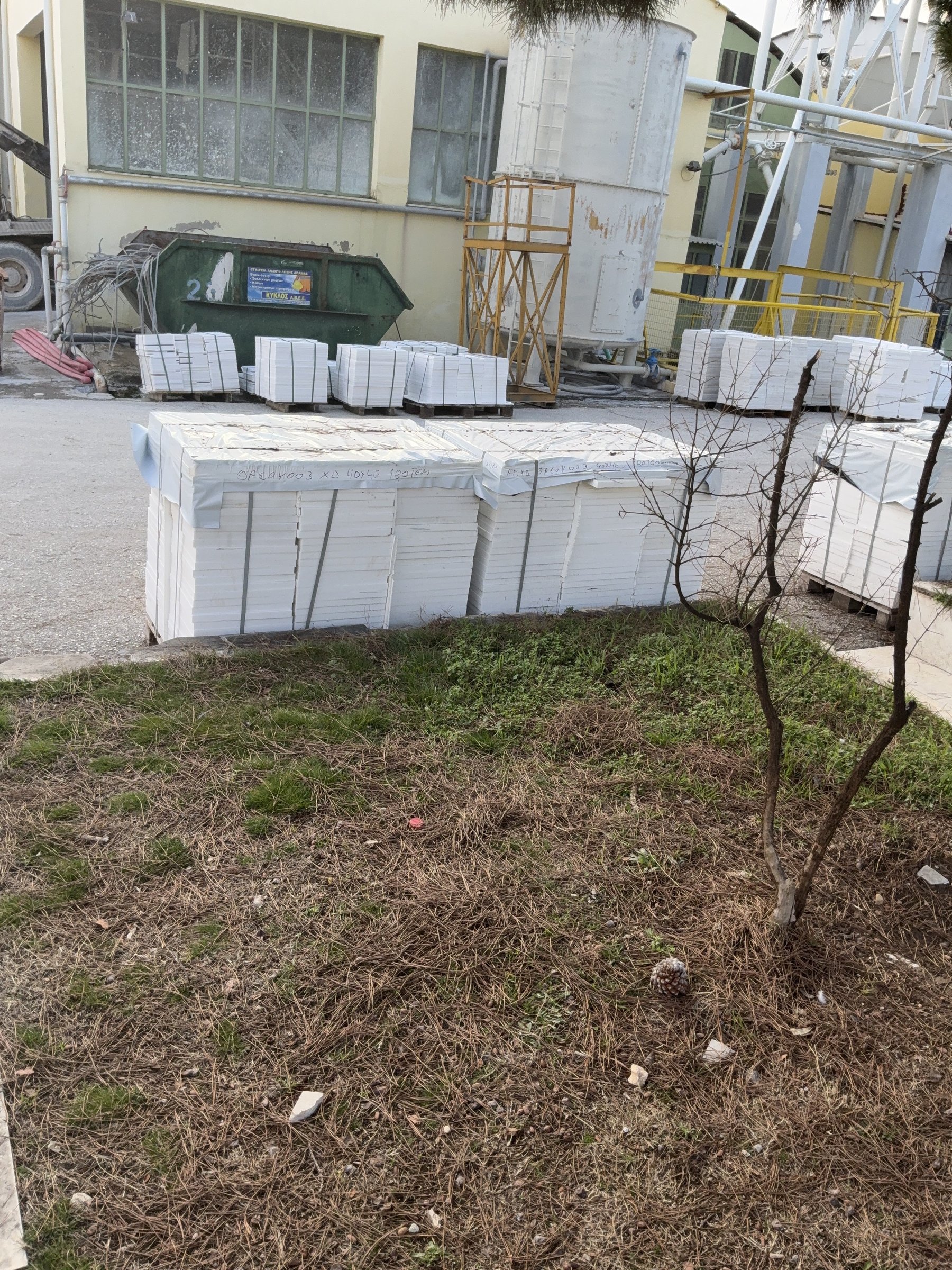
- floor loading capacity and hardstanding for yard storage;
- forklifts, cranes or gantries with suitable lifting capacity;
- access for containers and long trailers;
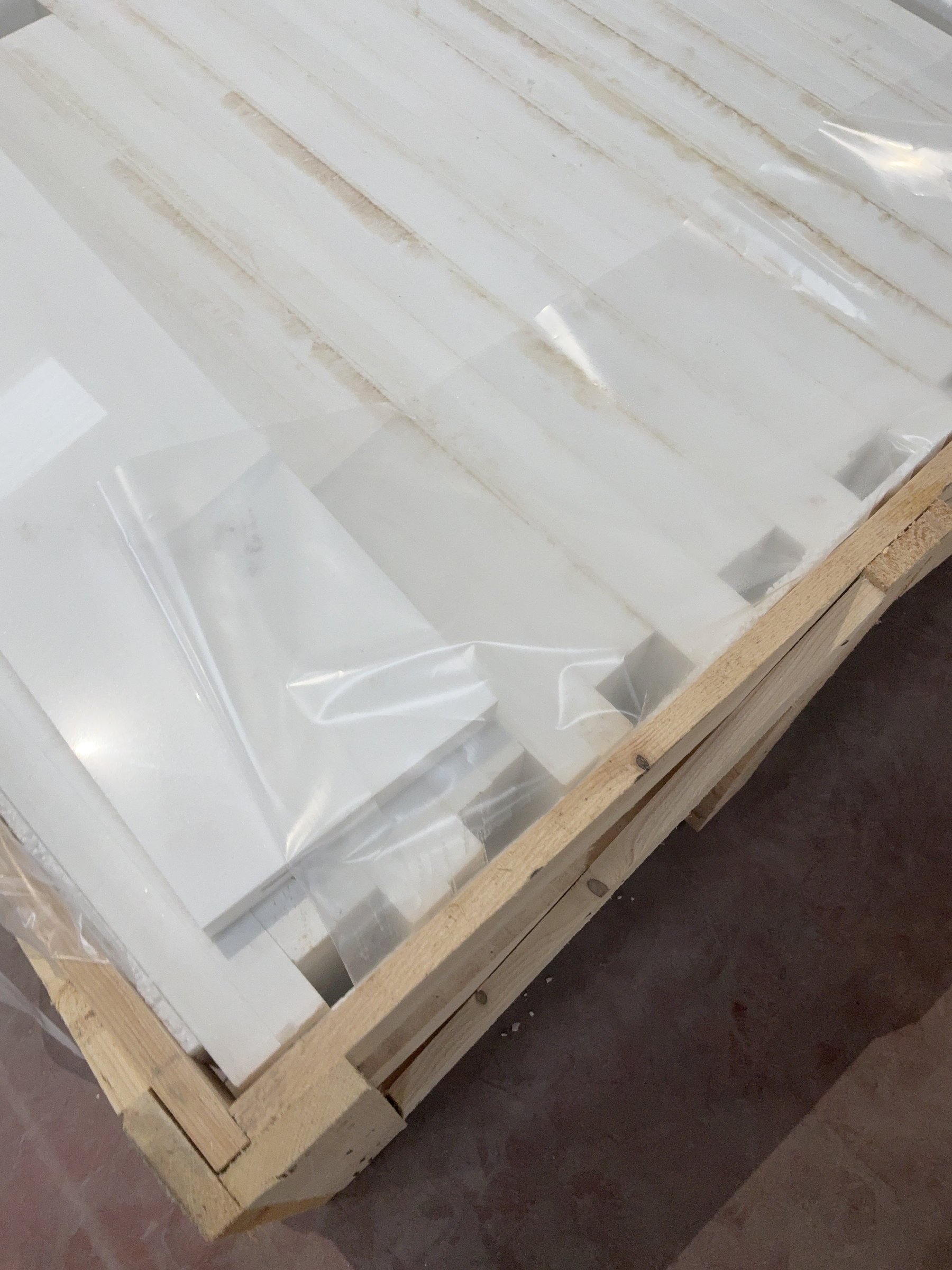
- covered storage for materials that stain or weather, such as light-coloured marble;
- staff experienced with fragile heavy items like marble slabs.
Questions to ask a provider
Before you sign, ask clear questions and get the answers in writing:
- How is stock recorded, and can I see live inventory?
- How are charges calculated: per pallet, per square metre, per movement or per order?
- What happens if goods are damaged or lost, and what insurance applies?
- What are the receiving and dispatch cut-off times?
- How is security handled, including access control and CCTV?
- What is the notice period if I want to leave?
Visit the site if you can. A clean, organised warehouse with clear location labels is usually a good sign.
Linking warehousing with imports
For importers, warehousing works best when it is planned alongside freight and clearance. A container released at the port needs somewhere to go; if the warehouse is not ready to receive it, detention and storage charges can mount. A single coordinator for customs clearance, transport and storage avoids gaps between handovers. Some goods may also be eligible for bonded storage, where duties are deferred under specific conditions; rules on this change, so take professional advice.
Getting started
A practical way to begin is to:
- list your products with sizes, weights and handling needs;
- estimate average and peak stock levels and monthly order volumes;
- decide which services you need now and which you might need later;
- compare two or three providers on service, location and contract terms, not price alone;
- start with a trial period if possible.
Our 3PL warehouse service works with our freight services so goods move from port to store to customer. Contact us or email info@prosvogue.com.
Frequently asked questions
Is a 3PL only for e-commerce businesses?
No. Online sellers use 3PLs widely, but so do importers, distributors, contractors and manufacturers who need storage, handling or dispatch without running their own facility.
Will I lose control of my stock?
A good provider gives you regular stock reports or system access, so you can see quantities and movements. Agree the reporting method before you sign.
Can a 3PL store construction materials?
Some can, if they have suitable yard space, floor strength and lifting equipment. Check these points specifically for heavy or fragile materials.
Key topics: 3PL warehouse · warehousing · third-party logistics · inventory · fulfilment · Pakistan logistics