
Whatever you import, three papers sit at the centre of the shipment: the commercial invoice, the packing list and the bill of lading. Together these core import documents tell customs, the shipping line, your bank and your clearing agent what the goods are, how they are packed, what they are worth and who is entitled to collect them. When they are accurate and consistent, clearance tends to be straightforward. When they disagree, delays follow. This is general guidance; specific requirements can change, so confirm them for your goods.
The commercial invoice
The commercial invoice is the seller’s bill to the buyer and the main basis for customs valuation. A good invoice normally includes:
- seller and buyer names and full addresses;
- invoice number and date;
- a clear, specific description of each item, with quantity and unit;
- unit price and total value, with currency;
- the Incoterm and named place, for example CFR or FOB plus a port;
- country of origin of the goods;
- payment terms, where relevant.
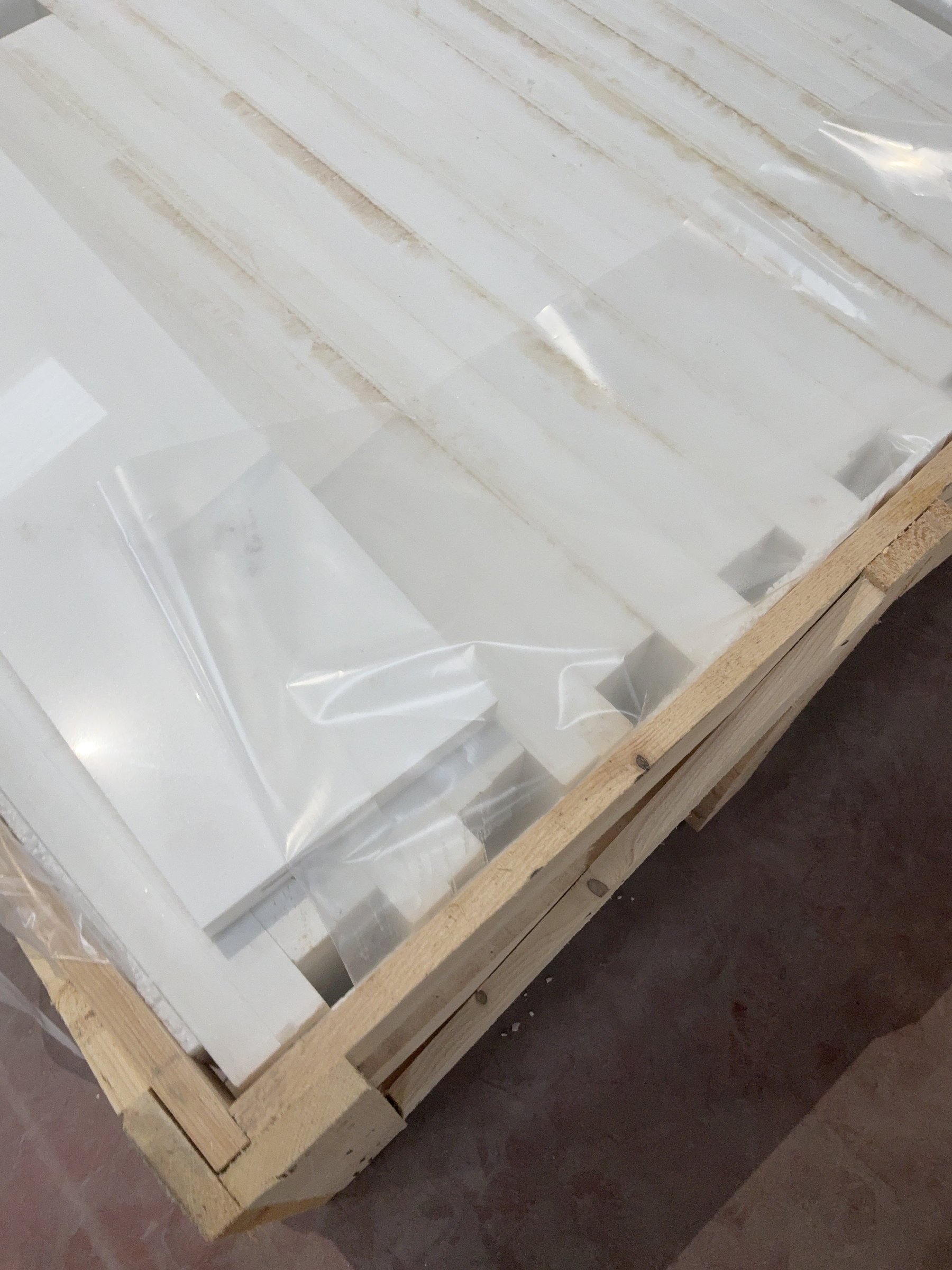
Avoid generic descriptions. “Natural marble slabs, polished, 2 cm” is far more useful than “stone”. A precise description helps your clearing agent classify the goods correctly.
The packing list
The packing list describes how the goods are physically packed. Customs uses it to plan and carry out examinations, and you use it to check the delivery. It should show:
- each package, crate or bundle number;
- contents of each package, with quantities;
- net and gross weights, and dimensions or volume;
- total number of packages and total weight;
- marks and numbers matching the labels on the cargo.
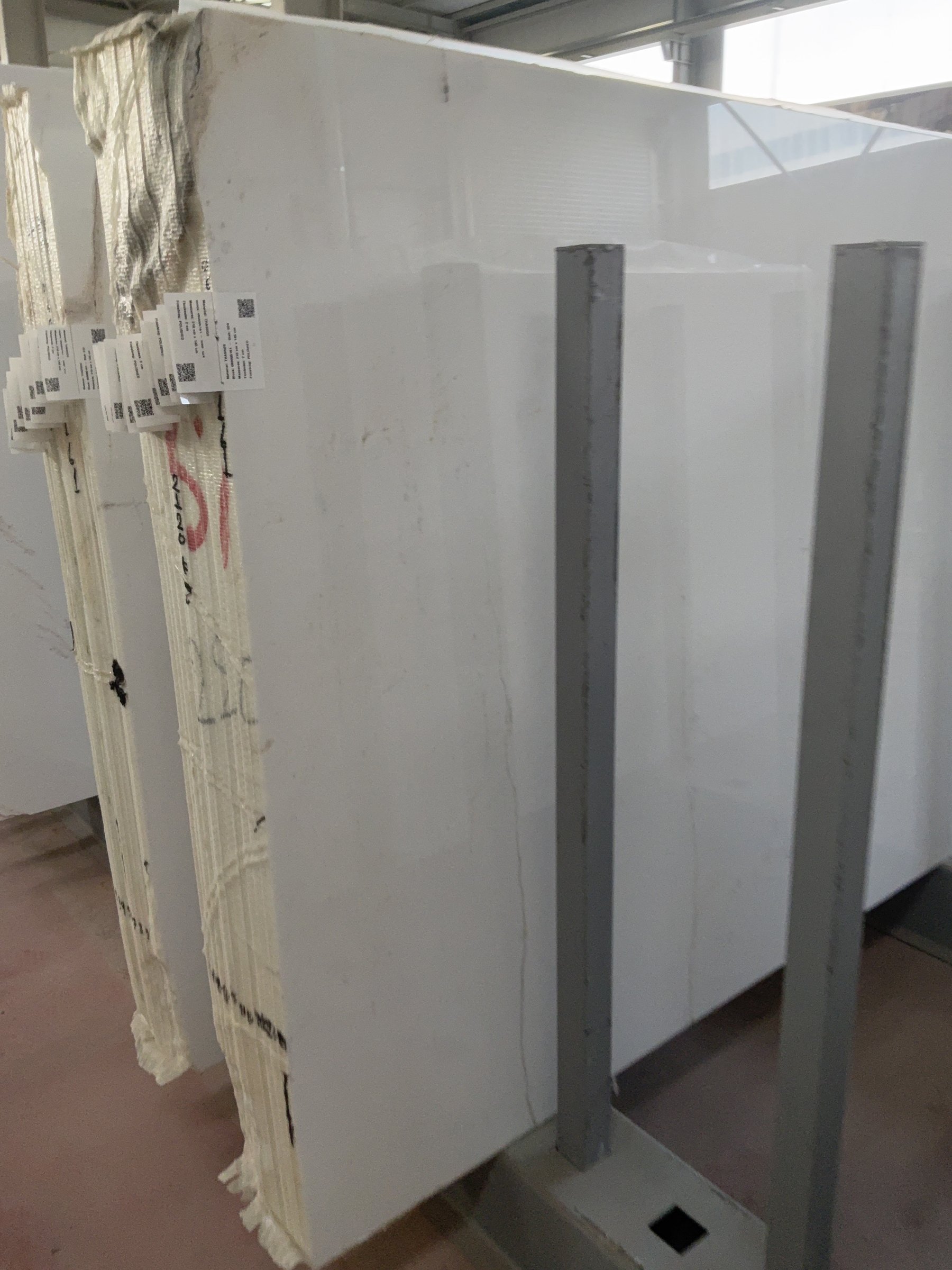
For stone, slab-by-slab details are useful. For marble slabs, listing block and slab numbers helps keep matching pieces together on site.
The bill of lading
The bill of lading (B/L) is issued by the carrier or its agent. It does three jobs:
- it is a receipt showing the carrier has received the goods;
- it is evidence of the contract of carriage;
- in its negotiable form, it is a document of title, meaning whoever properly holds it can claim the goods.
Key fields include shipper, consignee, notify party, vessel and voyage, ports of loading and discharge, container and seal numbers, package count, weight and description. Bills may be “original” paper documents, telex released or issued as sea waybills; each works differently, so agree the type with your supplier and bank in advance. For air shipments the equivalent document is the air waybill.
Why the core import documents must agree
Customs, the terminal and the bank all compare documents. Common problems include:
- package counts that differ between the invoice, packing list and B/L;
- weights that do not match the weighbridge or declared figures;
- consignee names that differ from the importer’s registered name;
- descriptions that are vague on one document and specific on another;
- container or seal numbers with typing errors.
Any of these can lead to queries, amendments or examinations. The simplest fix is to ask your supplier for draft copies of all three before shipment and check them side by side.
Other documents you may need
Depending on the goods and the route, the core set is often supported by:
- a certificate of origin, which may matter for trade agreements;
- an insurance certificate, especially on CIF shipments;
- a fumigation or ISPM 15 certificate for wood packaging;
- test reports, conformity certificates or regulatory approvals for certain products;
- import permits or registrations where required.
Requirements differ by product and change over time. Your clearing agent should confirm what applies before the goods are shipped.
A simple document checklist
- Receive drafts of the invoice, packing list and B/L before shipment.
- Check names, addresses, descriptions, quantities and weights match.
- Confirm the Incoterm and named place are stated correctly.
- Confirm the B/L type and how it will be released.
- Send the full set to your clearing agent as early as possible.
Our customs clearance and import and export teams review paperwork so problems are caught early. Contact us or email info@prosvogue.com.
Frequently asked questions
Can I use a proforma invoice for clearance?
A proforma invoice is a quotation or advance invoice. Clearance is normally based on the final commercial invoice, though practice can vary. Check current requirements with your clearing agent.
What is a telex release?
It is when the original bills of lading are surrendered at origin and the carrier releases the goods at destination without the paper originals being presented there. It can speed things up, but should be agreed with your supplier.
Who prepares the packing list?
Usually the seller or shipper, since they pack the goods. The buyer should still check it carefully against the invoice and the cargo.
Key topics: core import documents · commercial invoice · packing list · bill of lading · shipping documents · customs clearance