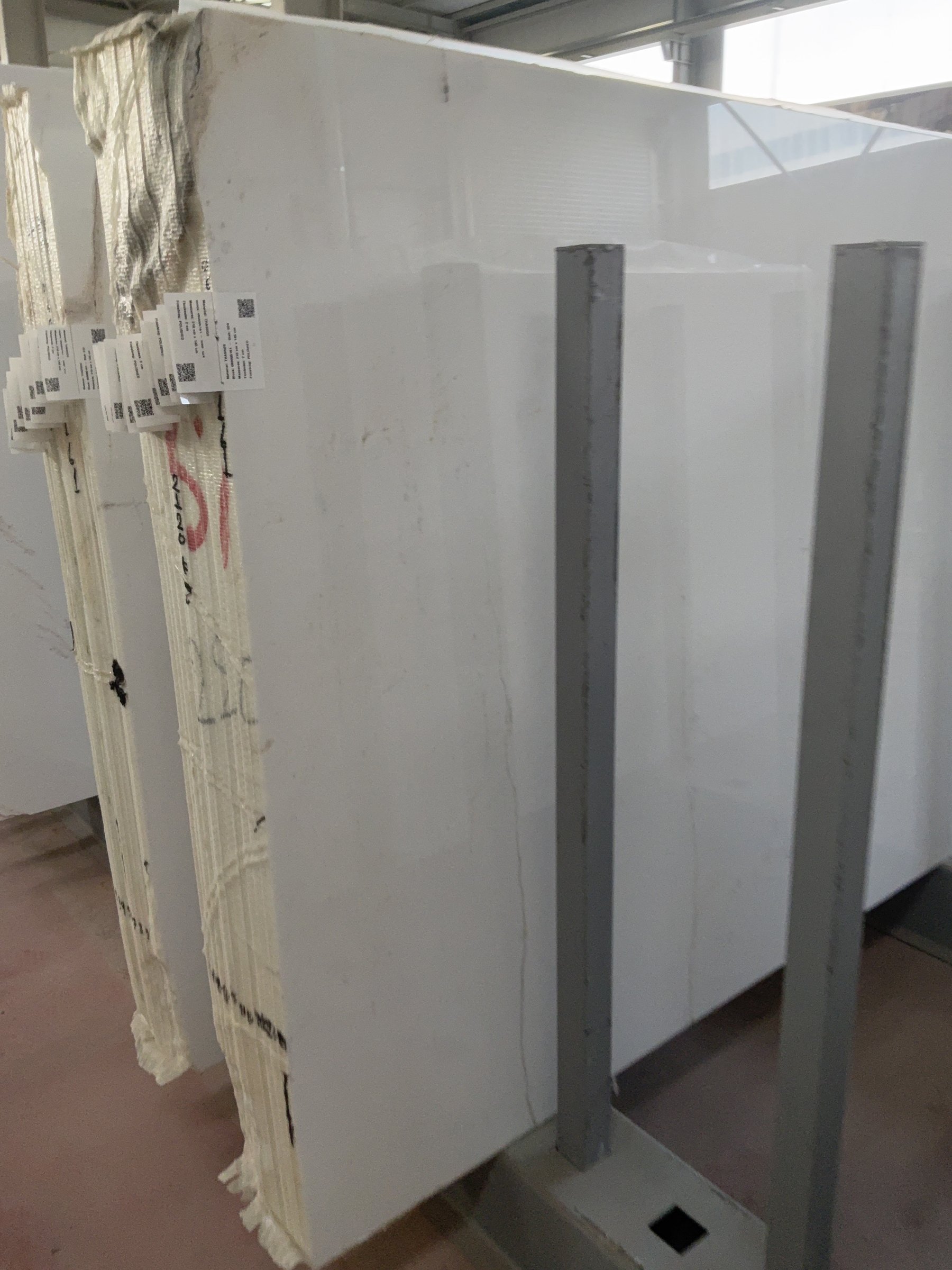
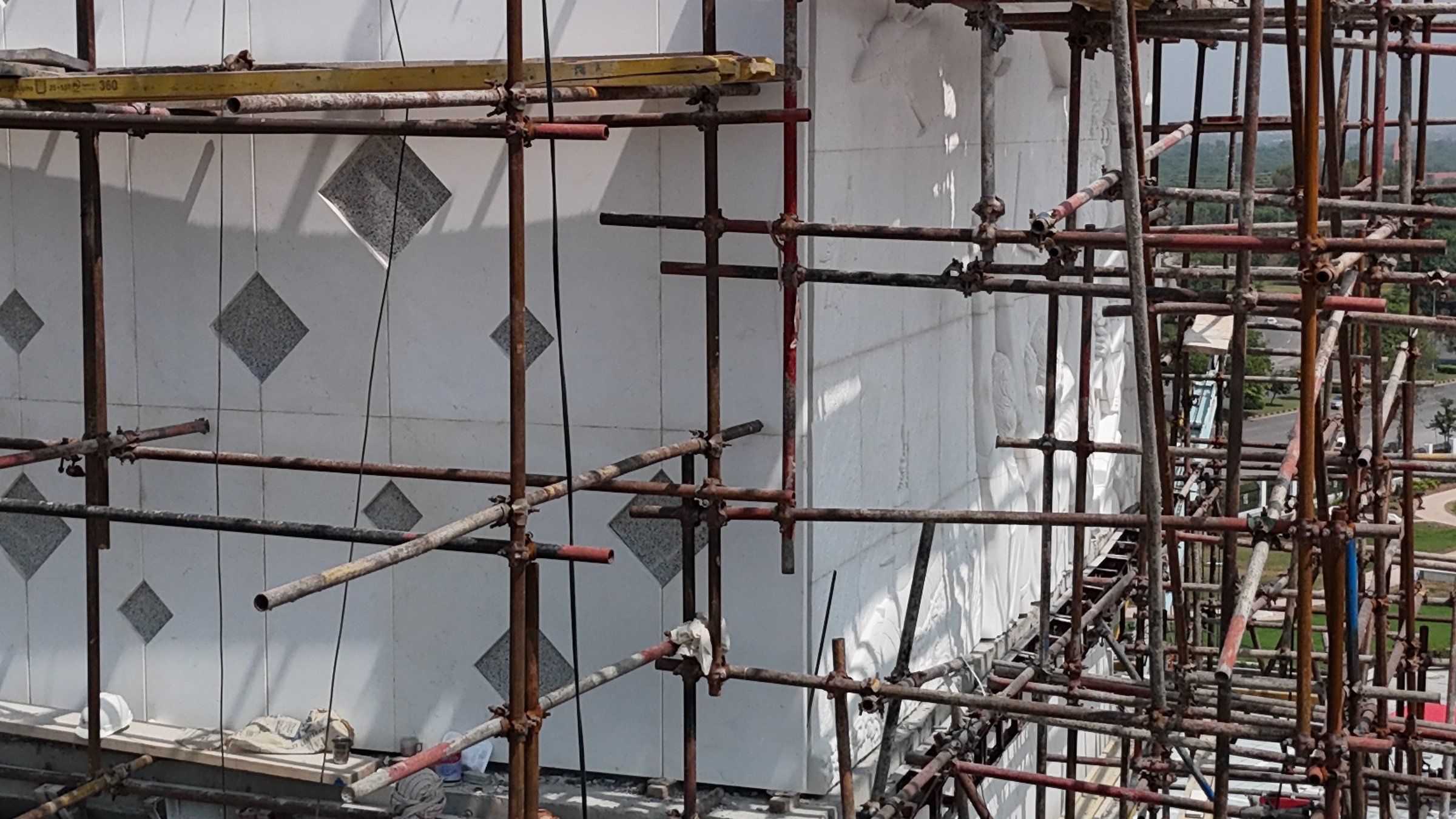
The Yadgar-e-Fatah monument in Islamabad, formerly known as Marka-e-Haq, is clad in Thassos White marble. Getting that stone to site meant moving marble from Greece to the capital in a steady flow while construction continued. This article outlines the general stages of that logistics chain. It does not cover every operational detail; instead it explains the steps any long-distance stone import of this kind involves, and why each one mattered on a national project.
The project and its timeline
The client for Yadgar-e-Fatah was FWO (Frontier Works Organisation). Construction ran from 1 October 2025 to 14 August 2026. The marble import began in January and was completed on 12 August 2026, while installation of the cladding began on 10 June 2026. In other words, stone was still arriving after installation had started, so the supply chain had to keep pace with work on site rather than deliver everything at once.
That overlap shaped the whole approach. Each link in the chain, from crating to the final truck, had to be dependable, because a delay anywhere could hold up installation teams. You can read more about the monument itself in our Yadgar-e-Fatah flagship post.
Stage 1: crating at origin
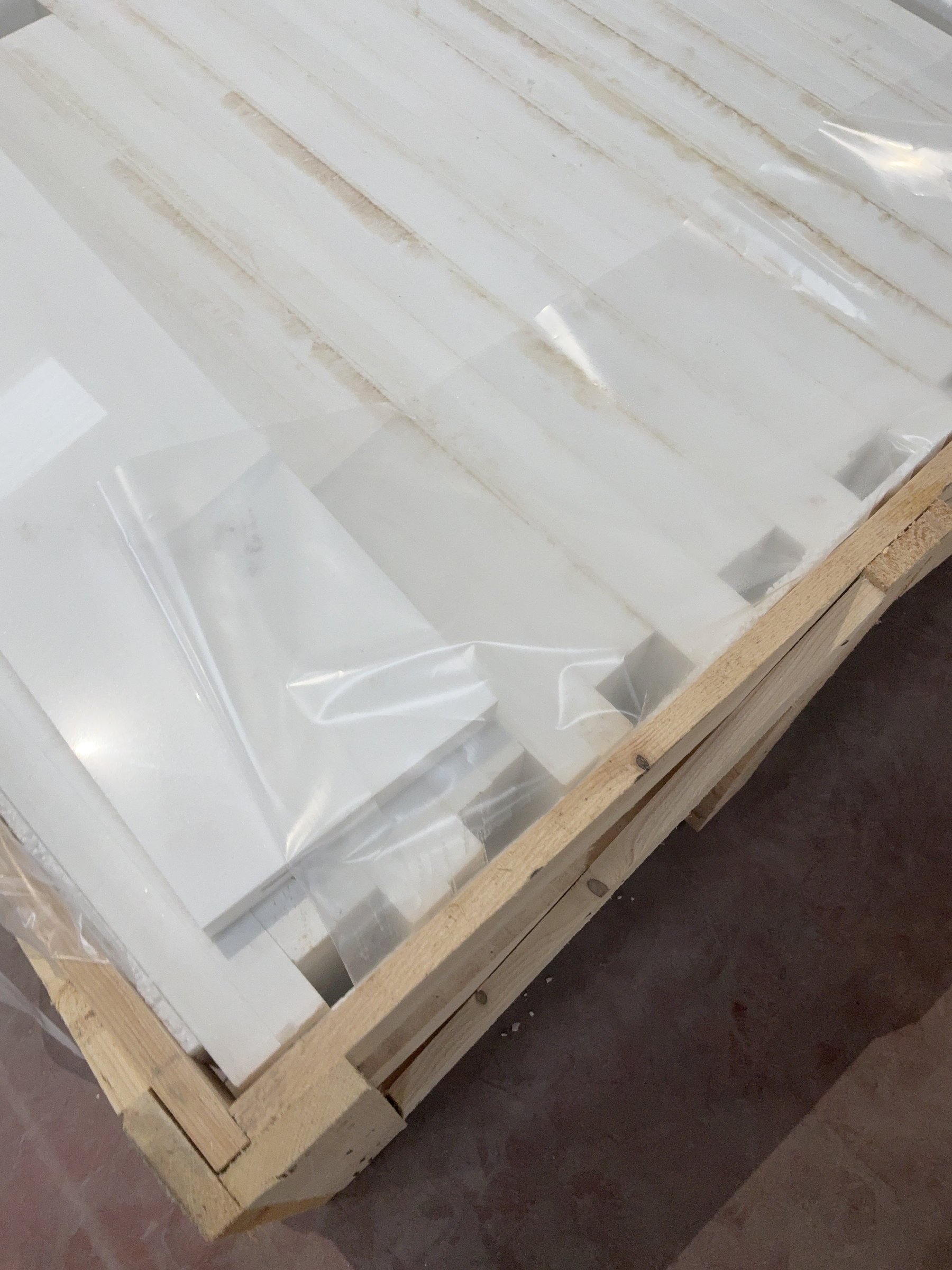
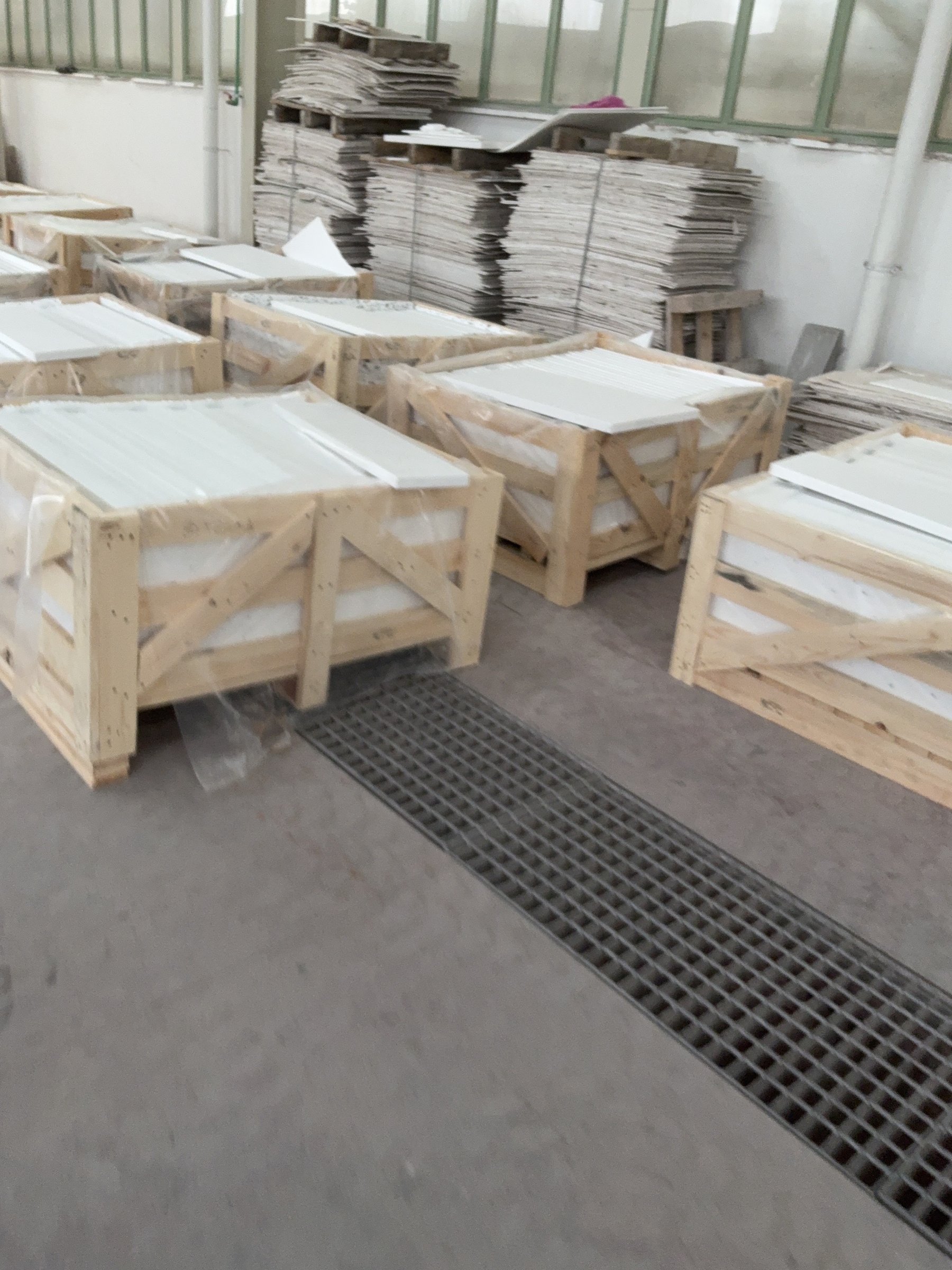
The journey starts with packing. For 3 cm polished slabs and cut pieces, good crating means:
- stone stood on edge or properly supported, never left to bend;
- protection between polished faces to prevent scratching;
- treated timber, so packaging meets international requirements and does not stain light marble;
- clear crate numbers and labels matching the packing list.
With a white marble such as Thassos, cleanliness matters as much as strength. Wet or dirty packing materials can mark the surface, and marks on a pure white stone are hard to hide.
Stages 2 and 3: port handling and sea freight
Loading at the port of origin
Crates are then moved to the port of loading and packed into containers. Stone is dense, so containers reach their weight limit long before they are visually full. Weight has to be spread across the floor and crates braced so nothing can shift at sea. Loading records and photographs give a reference point if any question about condition arises later.
Sea freight
For a quantity of stone like this, sea freight is the practical mode. It handles heavy cargo at a sensible cost and, in full containers, keeps fragile crates away from other cargo. The trade-off is time, which is why ordering and shipping had to be planned well ahead of installation dates. Our worldwide sea freight page explains the general options for heavy goods.
Stage 4: customs clearance in Pakistan
On arrival, each consignment had to be cleared before it could move inland. Clearance depends on accurate, consistent documents: the commercial invoice, packing list and bill of lading must agree with one another and with the cargo. Inspections are a normal part of the process, so crates labelled to match the packing list make examination easier. As with any import, procedures and charges change over time, and this is not a guide to current rules.
Moving marble from Greece to the site: stage 5, road transport
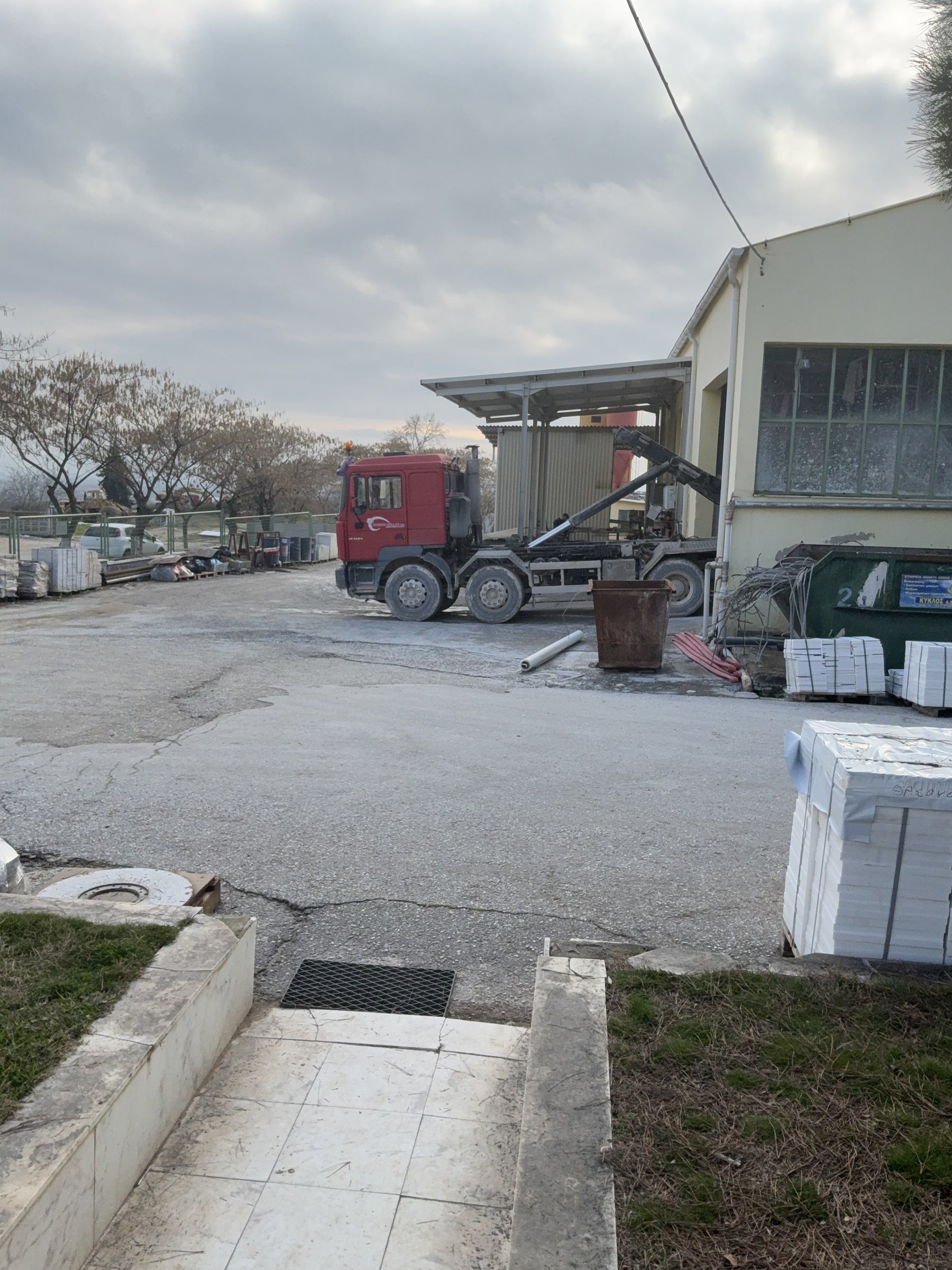
The final leg is road transport to Islamabad and on to site. This stretch is where heavy stone is most exposed to rough handling, so it needs:
- suitable trucks and secure lashing;
- lifting equipment on arrival that can handle crates safely;
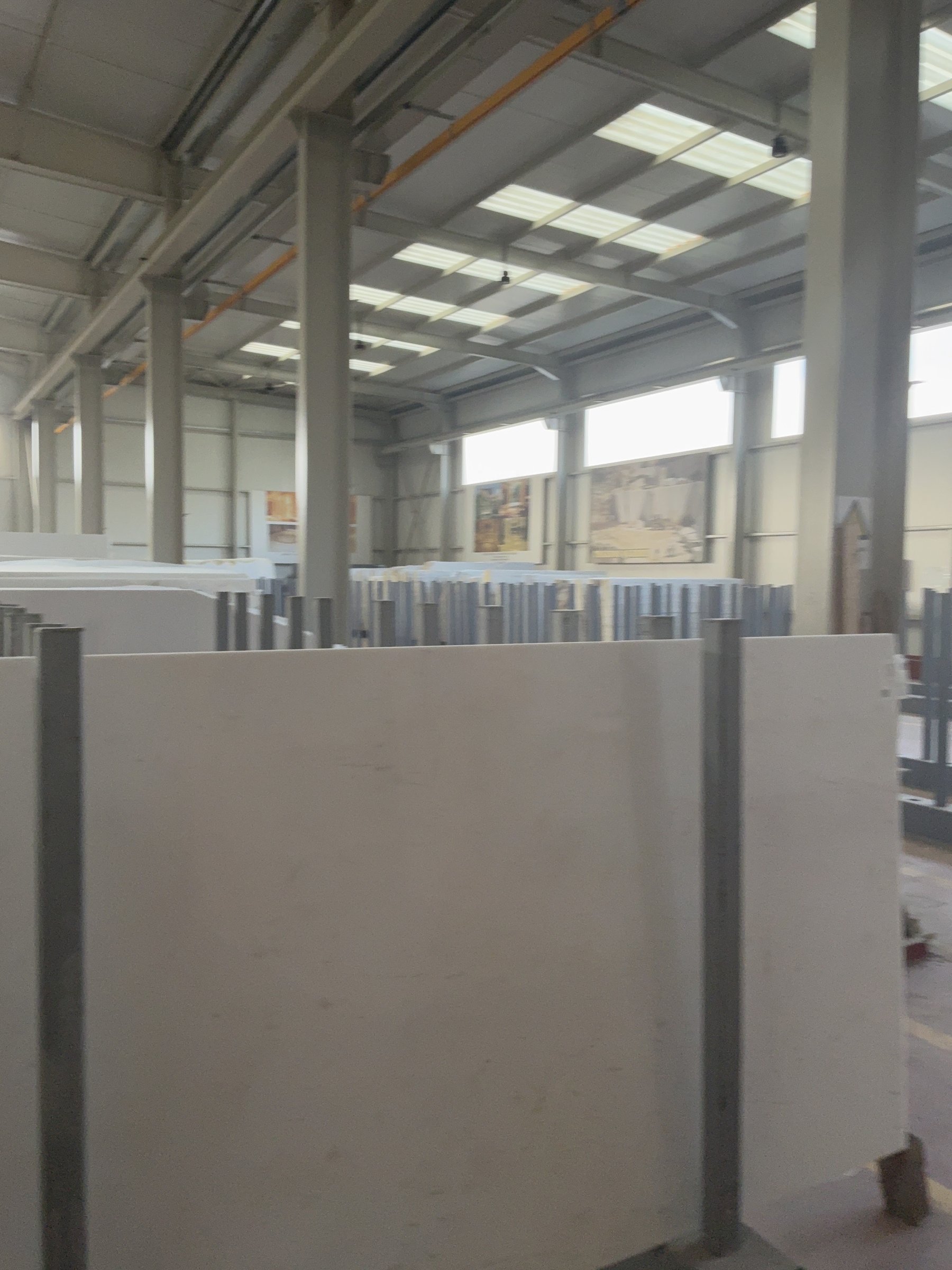
- a level, covered area for storage on or near site;
- inspection of each crate on receipt, with any damage recorded at once.
Our marble transport service covers this kind of heavy, careful delivery.
What the chain teaches about large stone imports
- Plan backwards from installation. Start with the date stone is needed on the wall and work back through every stage.
- Keep paperwork consistent. Matching documents and labels reduce questions at clearance.
- Protect the finish. On white marble, packing quality is visible in the final result.
- Coordinate every handover. Port, freight, clearance and transport work best when someone owns the whole chain.
Prosvogue supplies Thassos White marble and coordinates freight, clearance and delivery. Contact us or email info@prosvogue.com.
Frequently asked questions
How much marble was imported for Yadgar-e-Fatah?
About 40,000 sq ft of 3 cm Thassos White marble was imported from Greece for the monument.
When did the marble import take place?
The import started in January and was completed on 12 August 2026. Installation of the cladding began on 10 June 2026, so deliveries and installation overlapped.
Can Prosvogue handle similar imports for other projects?
Yes. We supply natural stone and coordinate freight, customs clearance and road transport for projects across Pakistan. Get in touch to discuss your requirements.
Key topics: marble from Greece · Yadgar-e-Fatah · Thassos White · marble logistics · sea freight · Islamabad